

Maddy summaryHouse Bill 4256 proposes to amend Michigan's criminal procedure code by revising sentencing guidelines for specific drug offenses. Specifically, it targets individuals convicted of delivering, manufacturing, or possessing with intent to deliver certain controlled substances. The bill modifies section 13m of Chapter XVII of the Code of Criminal Procedure (MCL 777.13m), which dictates these sentencing guidelines. This change would directly affect how courts sentence individuals for these particular drug-related crimes. This bill is tied to HB 4255.
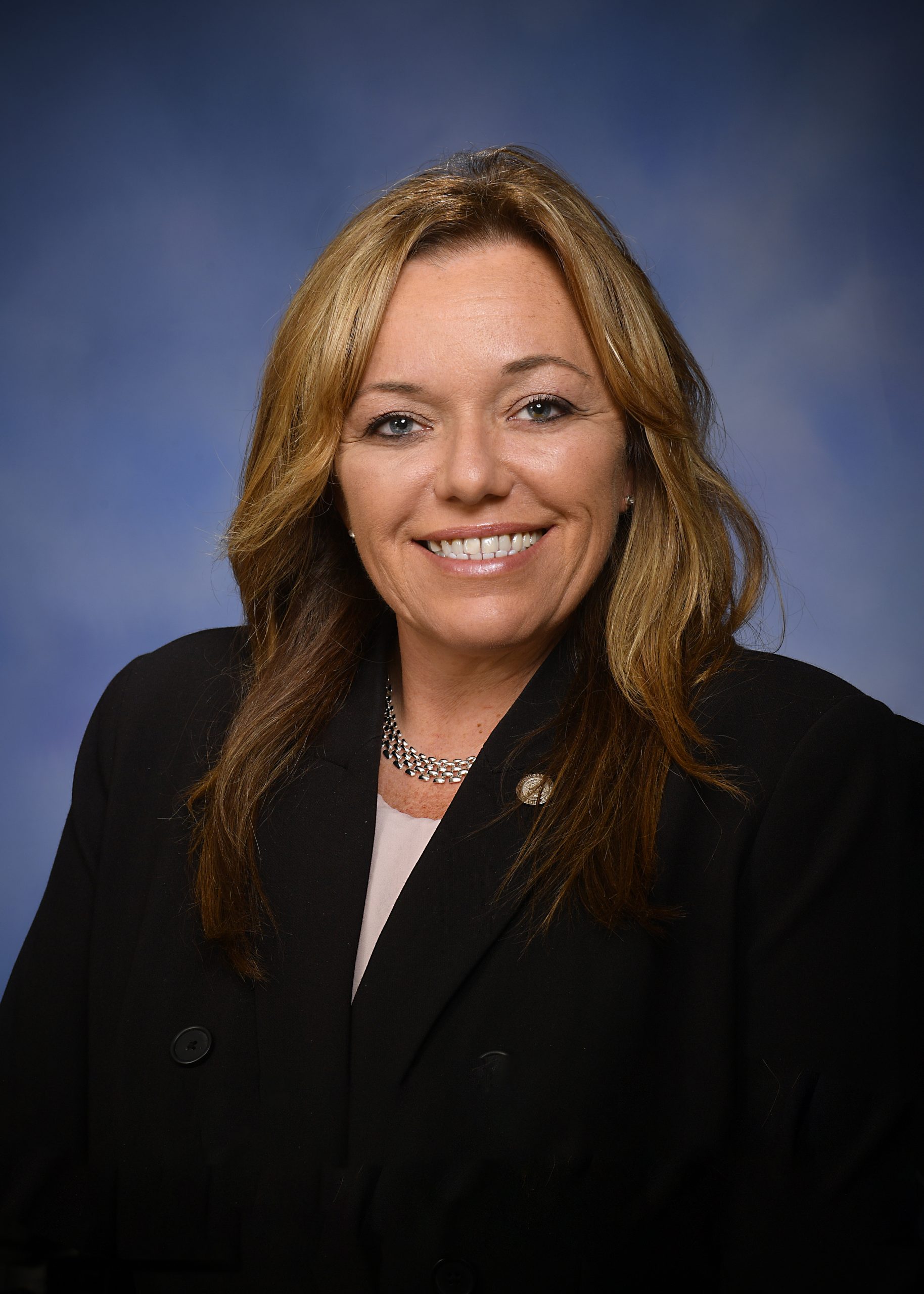
Rep. Jamie Thompson
Sponsored bills
Maddy summaryHouse Resolution 70 declares April 2025 as Gold Star Spouses Month in the state of Michigan. This resolution officially recognizes and honors the surviving husbands and wives of U.S. Armed Forces members who lost their lives in service to the nation.
Maddy summaryHouse Bill 4366 proposes to amend Michigan's Code of Criminal Procedure. Specifically, it modifies section 13c of chapter XVII (MCL 777.13c), which outlines sentencing guidelines. The bill aims to adjust the sentencing guidelines for certain offenses related to excess discharges into the waters of the state. This change would directly affect individuals or entities convicted of such environmental violations, impacting how their sentences are determined by the courts.
Maddy summaryHouse Bill 4377 proposes changes to the Michigan Reconnect Grant and the Reconnect Short-Term Training Program. It would allow the minimum age requirement for both programs to be reduced from 25 to 21 years old, specifically for individuals seeking associate degrees, industry-recognized certificates, or qualified occupational training. This age reduction is contingent on the appropriation of sufficient funds and would not apply after September 30, 2032. The bill is tie-barred with HB 4378, meaning both must be enacted for these changes to take effect.
Maddy summaryHouse Bill 4378 proposes to amend the Michigan Reconnect Grant Act, which provides last-dollar financial assistance for higher education. The bill modifies the eligibility requirements for the Michigan Reconnect program. Specifically, it lowers the minimum age for participants to receive this financial aid from 25 to 21 years old. This change would expand access to associate degrees or industry-recognized certificates for a broader range of adult learners in Michigan.
Maddy summaryHouse Bill 4365 amends Michigan's Natural Resources and Environmental Protection Act concerning discharges of untreated or partially treated sewage. It expands the list of parties that sewer system operators must notify immediately (within 24 hours) after a discharge begins, including additional county officials and local newspapers in potentially affected counties. The bill also clarifies requirements for testing affected waters for E. coli to assess public health risks. Violations of these updated notification and testing requirements are subject to existing civil fines ranging from $2,500 to $25,000 per day.
Maddy summaryHouse Bill 4368 amends Michigan's Public Health Code regarding the reporting of infant deaths. It expands existing provisions to include the death of an infant who was born alive after an attempted abortion and then surrendered to an emergency service provider or a newborn safety device under the safe delivery of newborns law. For such cases, the bill mandates that the deceased infant be listed as "Baby Doe" and prohibits reporting any information that would directly identify the infant or their parents, such as names or addresses. It also reinforces the timelines for funeral directors and physicians to certify and file death records.
Maddy summaryHB 4158 modifies Michigan's revised school code concerning student assessments in public school academies. The bill expands the types of standardized tests that these academies can use to measure pupil progress. Specifically, it allows public school academies participating in a pilot program under section 104d of the state school aid act to utilize a state-administered assessment system as an alternative to the Michigan Student Test of Educational Progress (M-STEP) or Michigan Merit Examination. This provides flexibility in assessment methods for eligible public school academies and their students.
Maddy summaryHB 4159 requires Michigan public school districts to provide a core academic curriculum aligned with state-developed standards for all students. It specifically mandates that history standards for grades 8-12 include learning objectives on genocide (including the Holocaust and Armenian Genocide), and that reading/writing standards for K-6 must use evidence-based "science of reading" methods focusing on phonics, decoding, and structured literacy. The bill also prohibits curriculum content that includes non-essential values or beliefs, and requires assessments to measure academic skills - not student attitudes. School districts must fully adopt these K-6 standards by the 2026-2027 school year.
Maddy summaryHB 4157 creates a pilot program for a state-administered assessment system in Michigan public schools, replacing the current M-STEP testing. It requires item analysis for all tests (showing which questions students answered correctly and common mistakes) and mandates that districts use only student enrollment data from the time of testing when calculating school performance scores. The bill allocates $500,000 for an online tool to provide secure, immediate access to student-level assessment data for educators and parents. This bill directly affects public school districts receiving state aid and their students in grades 11-12, as it modifies assessment requirements under the State School Aid Act.