

Maddy summaryThis bill proposes a constitutional amendment requiring immediate removal from office for any elected public officer convicted of a felony during their term. It would amend Michigan's state constitution to automatically vacate the position upon a felony conviction, bypassing current processes that may allow officers to remain in office pending appeals. The change directly affects elected officials like state legislators, mayors, and county commissioners who face felony convictions while serving. The amendment must be approved by voters at the next general election to take effect.
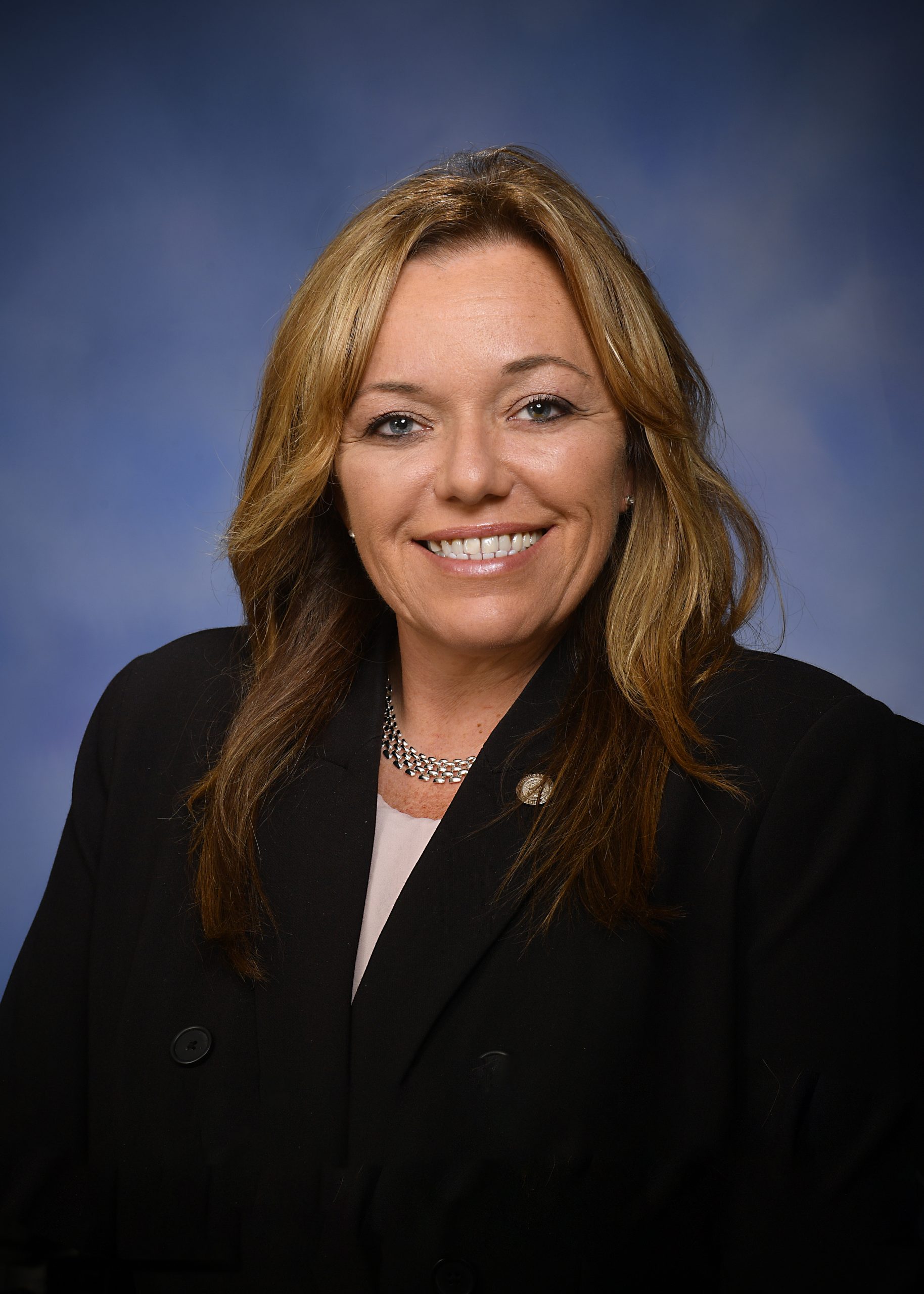
Rep. Jamie Thompson
Sponsored bills
Maddy summaryHB 4780 designates the second Saturday of September each year as "Michigan's Day of Recovery" to recognize Michiganders living with substance use disorders and the recovery community organizations that support them. The bill acknowledges that approximately 638,000 residents face substance use challenges, with only about 127,600 receiving treatment, while recovery organizations - providing long-term support - remain significantly underfunded. This legislation creates a formal state observance date but does not include new funding or policy changes for treatment programs. It is currently pending in the House Committee on Government Operations after being introduced on August 20, 2025.
Maddy summaryThis resolution (HR 156) declares August 2025 as "Water Quality Month" in Michigan. It does not create new laws or policies but symbolically recognizes the importance of Michigan's water resources, including the Great Lakes, to the state's identity, economy, and environment. The resolution encourages public awareness and community efforts to protect water quality, without imposing any requirements or funding changes. It directly affects all Michiganders by designating a month for statewide recognition of water stewardship.
Maddy summaryHB 4789 expands Michigan's "Right to Try Act" to specifically cover personalized experimental treatments based on a patient's genetic data (like gene therapies or custom vaccines). It allows eligible patients with advanced, life-threatening, or severely debilitating illnesses - who have exhausted all FDA-approved treatments - to access these individualized treatments after obtaining written consent from their physician and providing detailed risk disclosures. The bill clarifies that manufacturers aren't required to provide such treatments but may charge for production costs, and it prohibits health insurers from denying coverage solely for recommending these treatments. This affects patients with serious conditions who qualify under the new definition of "individualized investigational treatment" and their healthcare providers.
Maddy summaryThis constitutional amendment (HJR M) would require Michigan's general budget bills to be enacted by a specific date each year (currently set as August 1st under existing law). If not enacted by that date, it would suspend the pay of all state legislators and the governor until the budget is passed. The bill amends Articles IV, V, and IX of the Michigan Constitution to establish this deadline and consequence. It is not yet law, as it failed to pass during its August 21, 2025, vote (70 yeas, 30 nays).
Maddy summaryHB 4781 amends Michigan's Whistleblowers' Protection Act to strengthen penalties for employers who retaliate against employees reporting violations. It increases the civil fine for violations from $500 to $2,000 per offense and requires employers to pay triple back wages to affected employees. The bill directly impacts workers who report wrongdoing (whistleblowers) and employers who retaliate, ensuring greater financial accountability. All collected fines must be deposited into the state general fund.
Maddy summaryHB 4738 amends Michigan's sentencing guidelines to increase penalties for harming specific working animals used by law enforcement. The bill directly affects individuals who kill or cause serious physical harm to police dogs, police horses, or search and rescue dogs. It would modify existing sentencing guidelines (MCL 777.16b) to establish stricter penalties for these offenses, treating them as more severe crimes. This change would apply to all such incidents occurring in Michigan, with sentencing adjustments to reflect the heightened risk to public safety and law enforcement operations. The bill was introduced on July 15, 2025, and referred to the Judiciary Committee.
Maddy summaryHB 4367 creates Michigan's "Purple Star School Program" to support military-connected students in public schools. It requires schools to designate a military liaison, maintain an easily accessible website with relocation and support resources, implement transition programs for military-connected students, provide staff training, and offer at least one community initiative like monthly recognition or military partnerships. The program applies to all public schools serving military-connected pupils, defined as students whose families include active/reserve military members or those who lost a service member in action. Schools must meet all these requirements to earn the "Purple Star" designation by 2026. The law aims to improve support systems for military-connected students through concrete, school-level actions.
Maddy summaryHB 4426 amends Michigan's Motor Carrier Safety Act (MCL 480.12d) to set a minimum age of 21 for drivers transporting hazardous materials requiring placards under federal rules. It maintains the existing 18-year-old minimum for most commercial driving but specifically raises the age requirement for hazardous materials transport. The bill does not change medical waiver or grandfathered driver provisions. This change directly affects commercial drivers operating in Michigan who transport hazardous materials requiring placards.
Maddy summaryThis resolution officially designates June 27, 2025, as National PTSD Awareness Day in Michigan. It encourages Michigan residents to learn about PTSD, reduce stigma, and support those affected - including veterans, first responders, and trauma survivors - while aligning with the existing U.S. Senate observance honoring Staff Sergeant Joe Biel. The bill has no new funding or legal requirements; it is a symbolic gesture to promote awareness and compassion.