

Maddy summaryHB 4183 increases the motor fuel tax rate and expands the types of fuels subject to the tax under Michigan law. It directly affects motor fuel sellers (like gas stations) and consumers through higher costs for gasoline and other taxed fuels. The bill amends Section 8 of the 2000 Motor Fuel Tax Act (MCL 207.1008) to implement these changes, which became law immediately upon approval by the Governor on October 7, 2025.
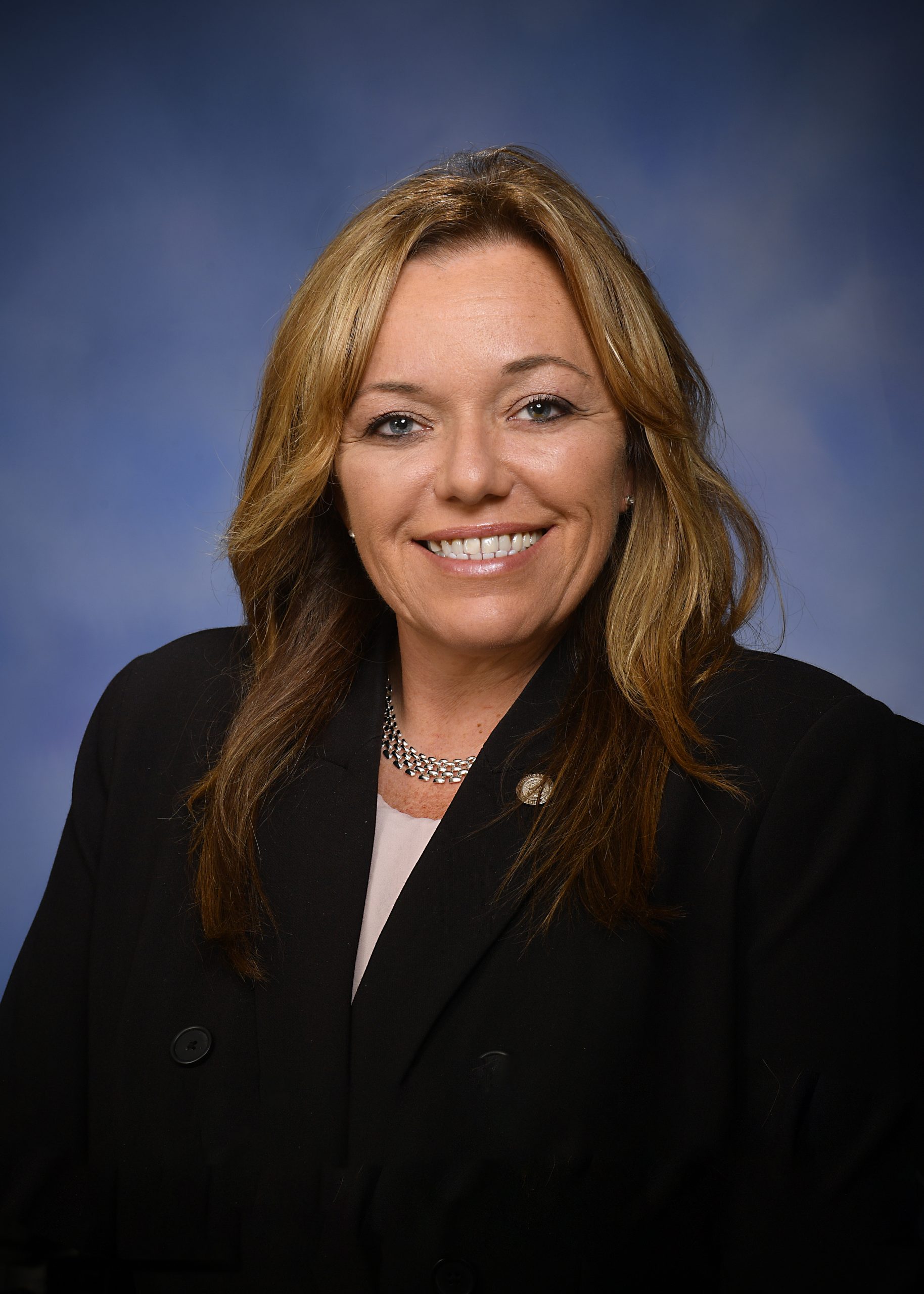
Rep. Jamie Thompson
Sponsored bills
Maddy summaryHB 5090 amends Michigan's LiHEAP (Low Income Home Energy Assistance Program) funding rules to require a higher percentage of funds to be used for weatherization assistance. Specifically, it increases the mandatory allocation for weatherization services - such as home insulation and heating system upgrades - from existing levels. This change directly affects low-income households receiving weatherization support through state programs. The bill modifies Section 527a of the Income Tax Act (MCL 206.527a) to implement this funding shift. (Note: The bill is currently in committee referral stage and has not yet passed.)
Maddy summaryHB 4596 clarifies the timeline for dismissing criminal charges against defendants deemed incompetent to stand trial in Michigan. It requires charges to be dismissed 15 months after the defendant was initially found incompetent or after they began treatment to become competent - whichever comes first. Prosecutors may refile charges for life felony offenses if the defendant later becomes competent, but only after a court hearing confirming competency. The bill also adds requirements for courts to notify attorneys and medical supervisors when dismissal orders expire or are voided.
Maddy summaryHB 5060 requires bars, nightclubs, and other alcohol-serving establishments to hire bouncers only after they complete mandatory training on preventing positional asphyxiation - a dangerous restraint technique that can restrict breathing. The bill mandates that owners verify this training before employing anyone whose duties might involve physically restraining patrons. The Michigan Commission on Law Enforcement Standards will develop specific training rules, and violations could trigger penalties under Michigan's liquor control laws. The bill's effective date depends on another related bill (HB 5061) also being enacted.
Maddy summaryHB 5061 requires bars and restaurants serving alcohol to provide mandatory server training to all employees within 60 days of hire. The training covers identifying intoxication signs, responsible ID verification, handling over-service, and legal consequences of violations - specifically addressing how to prevent sales to visibly intoxicated patrons or minors. It creates a "responsible vendor" designation for licensees that complete the training and maintain a clean record, with supervisors trained on every shift during service hours. This bill directly affects all licensed establishments serving alcohol in Michigan, aiming to reduce prohibited sales through standardized education. The title's reference to "bouncers" appears incorrect; the bill focuses on server training, not positional asphyxiation prevention.
Maddy summaryHB 4971 amends Michigan's Use Tax Act to clarify that promotional merchandise (including items like baby diapers) transferred to out-of-state customers via redemption offers qualifies for resale exemptions. It specifically updates Section 4(c)(i) to include promotional merchandise shipped outside Michigan as exempt from use tax, directly affecting retailers and businesses selling such items to out-of-state customers. The key mechanism expands existing resale exemptions to cover promotional goods sent to customers in other states, aligning with how businesses handle cross-state promotions. This change does not create new exemptions but clarifies existing rules for promotional sales. (Note: The bill title mentions "baby diapers," but the actual amendment applies broadly to all promotional merchandise, not specifically diapers.)
Maddy summaryHB 4972 adds baby diapers to Michigan's list of sales tax-exempt items under the General Sales Tax Act (MCL 205.54a). The bill specifically exempts the sale of tangible personal property (like diapers) from sales tax when sold to consumers. This change directly affects retailers selling diapers and consumers purchasing them, as they will no longer pay state sales tax on these items. The exemption aligns with existing tax rules for certain essential goods but specifically targets diapers as a new category. The bill amends Section 4a(1)(a) of the General Sales Tax Act to include this provision.
Maddy summaryHB 4664 prohibits blocking state highways during assemblies of individuals, amending Michigan's existing traffic law (MCL 257.676b). It directly affects protesters or assembly participants who obstruct highway traffic, making such obstruction a misdemeanor offense. The key provision adds a specific penalty for blocking highways while engaging in group assemblies, moving beyond general traffic violations. This law clarifies that highway obstruction during protests is a criminal act, not merely a traffic infraction.
Maddy summaryHB 4867 requires local health departments or physicians to refer children under 3 years old with blood lead levels above 10 micrograms per deciliter to Michigan’s Early On program (which supports children with developmental needs). This amendment to the Public Health Code specifically adds this referral mandate to existing lead poisoning prevention requirements. The bill does not create new programs but directs existing resources toward early intervention for affected children. It maintains annual reporting requirements for the department on lead screening data and program expenditures. The bill directly affects young children with elevated lead levels and the health providers who manage their care.
Maddy summaryHB 4900 modifies Michigan's continuing education requirements for chiropractors renewing their licenses. It mandates that chiropractors complete two two-day approved conferences every two years, covering topics related to chiropractic practice. The bill also requires that part of this training include specific modules on pain and symptom management and certain legal provisions added in 2009. Additionally, it allows chiropractors to use courses from the Federation of Chiropractic Licensing Board or equivalent programs to meet the conference requirement, with the board setting rules for equivalency.