

Maddy summaryThis bill amends Michigan's property recording rules to standardize formatting and privacy requirements for deeds, mortgages, and other property transfers recorded with county registers of deeds. Key changes include requiring documents to be printed on 20-pound white paper in 10-point font with clear addresses, obscuring the first five digits of Social Security numbers after specified dates, and mandating legible signatures with printed names beneath them. These rules apply to anyone submitting property documents for recording, ensuring consistent formatting and reducing privacy risks. The bill focuses on procedural clarity rather than substantive policy changes to property transactions.
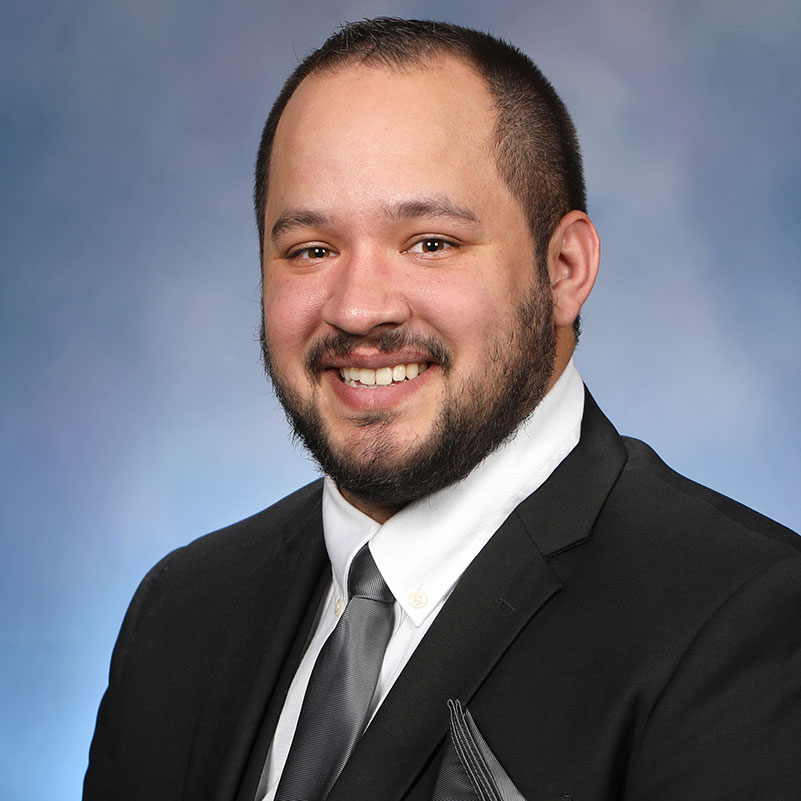
Rep. Dylan Wegela
Sponsored bills
Maddy summaryHB 5373 would limit how much mass entertainment venues (like stadiums, arenas, and concert halls) can charge for bottled water. It amends Michigan's Consumer Protection Act by adding a new provision (Section 3j) requiring venues to set a specific price cap on bottled water sold at these locations. This directly affects consumers purchasing bottled water at large events, ensuring they aren't charged excessive prices. The bill establishes a clear price limit for bottled water sales, aiming to protect consumers from inflated costs during events.
Maddy summaryHB 5374 requires that workers on specific broadband service projects in Michigan be paid prevailing wages and fringe benefits, as defined by state labor law. This applies to broadband developers constructing, maintaining, or expanding infrastructure (like fiber optic lines) for new projects funded by state or local governments, but excludes projects receiving federal funding under the Infrastructure Investment and Jobs Act or the Coronavirus Capital Projects Fund. The bill amends Michigan’s existing prevailing wage law to explicitly include broadband service projects under the same wage standards as other state-funded construction work. It defines key terms like "broadband service project" and clarifies which federal programs are exempt from these requirements.
Maddy summaryHB 5365, the "SFR Tax and Economics Act," imposes a surtax on large investors (entities owning 50+ single-family homes) for acquiring, selling, or holding properties. It requires certified entities (like community land trusts or MSHDA-approved groups) to implement 15-year affordability covenants limiting rent/sale prices to 30-80% of local median income. The bill affects large real estate investors and entities receiving state benefits related to single-family homes, mandating reporting and compliance. Proceeds from surtaxes fund affordable housing initiatives, while exemptions apply to qualifying "mission buyers" like public housing agencies.
Maddy summaryHB 5355, the "Michigan Fair Chance Access to Housing Act," prohibits landlords from requiring or considering an applicant's criminal record during initial rental screening. Landlords must issue a conditional offer after checking income, credit, or rental history, then may only consider specific serious offenses (like arson, human trafficking, or sex offenses requiring registration) or recent felonies within 3 years after a conditional offer is made. Landlords must disclose if they consider criminal records and allow applicants to submit evidence of rehabilitation or mitigating factors before denying housing. This bill directly affects landlords across Michigan and rental applicants with criminal records, aiming to reduce barriers to housing based solely on past convictions.
Maddy summaryHB 5362 is a supplemental budget bill that allocates additional state funds to the University of Michigan for its operations during the 2024-2025 fiscal year. It modifies existing state appropriations by designating specific supplemental funding for the University of Michigan, without creating new programs or altering the university's structure. This bill directly affects the University of Michigan's budget, providing it with additional resources from the state's general fund for the upcoming fiscal year. The bill is procedural in nature, focusing solely on the allocation of existing state funds rather than establishing new policies.
Maddy summaryThis resolution (HR 227) urges the U.S. House of Representatives to investigate allegations that Secretary of Defense Pete Hegseth authorized military actions in the Caribbean Sea that killed at least one unarmed civilian fisherman, with no public evidence the individual was a combatant. If evidence supports these allegations, it calls for the House to introduce and adopt articles of impeachment against Hegseth for potential violations of federal law, international humanitarian law, and the Constitution. The resolution references the War Powers Resolution, the War Crimes Act, and the Geneva Conventions to frame the alleged misconduct. It does not create new law but formally requests the House take specific action. (Procedural resolution; summary limited to 2 sentences as instructed.)
Maddy summaryThis resolution symbolically recognizes December 13, 2025, as "National Wreaths Across America Day" in Michigan. It does not create new laws or policies but formally honors Michigan's participation in the non-profit Wreaths Across America's annual event, where volunteers place wreaths on veterans' graves. The resolution acknowledges that Michigan will host 96 locations across the state, with approximately 60,000 wreaths laid to honor fallen veterans, active-duty military, and their families. It serves as a ceremonial declaration of the state's support for this existing national observance.
Maddy summaryThis resolution urges the U.S. Department of Education to reject a proposed definition of "professional degree" that would exclude many health care education programs from federal student loan eligibility. It specifically targets programs like physical therapy, occupational therapy, nursing, social work, and physician assistant studies - classified under CIP Code 51 - which would lose access to loans under the current proposal. The bill requests the Department instead adopt a definition based on required practice credentials, not program length or historical classification, to maintain consistent eligibility. This change aims to prevent worsening health care workforce shortages, particularly in rural and underserved communities.