

Maddy summaryHB 4796 would require any armed military force from another state, territory, or district to obtain the Michigan governor's permission before entering the state to perform military duty. This applies to out-of-state military units but excludes U.S. military forces acting under valid presidential authority. The bill amends Michigan's Military Act to add this authorization requirement as a new Section 132. It directly affects military forces from other jurisdictions seeking to conduct training or operations within Michigan. The policy change aims to clarify state authority over military activity on Michigan soil.
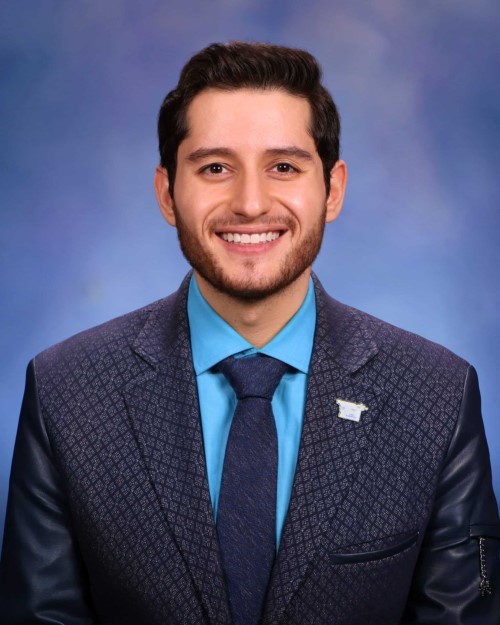
Rep. Noah Arbit
Sponsored bills
Maddy summaryHB 4797 creates a grant program to provide funding to public broadcast stations in Michigan, directly affecting local public radio and TV stations that serve educational, cultural, or civic needs. The bill requires stations to apply with documentation about their local service, financial need, and how funds will maintain public interest programming. It establishes a "public media fund" in the state treasury, appropriating $13 million for fiscal year 2025 to award grants of up to $1.5 million per station for programming, staffing, or infrastructure. The Michigan Department of Education administers the program, prioritizing stations demonstrating commitment to noncommercial, community-focused broadcasting.
Maddy summaryThis is a symbolic House resolution (not a binding law) reaffirming support for the existing 22nd Amendment, which limits U.S. presidents to two terms. It does not change any law or affect any individuals, as the two-term limit has been part of the Constitution since 1951. The resolution states that all presidents since its ratification have respected the limit and rejects any efforts to undermine or weaken the amendment. It is a non-binding statement of congressional support, not a new policy or legislative action.
Maddy summaryThis House resolution (HR 152) opposes the Trump administration's actions that would terminate federal workers without just cause and eliminate their right to collectively bargain. It specifically targets executive orders from March 2025 that banned collective bargaining for nearly a million federal employees. The resolution, introduced by Rep. Weiss and referred to the Government Operations Committee, is a symbolic statement urging the administration to cease these actions. It does not create new law but expresses legislative disapproval of policies affecting federal workers' job security and labor rights.
Maddy summaryHB 4677 requires Michigan courts to provide petitioners with written information about alternatives to full guardianship before filing a petition, including supported decision-making. This bill directly affects individuals potentially declared incapacitated and their families or caregivers navigating guardianship proceedings. The key mechanism mandates courts to explain options like limited guardianship, durable power of attorney, and supported decision-making - where individuals with disabilities receive support from trusted people to make their own choices. The change aims to prioritize less restrictive options before appointing a full guardian.
Maddy summaryHB 4676 amends Michigan's mental health guardianship law to require courts and guardians to prioritize the "least restrictive means" when appointing guardians for individuals with mental health conditions. This directly affects people needing court-appointed guardianship due to mental health challenges, such as those with severe depression, schizophrenia, or developmental disabilities. The key provision mandates that guardians and courts must first consider less restrictive options - like supported living arrangements or limited guardianship - before imposing full guardianship. This change aims to preserve individual autonomy and minimize unnecessary restrictions on personal decision-making.
Maddy summaryHB 4758 requires Michigan Works agencies to create teams providing job transition services to two groups: individuals who lost federal jobs involuntarily between January 2025 and January 2027 (dislocated federal employees), and veterans. The bill mandates these teams to analyze job matches with public employers, assess transferable skills, and refer individuals to both public and private employers needing staff. It also requires assistance with filing for unemployment benefits under Michigan’s existing employment security system. The law applies specifically to Michigan Works agencies and public employers like state/local governments, schools, and community colleges. This bill creates a new coordination framework but does not establish new benefits or funding.
Maddy summaryHB 4760 requires Michigan law enforcement officers to wear visible identification (showing their name or badge number and agency) and not wear masks or disguises during public interactions while performing duties. Exceptions allow masks for health protection (e.g., airborne diseases), safety from toxins, or physical protection during high-risk incidents like shootouts. The law applies to all state and federal officers in Michigan during public engagements, with violations punishable as misdemeanors (up to 90 days in jail or $1,000 fine). It does not affect covert operations or officers wearing protective gear for legitimate safety reasons.
Maddy summaryHB 4759 encourages public employers (like state agencies, cities, schools, and community colleges) to use an expedited hiring process for dislocated federal employees who are referred through the state's reemployment services program. The bill requires public employers receiving such referrals to prioritize these candidates, though it does not mandate hiring. Key provisions include defining "public employer" broadly and specifying that this process must follow existing constitutional hiring rules for state positions. It does not override other laws but depends on another bill (HB 4758) being enacted first. The measure directly affects dislocated federal workers seeking new jobs and public employers hiring for open positions.
Maddy summaryThis resolution urges the federal government to maintain funding and reinstate staff for the Low Income Home Energy Assistance Program (LIHEAP) while negotiating the "One Big Beautiful Bill Act." It directly affects Michigan residents who rely on the state's Home Heating Credit Program, which provided assistance to 248,765 Michiganders in 2022 - including low-income families, seniors, and people with disabilities - by helping cover heating costs. The resolution highlights that proposed federal budget cuts to LIHEAP and the recent firing of LIHEAP program staff threaten the program's continuation, potentially causing payment delays or termination. As a non-binding request, it asks federal leaders to prioritize LIHEAP funding to prevent disruption of this critical aid.