

Maddy summaryThis bill requires the Michigan Department of Health and Human Services to create a written process for child care licensees to request a review and appeal of certain rule violations. The new procedure specifically applies to cases where a violation does not lead to the denial, revocation, or refusal to renew a license, or an injunction. The department must establish this system within 90 days of the bill's effective date and make the process publicly available on its website. By adding Section 12a to the existing child care licensing law, the legislation aims to provide a formal avenue for organizations to challenge specific regulatory determinations.
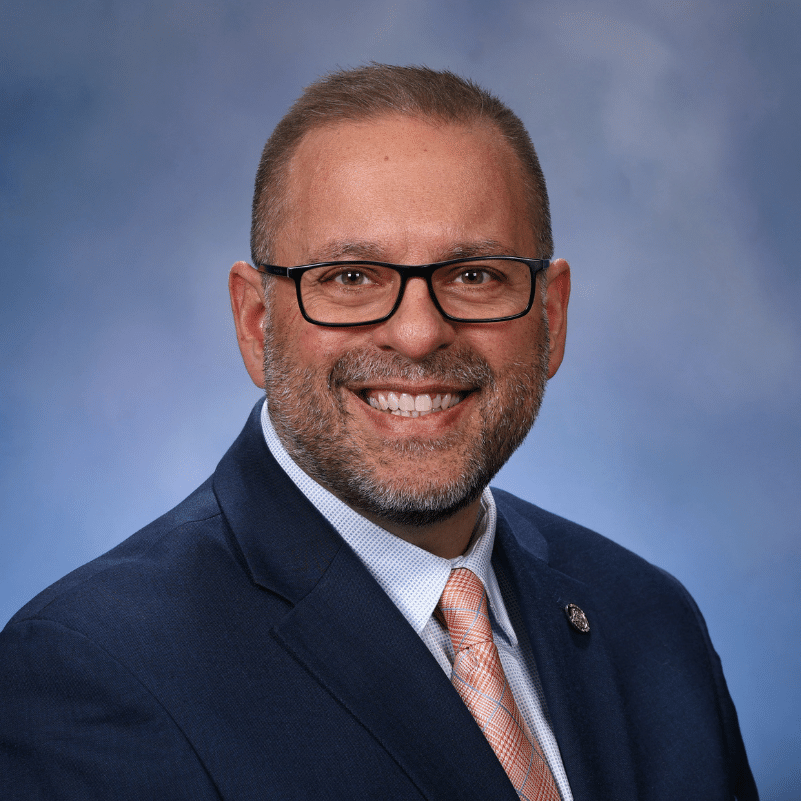
Rep. Mike McFall
Sponsored bills
Maddy summaryThis bill allows tenants in single-unit, metered rental homes to request that their water and sewer bills be sent to them in addition to the landlord. It prohibits landlords from retaliating against tenants who make this request by taking actions such as shutting off water, refusing lease renewals, or raising rent. The law applies to all new or renewed leases and ensures that tenants have direct access to their utility billing information without fear of punishment.
Maddy summaryThis bill modifies Michigan's laws regarding utility theft by creating a specific exemption from criminal charges for people who restore water service to their own homes after a shut-off due to non-payment. Under the new provisions, individuals caught bypassing a meter or regulator to regain water access for their occupied residence will face a state civil infraction instead of a misdemeanor or felony, provided they do not damage the metering equipment. Penalties for these civil infractions range from community service to fines, with stricter consequences for repeat offenses. The change aims to decriminalize a situation often driven by financial hardship while still allowing utility companies to pursue civil damages for the cost of the service used.
Maddy summaryThis bill updates the definitions within Michigan's Animal Welfare Fund Act to clarify terms like "animal control shelter," "qualified veterinarian," and "state animal anticruelty laws." By referencing existing statutes, the legislation ensures these terms align with current legal standards for animal care and veterinary licensing. The bill does not create new laws or change funding rules but rather organizes the current act for consistency. It includes a provision that prevents it from becoming effective unless a related companion bill is also passed by the legislature.
Maddy summaryHB 4560 amends the Michigan penal code to update sentencing guidelines for specific crimes involving dangerous drugs, biological agents, and hazardous materials. The bill clarifies penalties based on the severity of outcomes, such as personal injury, serious impairment, or death, and explicitly allows for resentencing under existing laws for individuals currently serving life sentences without parole. By referencing specific sections of the penal code, the legislation ensures that current statutes align with potential future reviews of mandatory life sentences. Ultimately, the bill aims to refine how the state handles cases where hazardous substances cause harm, while preserving the possibility of reconsidering past convictions.
Maddy summaryThis bill proposes minor technical corrections to Michigan's Code of Criminal Procedure, specifically updating a cross-reference within the sentencing guidelines section. The legislation does not introduce new laws or alter existing penalties but instead ensures that internal references in the statute accurately reflect recent amendments made to other sections. By updating these citations, the bill aims to maintain consistency and clarity in how sentencing rules are applied by courts. Directly affected parties are legal professionals and judges who rely on the code for sentencing decisions, though the changes are administrative rather than substantive.
Maddy summaryThis bill creates a new low-income water affordability program in Michigan designed to help households with limited income manage their water and sewer bills. The program defines eligible customers as those earning less than 200% of the federal poverty guidelines or receiving specific government assistance, such as SNAP or medical aid. It requires water providers to collect a mandatory fee from all customers to fund the program, which will be used to reduce or eliminate unpaid bills and adjust monthly charges so they do not exceed 3% of a household's income. Starting in 2026, the state will administer the program for larger providers, with the goal of expanding to all providers within 18 months of the program's launch.
Maddy summaryHB 4559 amends the Michigan Public Health Code to update sentencing guidelines for crimes involving the sale or manufacture of drugs with misleading labels that result in death or serious injury. The bill clarifies that individuals convicted of these offenses under specific intent to kill or cause harm face mandatory life sentences without parole, but it explicitly exempts those cases from mandatory sentencing if they are subject to resentencing proceedings. This legislative change ensures that existing resentencing mechanisms can still be applied to individuals whose cases fall under these new provisions. The bill also includes a provision stating that this section does not prevent individuals from being charged with or punished for other laws violated during the same incident.
Maddy summaryThis bill establishes the Water Shutoff Protection Act to regulate how Michigan water utilities handle unpaid bills for residential customers. It mandates that providers must make at least three contact attempts using multiple methods, such as door notices, phone calls, or mail, before cutting off service for non-payment. The law specifically prohibits shutting off water for households with critical care needs, such as those using life-support systems, and defines eligibility for assistance based on income levels and participation in various state and federal aid programs. Additionally, the act requires utilities to inform customers about available payment plans and affordability programs before enforcing a shutoff.
Maddy summaryThis bill creates a new Low-Income Water Residential Affordability Fund in Michigan to help pay for water assistance programs and reduce utility bills for low-income households. Water providers will collect a monthly fee of up to $2.00 per residential account, which is then sent to the state treasury to be distributed for bill discounts, arrears payments, and plumbing repairs. The law also protects these payments from being seized to collect other debts and requires providers to report their usage annually. Additionally, the funding amount can be adjusted every three years based on recommendations from a task force, but it cannot exceed $3.00 per month or increase total collections by more than 10% compared to the previous year.