

Maddy summaryHB 4302 creates an exception to Michigan's commercial driver license (CDL) requirements for authorized emergency vehicles operated by the Michigan Mutual Aid Box Alarm System. This means drivers operating these specific emergency vehicles do not need to obtain the standard CDL or related endorsements required for commercial vehicles. The bill amends Michigan's Vehicle Code (MCL 257.312e) to explicitly exempt these vehicles from the general CDL rules. The exception directly affects personnel operating emergency vehicles under the Michigan Mutual Aid Box Alarm System, allowing them to operate without meeting standard CDL qualifications.
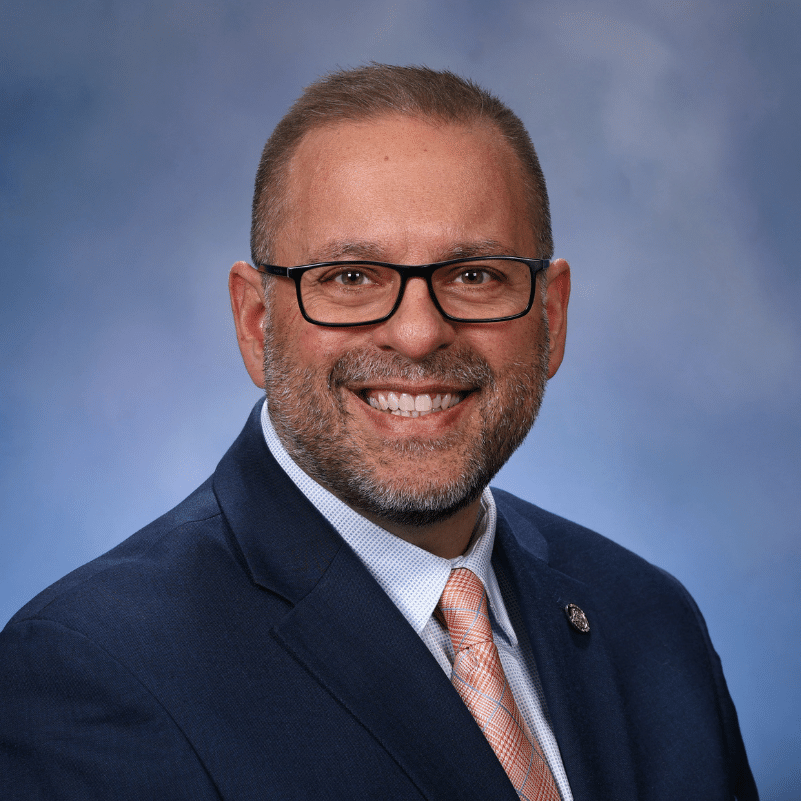
Rep. Mike McFall
Sponsored bills
Maddy summaryHB 4220 amends Michigan's veterinary practice law (MCL 333.1101 - 333.25211) by adding a new section (18818) that establishes requirements for the veterinarian-client-patient relationship. The bill directly affects veterinarians and pet owners by defining the legal obligations within this relationship. Key provisions require veterinarians to maintain clear communication and documentation when providing care, ensuring patient welfare and professional accountability. The bill passed the House overwhelmingly (84-17) and was transmitted to the Regulatory Affairs Committee for further review.
Maddy summaryHB 4221 amends Michigan's Public Health Code to clarify and strengthen regulations for veterinarians and veterinary technicians. It specifically restricts the use of titles like "veterinarian," "DVM," or "veterinary surgeon" to only licensed professionals, and prohibits veterinary technicians from diagnosing diseases, prescribing treatments, or performing surgery. The bill ensures that only authorized individuals may use protected titles or practice within their licensed scope. These changes directly affect licensed veterinarians, veterinary technicians, and the public by maintaining clear standards for veterinary care.
Maddy summaryHB 5250, titled the "Weight Loss Products and Minors Act," prohibits retailers from selling dietary supplements marketed for weight loss or muscle building and over-the-counter diet pills to anyone under 18. It requires physical store sales to verify age using valid ID (like a driver's license), and online sales to confirm age through approved databases before shipping, with delivery requiring ID proof at time of receipt. The bill directly affects retailers selling these products and minors under 18, creating new requirements for age verification in both physical and virtual transactions. It does not change product safety standards but adds civil penalties for violations, including fines up to $1,000 per violation. The bill is pending in Michigan's Health Policy Committee as of its introduction on November 12, 2025.
Maddy summaryHB 5258 establishes a new "Iraq and Afghanistan veteran recognition certificate" for Michigan veterans who served honorably in those conflicts. To qualify, veterans must have been Michigan residents (or former residents) during their service, served during active combat periods in Iraq or Afghanistan, and received an honorable discharge. The certificate can be awarded only once per person, and family members may receive it if the veteran has passed away. This bill updates Michigan’s military recognition program to specifically honor veterans of recent conflicts, building on existing provisions for Vietnam War veterans.
Maddy summaryHB 5261 establishes a mental health support program within Michigan's Veterans Affairs Agency. It requires the agency to partner with the Department of Health and Human Services to conduct statewide outreach on mental health resources for service members, veterans, and their families (Section 322(1)(a)), develop materials to help families recognize mental health changes (Section 322(1)(b)), and collect data under the Protecting Veterans Mental Health Act (Section 322(1)(c)). The bill also creates a dedicated family support program for navigating mental health services (Section 322(2)) and allows digital platforms to connect veterans to resources (Section 322(3)), while protecting individual health records from public disclosure under the Freedom of Information Act (Section 322(4)). The bill is contingent on the passage of companion bill HB 5270.
Maddy summaryHB 5267 requires Michigan's veterans' facility ombudsman to notify specific parties within 10 business days when deciding to investigate complaints or reports of abuse, neglect, or exploitation in state veterans' homes. It directly affects resident veterans, their families, legal representatives, and the facilities themselves, as well as the Department of Military and Veterans Affairs and the Department of Licensing and Regulatory Affairs. The bill mandates written notification to complainants, affected veterans, and relevant departments upon initiating or declining an investigation, ensuring transparency in the process. This amendment to existing law (2016 PA 198) focuses on improving communication and accountability in handling facility abuse reports.
Maddy summaryHB 5263 requires Michigan veterans' facilities and the Department of Military and Veterans Affairs to forward written reports of abuse, neglect, or exploitation to the Michigan Veterans’ Facility Ombudsman. This directly affects veterans' facilities, their employees, and the ombudsman, who gains authority to independently investigate such reports without needing facility approval. The bill mandates that facilities immediately send reports to the ombudsman, who can then interview staff, contractors, or witnesses to probe issues affecting resident veterans’ safety. These changes aim to ensure prompt, impartial reviews of facility conditions that pose health or safety risks to veterans.
Maddy summaryHB 5259 establishes a peer mentorship program within Michigan's Department of Military and Veterans Affairs to connect active-duty military members (including National Guard and reserves) and veterans with volunteer mentors. The program helps participants access resources for education, employment, family issues, financial matters, and health care - including mental health and substance use disorder support through veteran navigators. Mentors must be recruited from veterans where possible, and program records are protected from public disclosure under Michigan's freedom of information law. The bill requires companion legislation (HB 5270) to take effect.
Maddy summaryHB 5264 creates a new Michigan Military and Veteran Services Support Fund within the state treasury to provide tax-deductible donations for military members, veterans, and their families. The bill establishes a 7-member board (including agency directors and appointed experts in fundraising) to manage the fund, which will maintain separate accounts for military service members/families and veterans/community support. Contributions stay in the fund year-to-year, and the board can allocate funds for direct grants or supplemental support to state veteran programs. This bill directly affects military personnel, veterans, and their families by creating a dedicated funding mechanism for their services.