

Maddy summaryHB 6170 updates the definitions within Michigan's Wolf-Dog Cross Act to ensure consistency with other state laws regarding animal shelters and law enforcement. The bill clarifies terms such as "animal control officer," "animal control shelter," and "law enforcement officer" by referencing existing statutes from the Dog Law and the Animal Industry Act. It also provides specific criteria for who qualifies as an expert on wolf-dog cross identification and defines what constitutes a wolf, a dog, and a wolf-dog cross. This legislation does not create new regulations but rather aligns the terminology used in the Wolf-Dog Cross Act with current legal definitions.
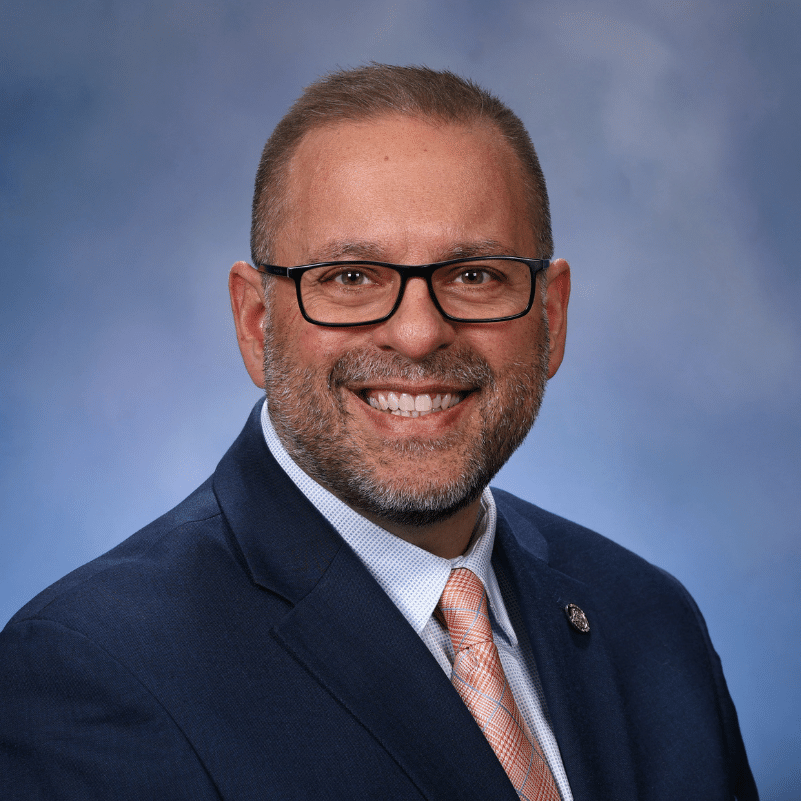
Rep. Mike McFall
Sponsored bills
Maddy summaryThis bill authorizes Michigan to join the National Popular Vote Interstate Compact, an agreement among states to award all their electoral votes to the presidential candidate who wins the most votes nationwide. The legislation declares that the one-person, one-vote principle requires the candidate with the highest national total to become President and outlines how Michigan's chief election official would count votes and designate the winner once the compact is active. The agreement only takes effect when states participating in it collectively hold a majority of the Electoral College votes, ensuring the current system remains in place until that threshold is met. If the compact becomes active, Michigan's laws regarding elector appointment will follow the compact's rules rather than conflicting state statutes.
Maddy summaryHB 6172 updates the Michigan Public Health Code to clarify how animal shelters and other Class B dealers can legally obtain and use sodium pentobarbital for euthanizing injured, sick, homeless, or unwanted domestic pets. The bill requires these facilities to secure a limited permit, maintain usage records, and ensure staff complete specific training programs approved by the state veterinarian that align with American Veterinary Medical Association guidelines. Additionally, it establishes a transition period for existing staff to meet new training requirements by January 1, 2022, while also reinforcing general rules for prescribing and dispensing controlled substances by practitioners and pharmacists.
Maddy summaryHB 6173 updates the Michigan penal code to clarify definitions and strengthen penalties related to animal fighting and baiting. The bill explicitly defines "animal control agencies" as shelters licensed under the Animal Protection Act and expands prohibitions to include renting or obtaining venues for these illegal activities. It also mandates that animal control agencies sterilize or secure a deposit for sterilization before adopting animals with fighting histories. Additionally, the legislation imposes stricter sentencing guidelines for owners whose trained fighting animals attack people and establishes specific misdemeanor charges for failing to restrain such animals on their property.
Maddy summaryThis bill requires health insurance plans in Michigan to count payments made by patients or on their behalf toward out-of-pocket maximums and cost-sharing requirements for prescription drugs. The rule applies to both standard plans and high-deductible plans, with a specific exception for high-deductible plans where counting such payments would disqualify a patient's health savings account. The legislation takes effect for policies delivered, issued, or renewed in the state after December 31, 2025.
Maddy summaryThis bill requires officials who issue dog licenses in Michigan to inform owners about the availability of microchipping services at veterinarians and animal shelters. It defines animal control and protection shelters according to existing state laws to ensure consistency in how these facilities are identified. The legislation does not take effect until a companion bill is passed, meaning it currently has no immediate impact on policy.
Maddy summaryHB 6174 updates the definitions within Michigan's law regulating the use of dogs and cats for laboratory research. The bill clarifies who qualifies as an "animal protection shelter," a "dealer," and a "research facility" to ensure consistent application of existing rules. It also specifies which organizations are eligible to receive animals from research facilities before they are euthanized. This legislative change is currently tied to another bill, meaning it will only become effective if both are passed together.
Maddy summaryThis bill updates the Animal Welfare Fund Act by clarifying the definitions of several key terms used within the law. It explicitly states that "animal control shelter" and "animal protection shelter" refer to facilities licensed under a 1969 statute, while also defining the responsible state department, the fund itself, and who qualifies as a veterinarian. Additionally, it specifies that "state animal anticruelty laws" include specific chapters of the Michigan penal code regarding animal care. The bill is tied to another piece of legislation and will only take effect if that companion bill is also passed.
Maddy summaryThis bill updates Michigan laws to regulate pet shops, animal shelters, and dog breeding facilities by requiring them to undergo state inspections and obtain licenses. It establishes clear definitions for different types of facilities, such as small-scale and large-scale breeding kennels, and mandates that all adopted dogs, cats, and ferrets be altered, or spayed/neutered, unless specific exceptions apply. The legislation also creates a requirement for veterinarians to issue health certificates for animals sold by pet shops or breeders, ensuring they are free from visible communicable diseases. By amending existing statutes and adding new sections, the bill aims to standardize procedures and minimum requirements across the state to improve animal welfare and public safety.
Maddy summaryHB 6163 amends the Michigan Medical Marihuana Facilities Licensing Act to formally define "marihuana plant waste" and authorize licensed facilities to transport and dispose of it. The bill primarily affects growers, processors, and other licensed entities by clarifying that discarded plant material can be legally moved and discarded rather than being treated as contraband. By updating specific sections of the existing law, the legislation provides a clear regulatory framework for the proper handling of cultivation byproducts within the state's medical marijuana program.