

Maddy summaryHouse Bill 4446 proposes to repeal the "Local government labor regulatory limitation act" from 2015. This existing law currently places limits on the ability of local governments to regulate labor matters within their jurisdictions. By repealing this act, HB 4446 would remove those limitations, potentially allowing local governments greater authority over local labor regulations.
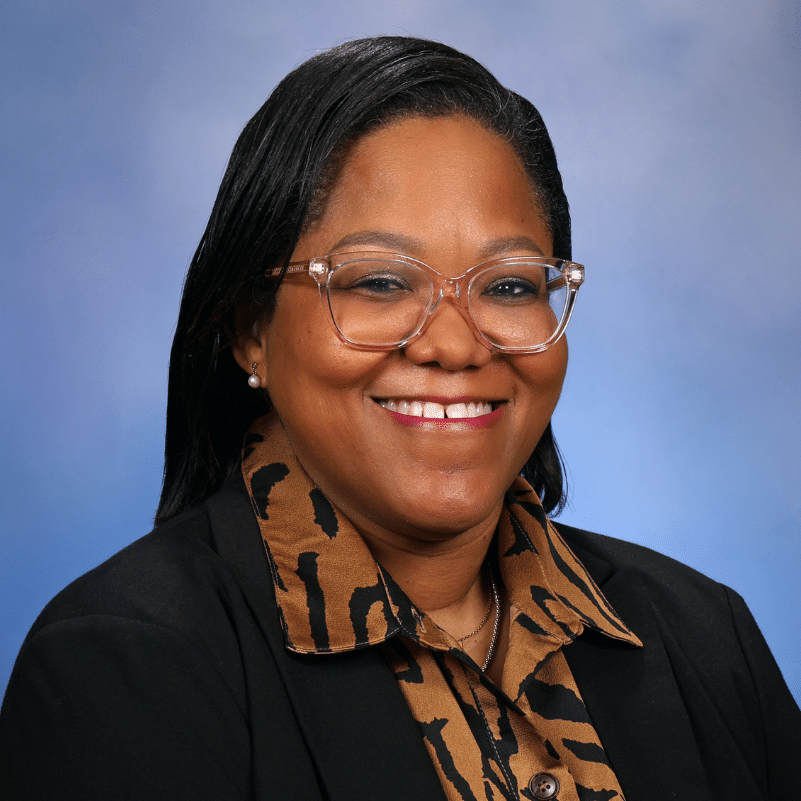
Rep. Kimberly Edwards
Sponsored bills
Maddy summaryHouse Bill 4460 establishes the "Clean Michigan 2 Initiative Implementation" within the Natural Resources and Environmental Protection Act. This bill creates the Clean Michigan 2 Initiative Bond Fund and authorizes the state to issue bonds to finance various environmental and water infrastructure projects. The bond proceeds are specifically allocated for purposes such as cleanup and redevelopment, municipal landfill grants, brownfield redevelopment, water infrastructure improvements, and remediation of contaminated lake and river sediments. These funds will support projects that enhance water safety, provide access to clean and safe water, improve flood resilience, and address environmental contamination across the state.
Maddy summaryHB 4288 prohibits Michigan state agencies from hiring for unclassified positions based on factors other than objective merit, such as education or work experience. It directly affects state agencies hiring for roles outside the classified civil service (e.g., certain executive branch positions). The bill requires hiring decisions to rely solely on merit-based criteria and imposes civil fines of up to $10,000 per violation, with the attorney general authorized to collect penalties. This legislation creates new requirements for state hiring practices under Michigan law.
Maddy summaryHouse Resolution No. 83 declares April 30-May 6, 2025, as Junior Achievement Week in the state of Michigan. This resolution recognizes Junior Achievement's contributions to financial literacy education for youth across the state.
Maddy summaryHouse Bill 4331 establishes an "Ebony alert" system in Michigan to aid in locating missing women between the ages of 18 and 65, referred to as "qualifying individuals." This system is activated when a qualifying individual is reported missing under suspicious circumstances and is believed to be at risk, developmentally disabled, cognitively impaired, or abducted. The Department of State Police will create and maintain a plan to rapidly disseminate information to radio and television stations statewide. The bill also creates an Ebony Alert Fund to support the system's operation and prohibits intentionally making false reports, imposing penalties for violations.
Maddy summaryHouse Bill 4329, titled the "medical debt act," aims to regulate how medical debt information is handled for Michigan residents. The bill prohibits consumer reporting agencies from including adverse medical debt information in consumer reports, with an exception for large credit transactions exceeding a specified principal amount. It also requires collection agencies to avoid misrepresenting that medical debt will be reported and to include a specific disclosure statement about these reporting limitations in their initial communications. Individuals can bring a civil action to seek remedies for alleged violations of the act.
Maddy summaryHB 4323 proposes amendments to Michigan's Whistleblowers' Protection Act, aiming to expand protections for individuals reporting violations of state, local, or federal law. The bill broadens the definition of "employee" to include independent contractors and certain prospective employees, and adds refusing to participate in a violation as a protected activity. It extends the time limit for filing a civil action to two years and increases the civil fine for employers who violate the act from $500 to $10,000. Additionally, the bill introduces a mechanism to award the first reporting employee 30% of any money the state recovers as a result of their report.
Maddy summaryHouse Bill 4324 requires the Michigan Department of Treasury to provide taxpayers with information regarding the classification of individuals as employees or independent contractors. Starting with the 2025 tax year, the annual income tax instruction booklet must include a page explaining the rules and factors for this classification. This page will also provide contact information for reporting suspected payroll fraud to the Department of Labor and Economic Opportunity and the Attorney General. Additionally, the department will send a direct notice containing this information to each individual reported on a Form 1099-MISC filed with the state. The bill aims to inform individual taxpayers about worker classification and provide resources for reporting potential misclassification.
Maddy summaryHouse Bill 4316 creates the Office of the State Employee Ombudsman within the legislative council. This new office is tasked with investigating complaints from state employees regarding suspected violations of law, conduct endangering public health or safety, or gross mismanagement of public funds by state departments and agencies. The ombudsman can initiate investigations or respond to complaints, accessing agency records and holding informal hearings. The bill establishes procedures for complaint processing, confidentiality, and requires the ombudsman to issue reports with findings and recommendations to both complainants and the legislative council.
Maddy summaryHouse Resolution No. 59 declares April 11-17, 2025, as Black Maternal Health Week in the state of Michigan. This resolution encourages Michigan residents to observe the week with programs and activities that promote awareness, education, and action in support of Black maternal health.