

Maddy summaryHB 4362 requires law enforcement to share missing senior or vulnerable adult reports with local police, broadcasters, and newspapers, which must then broadcast a public alert with the person's description and relevant details. The state will establish a system using existing wireless emergency networks to send text alerts directly to mobile devices in the affected area. This alert system can only activate after law enforcement completes a report and receives approval from the state police. The bill creates a standardized process to rapidly disseminate information about missing individuals, aiming to improve public awareness and search efficiency.
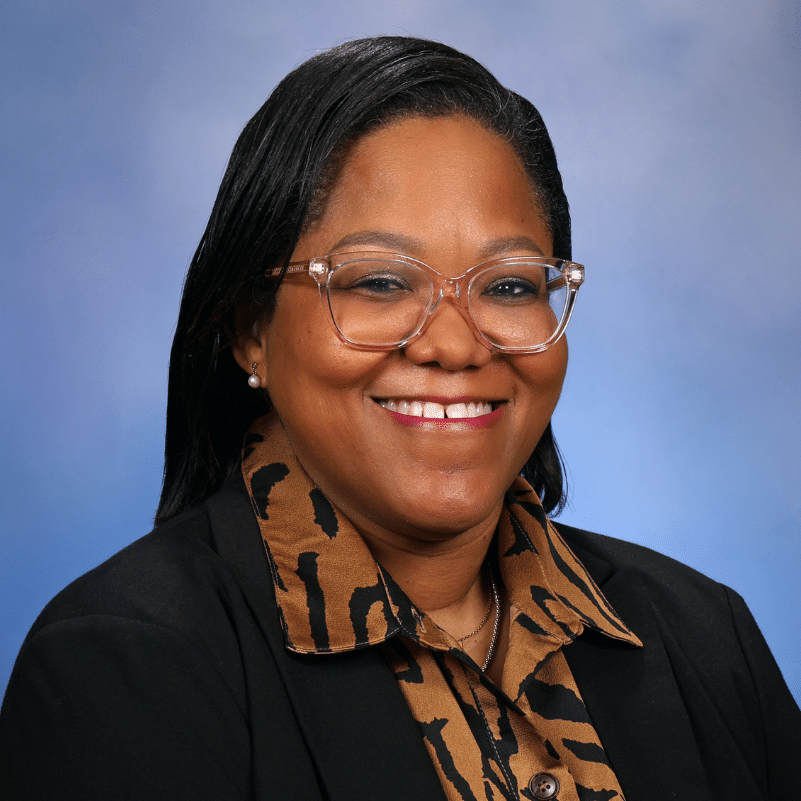
Rep. Kimberly Edwards
Sponsored bills
Maddy summaryThis resolution (HR 164) addresses the July 2025 detentions of 16 Hmong and Laotian refugees in Michigan by U.S. Immigration and Customs Enforcement (ICE), who were unexpectedly taken into custody during routine check-ins and later deported to Laos without adequate notice or due process. It demands federal transparency regarding the legal basis for these detentions, urges ICE to provide timely legal counsel and family notification for detainees, and calls for case-by-case reviews of individuals with strong Michigan ties. The resolution specifically highlights concerns about rapid transfers across facilities and the lack of a U.S.-Laos repatriation agreement requiring travel documents. It is directed to the U.S. Department of Homeland Security and Michigan’s congressional delegation, seeking improved oversight and humane treatment.
Maddy summaryThis resolution urges the federal government to maintain funding and reinstate staff for the Low Income Home Energy Assistance Program (LIHEAP) while negotiating the "One Big Beautiful Bill Act." It directly affects Michigan residents who rely on the state's Home Heating Credit Program, which provided assistance to 248,765 Michiganders in 2022 - including low-income families, seniors, and people with disabilities - by helping cover heating costs. The resolution highlights that proposed federal budget cuts to LIHEAP and the recent firing of LIHEAP program staff threaten the program's continuation, potentially causing payment delays or termination. As a non-binding request, it asks federal leaders to prioritize LIHEAP funding to prevent disruption of this critical aid.
Maddy summaryThis House Resolution (HR 143) urges members of Congress to reject President Trump's proposed "One Big Beautiful Bill Act" and instead support policies that fully fund Medicaid, SNAP, and WIC. It directly affects millions of low-income Americans, including children, seniors, people with disabilities, and vulnerable communities who rely on these programs for healthcare, food assistance, and nutrition support. The resolution opposes cuts to Medicaid (which covers 1 in 4 Michiganders), SNAP (impacting 1.4 million Michiganders), and WIC, while criticizing tax breaks for wealthy households and reduced clean energy funding. It calls for expanding healthcare access, promoting clean energy, and ensuring a fair tax system as concrete policy alternatives.
Maddy summaryHB 4675 requires Michigan's education department to develop and share a list of optional cursive handwriting instruction programs for public schools by June 2027. Starting in the 2026-2027 or 2027-2028 school year, school districts and public school academies are encouraged - but not required - to incorporate one of these model programs into their curriculum. The bill aims to support schools in meeting existing credit requirements under Michigan’s merit standards by offering cursive instruction as a voluntary option. It directly affects Michigan public schools by providing resources for optional handwriting education, without mandating changes to current standards.
Maddy summaryHR 127 is a resolution urging the U.S. Department of Labor to reverse its decision to pause all Job Corps center operations by June 30, 2025, with specific focus on the Detroit center. It directly affects approximately 217 enrolled youth at the Detroit Job Corps Center, who were reportedly told to leave immediately on May 30, 2025, with reports of some facing homelessness. The resolution cites the program’s 60-year history of providing career training, high school completion, and wraparound services (like mental health support) to disadvantaged youth aged 16-24. It emphasizes that the sudden pause disrupts critical services for Detroit youth and communities, as 321 Michigan participants were enrolled at the Detroit center as of 2023. The resolution has no binding effect but formally requests the Department of Labor reverse its operational pause.
Maddy summaryHB 4555, the Water Affordability Act, creates a program to help low-income Michigan households afford water and sewer bills by adjusting rates based on household income. It defines "qualified customers" as those with household income at or below 200% of the federal poverty level or recipients of specific public assistance programs like SNAP, Medicaid, or energy assistance. The Michigan Department of Health and Human Services will administer the program, processing applications within 30 days to determine eligibility and set water bills at a rate not exceeding a specified percentage of household income. The bill also provides additional protections for "protected customers," including seniors, children, and individuals with medical conditions requiring continuous water service.
Maddy summaryHB 4546 requires health insurers in Michigan providing prescription drug coverage to comply with Section 12 of the Prescription Drug Cost and Affordability Review Act. This bill directly affects health insurance companies operating in Michigan that offer prescription drug benefits. The key provision mandates these insurers to follow specific cost and affordability review requirements already established under the Review Act. The bill is tied to companion legislation (HB 4544) and is currently pending in the House Committee on Government Operations.
Maddy summaryHB 4542 would allow owners or handlers of service animals to sue for damages if the animal is injured or killed due to another person's actions - whether intentional, reckless, or negligent. It specifies recoverable costs, including the animal's value, veterinary care, retraining expenses, replacement costs, and lost earnings. The bill does not limit other legal remedies available to service animal owners. Currently pending in the Judiciary Committee after its introduction on June 3, 2025, this bill has not yet become law.
Maddy summaryHB 4544 creates Michigan's Prescription Drug Affordability Board and Stakeholder Council to review and set price limits for prescription drugs. The Board will establish upper payment limits for brand-name, generic, biologic, and biosimilar drugs, requiring manufacturers to justify price increases above the Consumer Price Index. This directly affects drug manufacturers, health insurers, pharmacy benefit managers, and patients by limiting how much they can charge for covered medications. The law aims to improve drug affordability through state oversight, with the Board required to conduct annual reviews and set rules for pricing.