

Maddy summaryHB 5399 prohibits elected local officials (like mayors or city council members) from signing secret agreements about data center construction. It bans any nondisclosure clause that hides details of data center projects from public discussion. Violators face a $1,000 civil fine, and any violating agreement is void and unenforceable. The law applies to all such agreements entered into after its effective date.
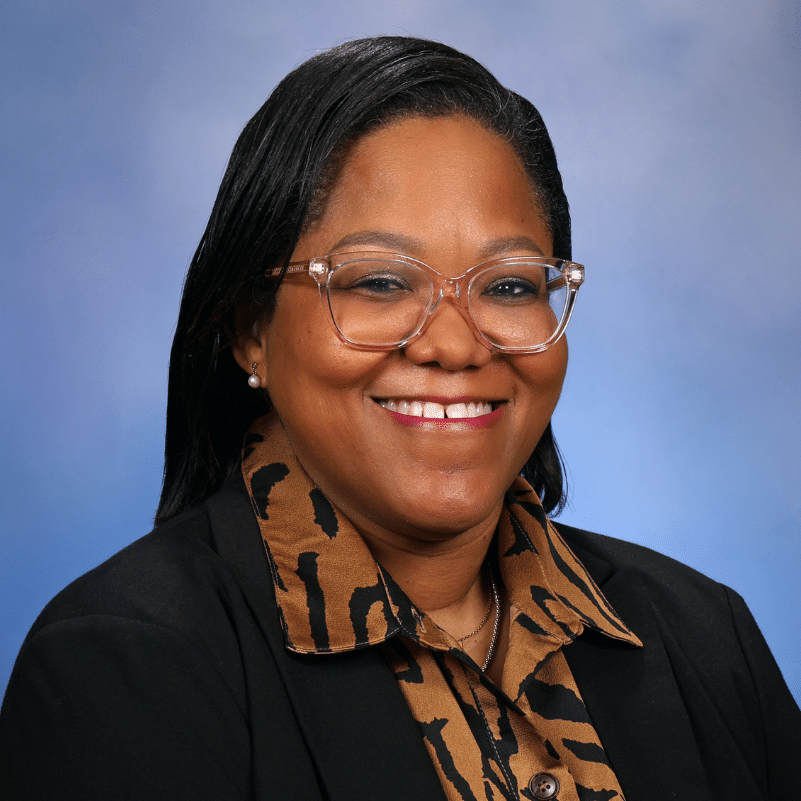
Rep. Kimberly Edwards
Sponsored bills
Maddy summaryThis bill requires Michigan domestic violence shelters receiving state funds to provide supportive services for common household pets, including pet shelter. It amends the domestic violence prevention law to add "supportive services for common household pets, including shelter" as one of the required service options. Shelters must either provide at least three of these services (including pet care) or help victims access them. This directly affects state-funded domestic violence shelters and their clients who own pets, addressing a common barrier to seeking safety.
Maddy summaryHB 5408 requires veterinarians to disclose specific information to animal owners before prescribing or dispensing medication. This includes the drug name, usage instructions, storage details (if available), common side effects, and relevant manufacturer warnings. Veterinarians must provide this either orally or in writing and document the disclosure method in the animal’s medical record. The requirement does not apply if the manufacturer hasn’t provided side effect information for the specific animal species. This bill directly affects veterinarians and animal owners in Michigan by standardizing medication disclosure practices.
Maddy summaryHB 5420 requires Michigan hospitals to include tests for specific substances in drug screens when diagnosing a drug overdose. It mandates that hospitals report anonymous test results to the Department of Health and Human Services (MDHHS), with results kept confidential and exempt from public disclosure. The MDHHS will define the list of "qualified substances" through rules (to be created within 180 days) and use the data to track trends and risk factors. This bill directly affects hospitals conducting overdose-related drug screens and the MDHHS, which will manage the reporting system and annual review of substances.
Maddy summaryHB 5389 modifies how Michigan manages state funds for specific projects (called "work projects"). It requires that such projects must have a clear purpose, specific plan, estimated cost, and completion date to qualify. The bill also changes the timeframe for unused funds to expire (48 months after the fiscal year ends) and gives the director authority to propose lapsing project accounts, but requires both legislative committees to disapprove such proposals within 30 days. Additionally, it mandates annual reports to committees detailing all active work project accounts, their balances, and any funds that lapsed.
Maddy summaryHB 5390 modifies Michigan's budget law to clarify rules for "work project" appropriations, which are funds designated for specific, time-bound projects. It requires all work projects to meet four criteria: a specific purpose, a clear plan, an estimated cost, and a completion date. The bill strengthens legislative oversight by allowing appropriations committees to disapprove the director's decisions to lapse funds or designate new work projects, requiring a two-thirds vote and committee hearings within 30 days. This affects state agencies managing project funds and legislative committees responsible for budget review.
Maddy summaryHB 5393 amends Michigan's unemployment benefits law to change how overpaid benefits are recovered. It requires the unemployment agency to issue a repayment demand within 3 years of a final determination about overpayment, and prohibits recovery actions after that deadline (except for suspected identity fraud). The bill creates specific waiver conditions where repayment may be forgiven, including cases of agency errors, low household income (below 150% of federal poverty guidelines), or unintentional wage reporting mistakes by employers. This directly affects unemployed Michiganders who received incorrect benefits, ensuring they aren't required to repay overpayments after the 3-year window unless fraud is involved.
Maddy summaryHB 5392 updates Michigan's unemployment benefits recovery process by expanding eligibility for claimants to request waivers of repayment for improperly paid benefits. It allows claimants 60 days after receiving an overpayment notice to submit evidence showing repayment would be "contrary to equity and good conscience," such as administrative errors by the agency, employer-provided incorrect wage data, or household income below 150% of the federal poverty level. The bill clarifies that waivers apply retroactively from the date of the error or application, and requires refunds for payments made after the waiver request. This directly affects individuals who received unemployment benefits they later had to repay due to agency or employer errors.
Maddy summaryHB 5357, the "Age-Appropriate Design Code Act," requires businesses meeting specific thresholds (e.g., $25 million+ annual revenue or handling data of 50,000+ consumers) to design online services, products, or features accessed by known minors (under 18) with privacy and safety as defaults. It prohibits "dark patterns" that manipulate user choices, bans collecting precise geolocation data without consent, and mandates age-appropriate settings for minors. The law applies to businesses operating in Michigan that process personal information of minors, creating civil penalties for violations. It establishes a fund to support enforcement and defines key terms like "known minor" and "business" to clarify compliance requirements.
Maddy summaryThis resolution symbolically recognizes December 13, 2025, as "National Wreaths Across America Day" in Michigan. It does not create new laws or policies but formally honors Michigan's participation in the non-profit Wreaths Across America's annual event, where volunteers place wreaths on veterans' graves. The resolution acknowledges that Michigan will host 96 locations across the state, with approximately 60,000 wreaths laid to honor fallen veterans, active-duty military, and their families. It serves as a ceremonial declaration of the state's support for this existing national observance.