

Maddy summaryHB 4421 amends Michigan's Natural Resources and Environmental Protection Act to require Department of Environment, Great Lakes, and Energy (DEGLE) agents to obtain a warrant or the property owner's consent before entering private property for enforcement activities. It explicitly states that the "open fields doctrine" (which typically allows warrantless searches in open areas) does not apply to DEGLE searches. This change directly affects DEGLE enforcement officers and property owners/occupants by imposing standard warrant requirements for all searches on private land. The policy shift ensures DEGLE must follow similar procedural rules as law enforcement when conducting inspections or investigations on private property.
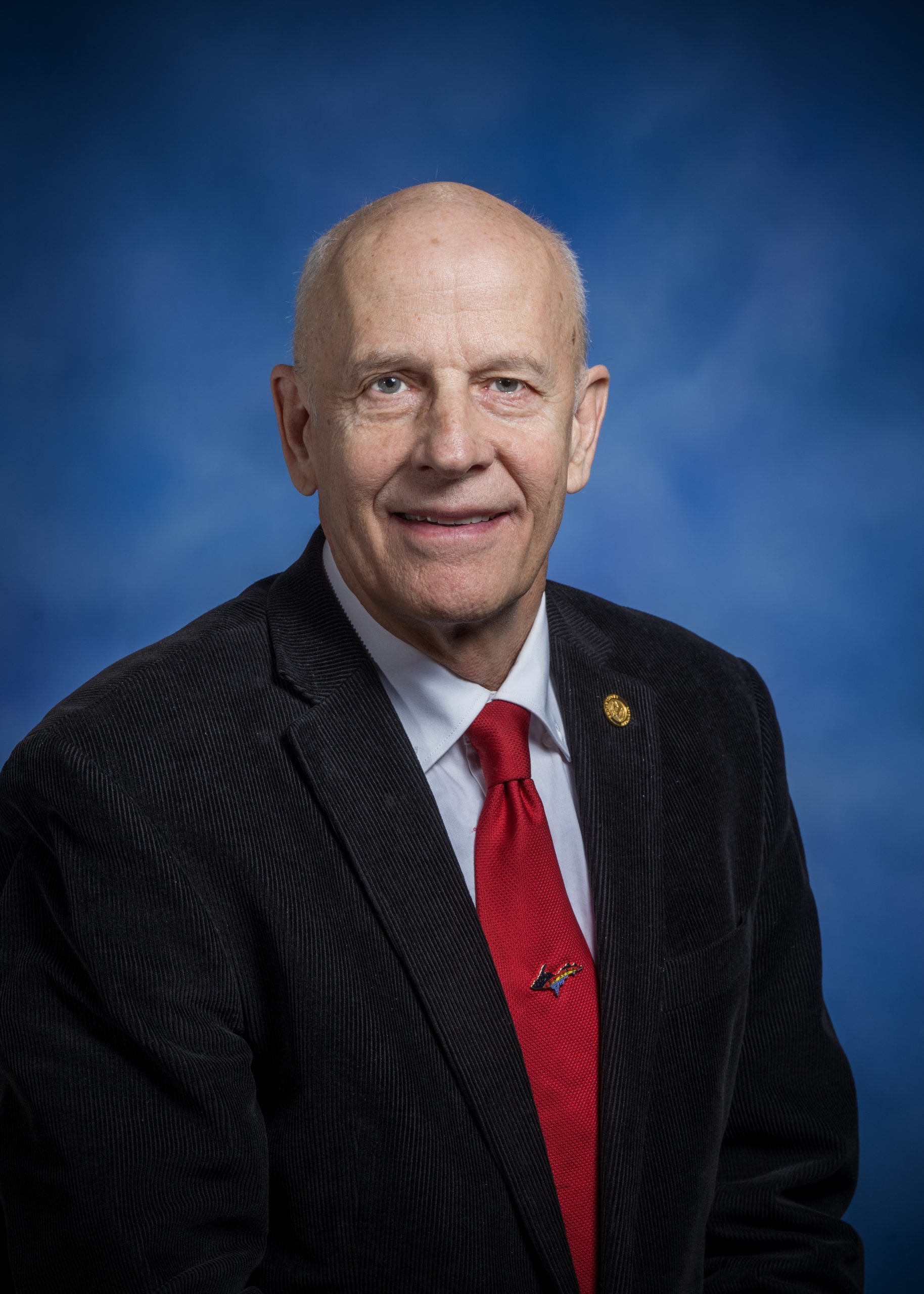
Rep. Karl Bohnak
Sponsored bills
Maddy summaryHB 4073 modifies Michigan's criminal procedure law to require specific warrant procedures for investigations involving the Department of Natural Resources (DNR). It amends Section 1602 of the Michigan Compiled Laws (MCL 324.1602) and adds a new Section 1507 to clarify warrant requirements for DNR officers conducting searches or seizures under environmental enforcement. This change directly affects DNR law enforcement actions, ensuring they follow defined judicial authorization processes for certain investigations. The bill passed the House on November 4, 2025, with 63 yeas and 37 nays.
Maddy summaryThis resolution (HR 209) formally declares November 2025 as "National Alzheimer's Awareness Month" within Michigan. It recognizes Alzheimer's disease as a critical health issue affecting over 200,000 Michiganders and 385,000 caregivers, citing it as the seventh leading cause of death in the U.S. and the only top-10 cause with no cure or prevention. The resolution serves as a symbolic recognition - without creating new laws, funding, or mandates - to honor those impacted by Alzheimer's and support ongoing research and awareness efforts. It aligns with the national observance established since 1983 but applies specifically to Michigan's legislative recognition.
Maddy summaryHB 4399 modifies Michigan law to expand the scope of practice for registered nurses certified as nurse practitioners. Specifically, it changes rules allowing these nurses to perform certain medical tasks - like diagnosing conditions and prescribing medications - without requiring direct physician oversight. The bill directly affects certified nurse practitioners in Michigan who currently face restrictions under existing law. It amends sections of the 1978 Public Health Code related to health occupations to clarify and broaden their authorized duties. The changes aim to adjust legal boundaries for these nurses' clinical responsibilities.
Maddy summaryHR 196 is a resolution demanding Michigan's Secretary of State comply with a federal request for an unredacted copy of the state's voter registration list, as required by the Civil Rights Act of 1960 and the National Voter Registration Act of 1993. It directly affects the Michigan Secretary of State's office by mandating disclosure of voter data within legal limits. The bill does not create new law but compels adherence to existing federal requirements for voter list transparency. This procedural resolution focuses solely on directing state compliance with federal mandates, not altering election policies.
Maddy summaryHB 5112 allows private individuals (not dealers) to electronically transfer ownership of watercraft and off-road vehicles through a state-run system, replacing paper title processes. It directly affects people buying or selling these vehicles privately, such as in personal sales. The bill authorizes Michigan’s Secretary of State to create and manage this electronic system, requiring private users to follow department-set procedures. This changes how non-dealer ownership transfers are handled for these vehicles.
Maddy summaryHB 5110 modifies Michigan's vehicle registration process by allowing drivers to use electronic proof of insurance instead of physical documents when renewing registration. Specifically, it permits insurers to transmit vehicle policy information to the Secretary of State every 14 days as valid proof of insurance, replacing the need for paper receipts. The bill also requires that temporary registration permits (issued while waiting for plates) be provided at no cost to applicants. All electronic insurance information submitted under this provision remains confidential and cannot be shared under Michigan's Freedom of Information Act, except for specific health department or court-related purposes.
Maddy summaryHB 5160 modifies Michigan's rules for personalized vehicle registration plates. It updates fee structures for obtaining (a $8 initial fee plus $2/month for additional months) and renewing (a $15 fee) personalized plates, and clarifies that duplicate plates cost an extra $5. The bill affects Michigan vehicle owners who request personalized plates for eligible vehicles like passenger cars, trucks, or motorcycles. It also specifies how fees fund transportation programs and sets rules for plate expiration and duplicate requests.
Maddy summaryHB 4591 allows Michigan to join a multi-state agreement (the "counseling compact") for licensed professional counselors. This compact enables Michigan-licensed counselors to practice in other participating states without obtaining separate licenses, while other states recognize Michigan licenses under uniform requirements. The agreement requires participating states to share disciplinary and licensure information to protect public safety, supports military spouses relocating with active duty service members, and facilitates telehealth services to improve access to counseling. It directly affects licensed professional counselors seeking to practice across state lines and expands access for residents in participating states.
Maddy summaryHB 4129 creates a program to award annual grants to graduates working in Michigan's nuclear or hydrogen energy sector. It provides up to $3,000 per year for three years to individuals who: (1) graduate from a qualifying STEM program (like engineering or skilled trades supporting nuclear/hydrogen facilities), and (2) work at a qualified facility in Michigan within one year of graduation. The program requires annual employment verification, with repayment required if employment ends or false information is provided (penalties include fines up to $1,000). Funds are managed through a dedicated state account administered by the Department of Labor and Economic Opportunity.