

Maddy summaryThis bill proposes adding specific sentencing guidelines for threats or assaults against designated caregivers at Michigan's Department of Health and Human Services. It directly affects individuals who commit violence or make threats against these caregivers by establishing clearer legal consequences for such acts. The legislation amends existing criminal procedure laws to include these new protections, ensuring caregivers receive appropriate legal safeguards. The bill is part of a series of related measures aimed at strengthening protections for state workers in vulnerable positions.
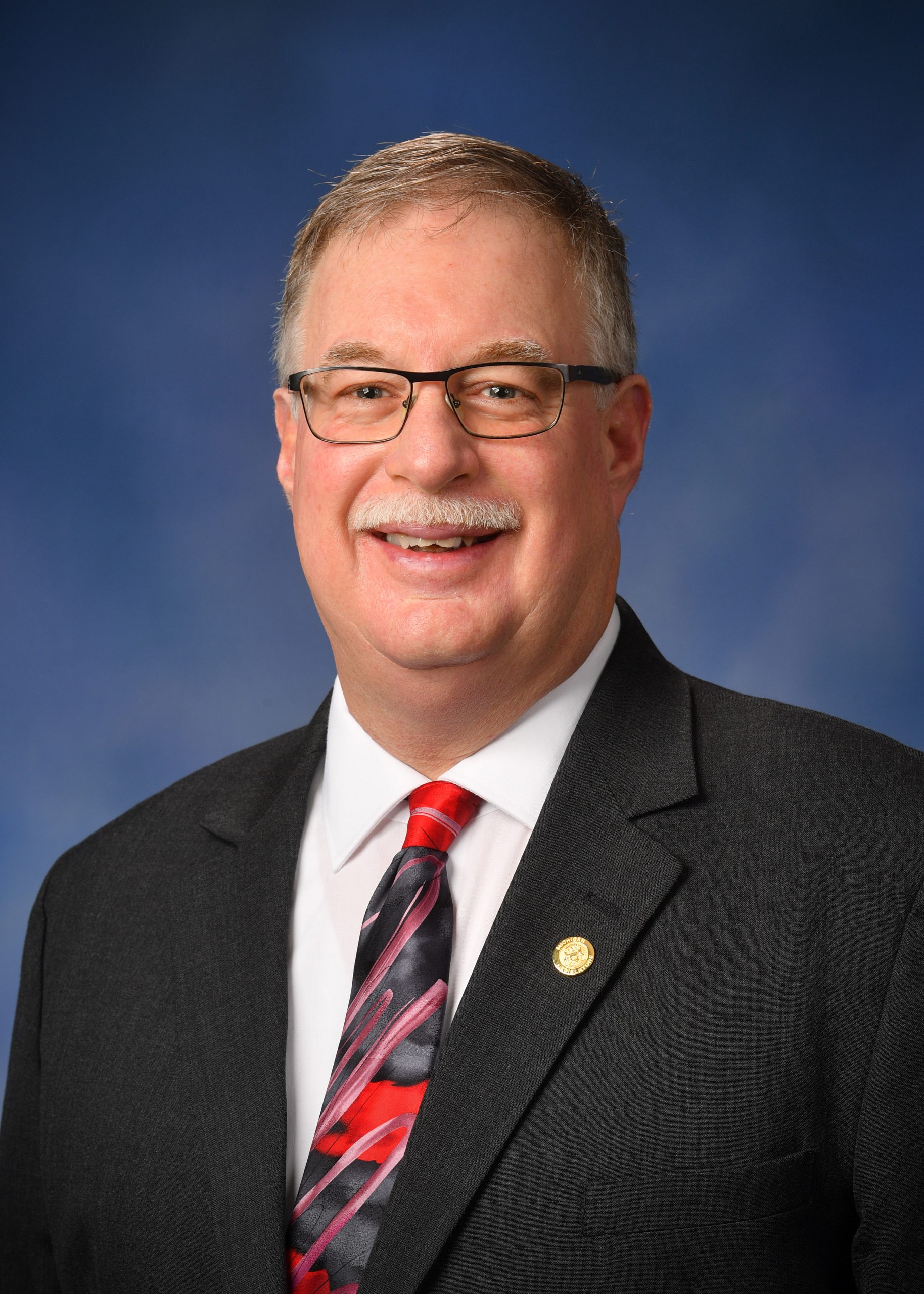
Rep. J.R. Roth
Sponsored bills
Maddy summaryThis bill requires nursing homes in Michigan to ensure all unlicensed staff members complete a fall prevention training program. The Michigan Department of Health and Human Services will develop and manage this training program in consultation with relevant health agencies. The law applies specifically to unlicensed personnel working in nursing home facilities, mandating they finish the required training. This change aims to standardize fall prevention education for non-licensed staff across the state's nursing homes.
Maddy summaryThis bill requires employers in Michigan to pay employees their regular hourly wage for time spent participating in mandatory fall prevention training programs. The law applies to any employer who must ensure their staff complete the fall prevention training established under state public health regulations. By compensating workers for this required training time, the bill aims to remove financial barriers that might prevent employees from completing safety education. The legislation creates a new legal requirement for wage payment specifically tied to fall prevention training participation.
Maddy summaryThis bill would add new protections for designated caregivers in Michigan's Department of Health and Human Services by creating specific criminal penalties for threats, intimidation, harassment, and physical assaults against them. It directly affects foster parents, kinship caregivers, fictive kin, and adoptive parents of children formerly in foster care, whether or not they receive payment for their care. The legislation establishes misdemeanor charges for threats, intimidation, or harassment, while creating felony charges for physical assaults that cause injury, with harsher penalties for serious bodily harm. The bill also clarifies legal definitions for harassment and intimidation while ensuring that convictions under this law do not prevent additional charges under other applicable laws.
Maddy summaryHB 5450 amends Michigan's Food Law to prohibit local governments (counties, cities, villages, or townships) from charging fees, taxes, or assessments for the operation of mobile food establishments, such as food trucks. This directly affects food truck operators by eliminating an additional cost imposed by local jurisdictions. The bill achieves this by modifying Section 3113 of the Food Law to explicitly ban such fees, while still requiring compliance with state-mandated fire inspections and licensing under existing regulations.
Maddy summaryHB 5451 requires food trucks (mobile food establishments) to undergo annual fire inspections and additional inspections after significant modifications to fire safety systems, such as kitchen equipment or fuel piping. It creates a public database tracking these inspections and mandates that operators notify fire inspectors within 30 days of license applications or modifications. The bill specifies that inspections must comply with the International Fire Code, with results valid for one year (limiting inspections to once annually unless safety concerns arise). This directly affects food truck operators, who must pay a $200 maximum fee for annual inspections but receive no charge for additional safety-related checks.
Maddy summaryThis House resolution calls on Congress to investigate individuals linked to Jeffrey Epstein and require them to testify under oath. It directly affects high-profile figures across technology, finance, real estate, and government who have been implicated in Epstein's criminal network. The resolution asserts that current Department of Justice actions have failed to protect survivors or fully disclose information, citing concerns over redacted names and unredacted photos of victims. It seeks to use congressional authority to compel testimony from those who participated in or covered up Epstein's crimes. The measure was introduced in March 2026 and referred to the Committee on Government Operations.
Maddy summaryHB 4593 prohibits dentists from representing themselves as a "dental specialist" or claiming specialization in specific dental areas without proper certification. This bill directly affects dentists who may use such titles in their practice or marketing. It amends Michigan law (MCL 333.16608) to add this restriction, making it illegal to use these terms under certain circumstances without meeting defined qualifications. The bill focuses on preventing misleading claims about specialty expertise in dental care.
Maddy summaryHB 4594 bans Michigan dentists from using the title "dental specialist" by amending state law (MCL 333.16605). This directly affects dentists who currently use or might seek to use that title, as it removes it as an allowable designation under the law. The bill's key provision eliminates the existing legal allowance for the term, requiring dentists to use only standard titles like "dentist" or recognized specialty designations (e.g., orthodontist). The bill is pending in committee after being referred to the Health Policy Committee and reported with a substitute.
Maddy summaryHB 5605 allocates state funding for public health programs under Michigan's Department of Health and Human Services (DHHS) for the fiscal year ending September 30, 2027. It establishes specific budget amounts to support existing public health initiatives, including disease prevention, health services, and community health programs. The bill directly affects DHHS operations and the public health programs funded through this appropriation. It does not create new policies but provides the necessary financial resources for current public health services during the 2026-2027 fiscal year.