

Maddy summaryThis bill creates a new tax credit for distributors of returnable beverage containers in Michigan, starting in the 2024 tax year. Eligible companies can claim a credit of $0.005 for each returnable container they sell, with the credit amount increasing annually based on the national Consumer Price Index. To receive the credit, distributors must submit specific reports to the state and can get a refund if the credit exceeds their tax liability. The legislation applies to various business structures, including partnerships and corporations, and defines key terms by referencing existing state laws.
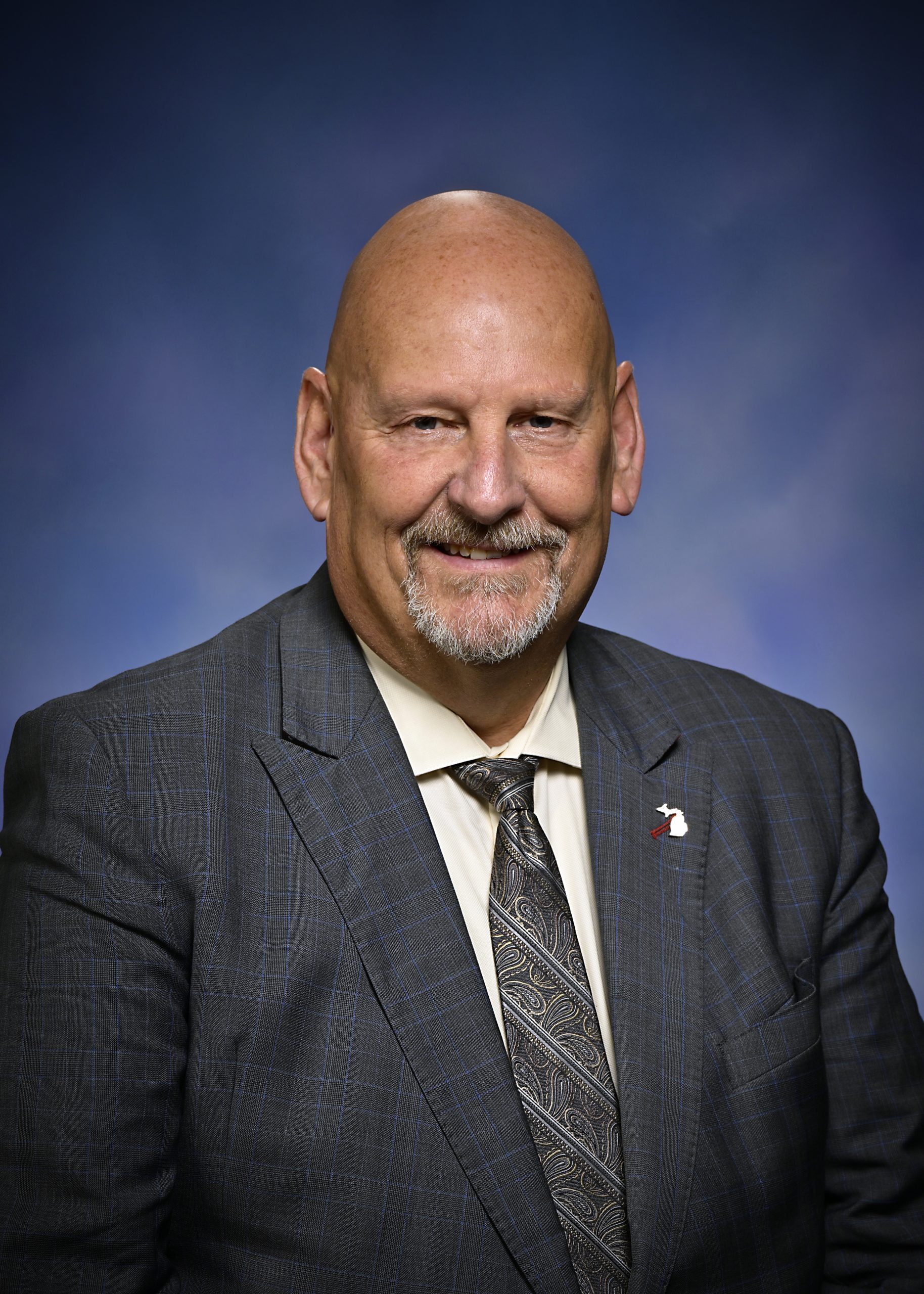
Rep. Curt VanderWall
Sponsored bills
Maddy summaryThis bill updates Michigan's Public Health Code to clarify how death records are certified and reported, primarily affecting funeral directors, physicians, and medical examiners. It establishes specific timelines, requiring medical certification to be completed within 48 hours of death and the filing of death records within 72 hours, while also mandating the use of a new web-based application system for submitting these reports. The legislation defines key terms such as "institution" and "miscarriage" and outlines a hierarchy of who can certify a death if the attending physician is unavailable, ranging from authorized representatives to pathologists. Additionally, the bill includes a provision to protect the privacy of infants who were born alive following an attempted abortion and subsequently died, ensuring their records are filed without identifying information for parents or informants.
Maddy summaryThis bill modifies Michigan laws to clarify when county medical examiners must investigate deaths and how they should be notified by healthcare providers. It requires an investigation if a death results from violence, occurs unexpectedly, happens without recent medical care, or involves an abortion, while also mandating immediate notification for sudden or suspicious deaths. The legislation grants medical examiners the authority to subpoena records for investigations and ensures that such records remain confidential under the freedom of information act. Additionally, it introduces a specific requirement for notifying examiners if multiple individuals with similar physical characteristics are involved in the same incident.
Maddy summaryThis bill proposes a new tax credit for Michigan residents purchasing a single-family home as their primary residence starting in the 2025 tax year. Eligible taxpayers can claim a credit equal to 10% of their down payment, capped at a maximum of $3,000, provided they attach a copy of the settlement statement to their annual tax return. The legislation defines a qualifying home to include manufactured homes, trailers, mobile homes, condominiums, and cooperatives that are owned and occupied by the buyer.
Maddy summaryHB 5810 amends the Michigan Child Care Licensing Act to update the legal definitions of key terms related to child care facilities and staff. The bill clarifies who qualifies as a "child care staff member" and provides more precise descriptions for various settings, such as child care centers, therapeutic group homes, and children's camps. By refining these definitions, the legislation aims to ensure that licensing standards and regulations apply consistently to the specific types of organizations and individuals involved in caring for minors. This change affects child care providers, regulators, and families by establishing clearer boundaries for which facilities and personnel fall under the state's oversight.
Maddy summaryThis bill modifies Michigan's high school graduation requirements by mandating that students complete a half-credit course in personal finance to earn a diploma. Starting with the class entering eighth grade in 2023, schools must offer this course, which can count toward existing math, arts, or foreign language credits. The legislation allows the personal finance class to be fulfilled through traditional coursework or approved career and technical education programs. These changes directly affect public school districts and academies by updating the specific academic standards students must meet before graduating.
Maddy summaryThis resolution urges Congress to pass a law that would temporarily freeze the minimum wage required for H-2A temporary foreign agricultural workers in Michigan. It directly affects Michigan farmers who rely on this program to staff their operations due to a shortage of domestic labor. The bill proposes keeping the wage rate set at $18.50 per hour through the end of 2025, rather than allowing it to increase annually. Supporters argue that freezing this rate will help reduce rising farm costs and prevent potential farm closures.
Maddy summaryThis resolution designates June 2024 as Professional Pest Management Month in Michigan to highlight the importance of pest control for public health and safety. The bill aims to raise awareness among citizens about the role pest management professionals play in protecting homes, businesses, and the environment from pests and diseases. It specifically recognizes the efforts of the Michigan Pest Management Association and the National Pest Management Association in promoting safe and effective pest control practices.
Maddy summaryThis resolution officially designates June 2024 as Dairy Month in Michigan to honor the state's dairy industry and its economic and nutritional contributions. The measure highlights the sector's role in providing jobs, producing milk, and supporting public health through nutritious food products. By adopting this declaration, the legislative body aims to raise awareness about the importance of dairy in a balanced diet without proposing any changes to existing laws or regulations.
Maddy summaryThis bill creates a new program to enforce federal standards for asbestos emissions during building renovations and demolitions in Michigan. It requires owners or operators to pay a $100 notification fee and a $10 modification fee for each change to their project plans, with public entities allowed to pass these costs to contractors under certain conditions. The state will use the collected fees to fund mandatory inspections, starting with 15% of projects in 2023 and 2024, and gradually increasing to 25% of projects by 2027. All revenue generated from these fees will be deposited into a dedicated state fund used exclusively for asbestos-related inspection activities.