

Issue · Healthcare
Healthcare
Every healthcare bill, vote, and legislator stance in Michigan, automatically classified by Maddy, our AI policy reader.
Total bills
530
2025-2026 Regular Session
Top supporter
Veronica Klinefelt
96% support rate
Top opponent
Jim Runestad
8% support rate
Ranked legislators
10
5 support · 5 oppose
Key legislators
Who's moving healthcare in Michigan
| Legislator | Party | Stance | Support rate | Votes |
|---|---|---|---|---|

Veronica Klinefelt
Senate · District 11
|
D |
Strong +
|
96% | 60 |
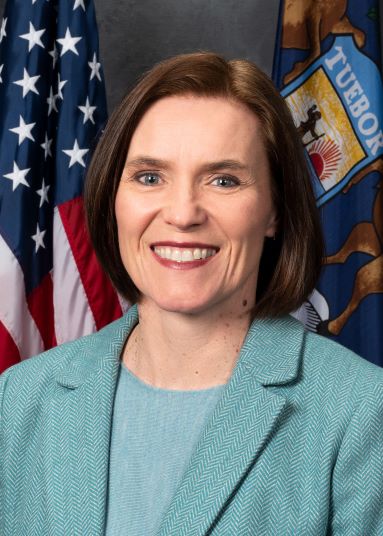
Winnie Brinks
Senate · District 29
|
D |
Strong +
|
93% | 64 |

Mallory McMorrow
Senate · District 8
|
D |
Strong +
|
93% | 60 |
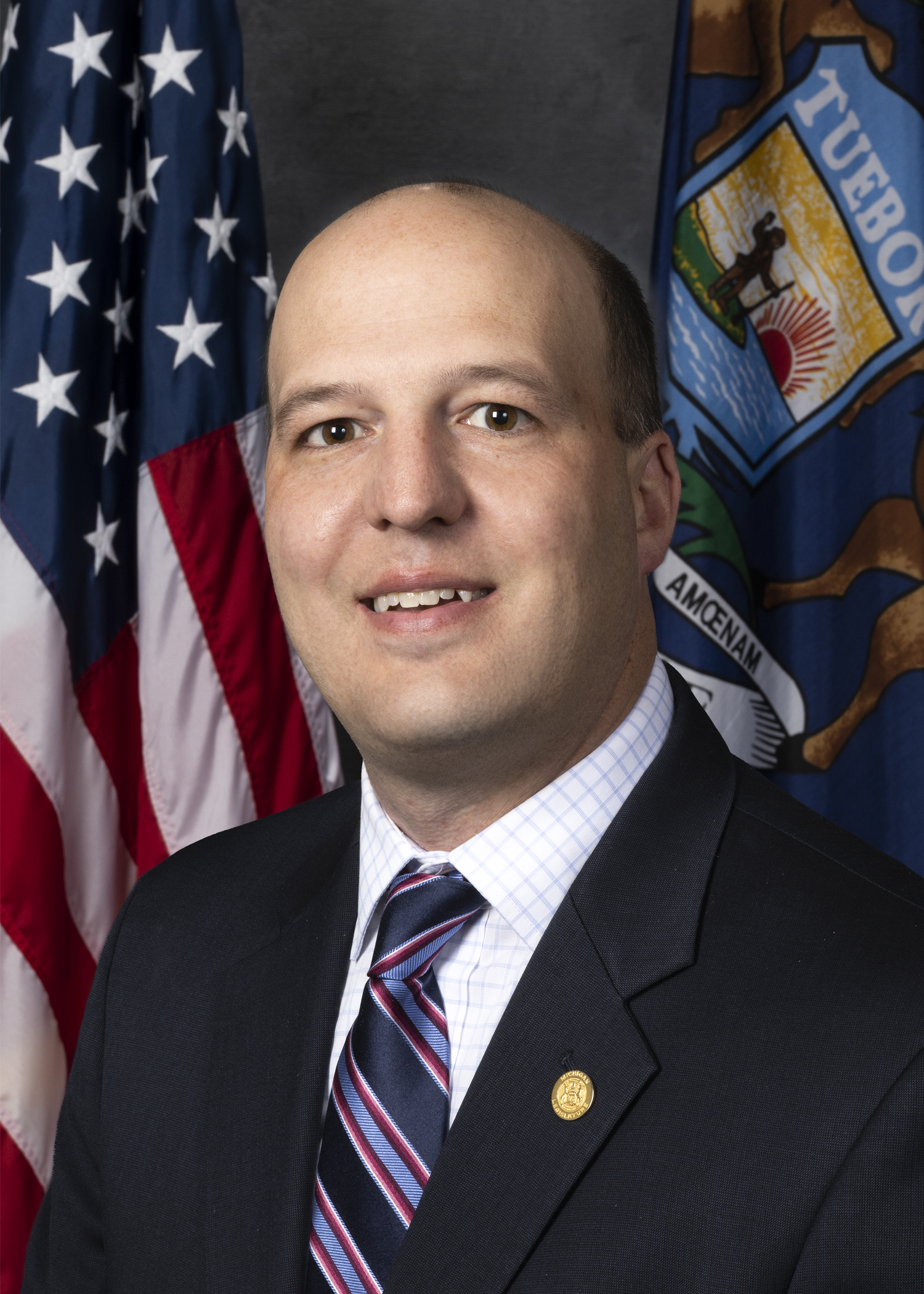
Kevin Hertel
Senate · District 12
|
D |
Strong +
|
93% | 63 |
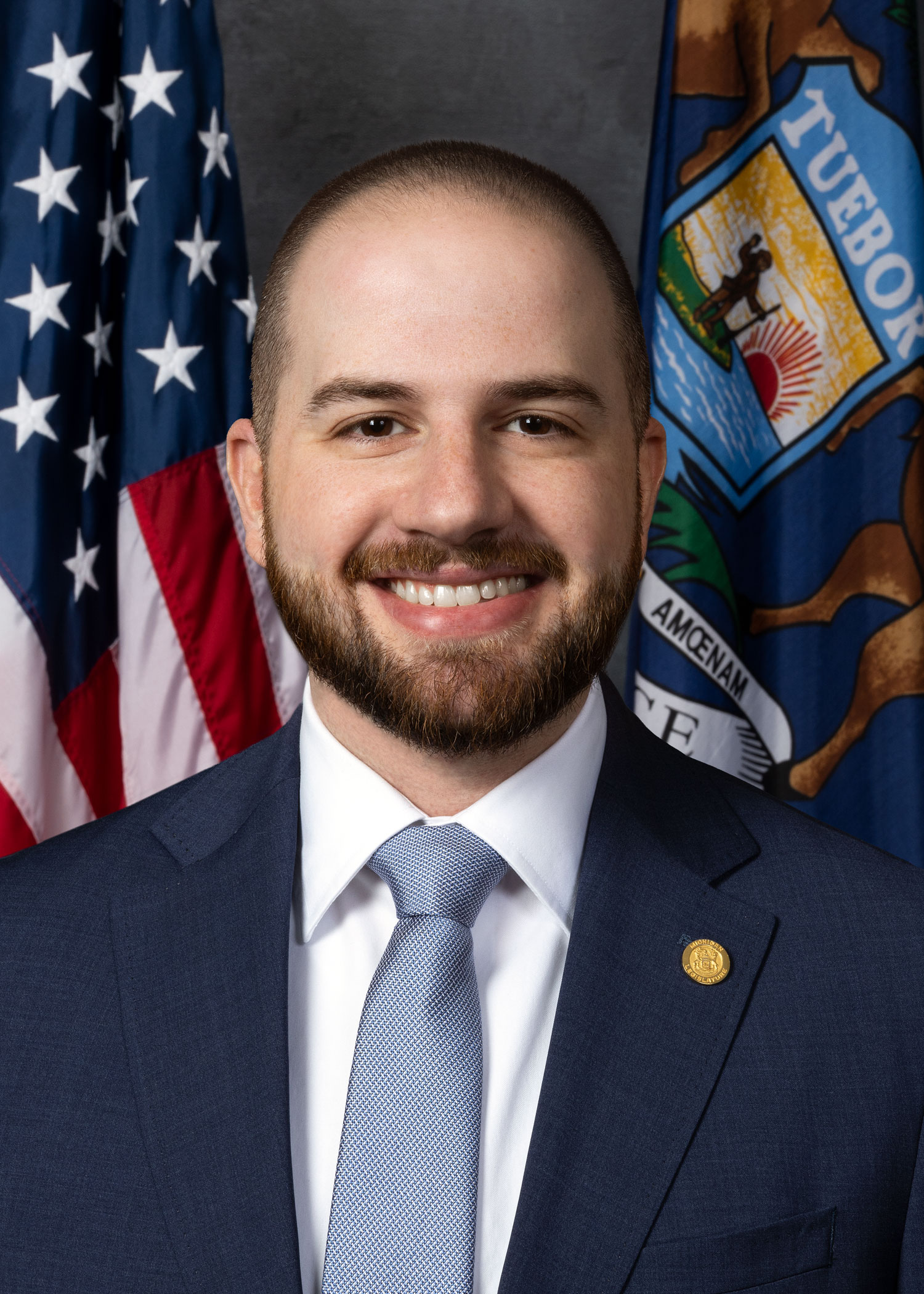
Jeremy Moss
Senate · District 7
|
D |
Strong +
|
93% | 62 |
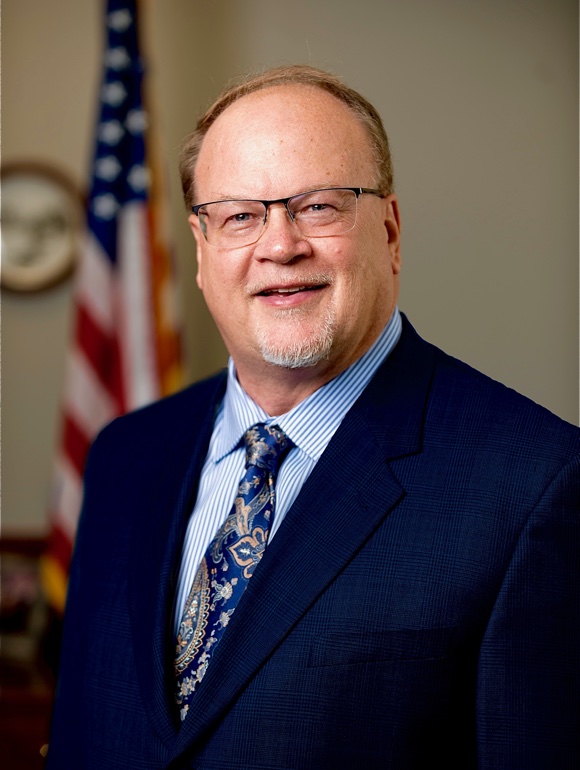
Jim Runestad
Senate · District 23
|
R |
Strong −
|
8% | 49 |

Michele Hoitenga
Senate · District 36
|
R |
Strong −
|
17% | 62 |
Dan Lauwers
Senate · District 25
|
R |
Strong −
|
17% | 63 |

Thomas Albert
Senate · District 18
|
R |
Strong −
|
17% | 61 |

Lana Theis
Senate · District 22
|
R |
Strong −
|
19% | 59 |
Showing 251–260 of 530
bills
All healthcare bills
SB 156: Legislature: legislative agencies; office of legislative corrections ombudsman; expand powers and duties. Amends secs. 1, 4, 5, 7, 11, 12, 13 & 14 of 1975 PA 46 (MCL 4.351 et seq.).
Topics
✓ Criminal JusticeSupports Criminal JusticeExpands oversight authority of corrections ombudsman to investigate complaints, access medical/mental health records, and conduct facility inspections without restrictions, enhancing transparency and accountability in corrections.
✓ HealthcareSupports HealthcareExpands oversight of prisoner medical/mental health records, enhancing accountability in correctional healthcare services without requiring releases.
HB 4659: Retirement: state employees; naming a special needs trust as beneficiary; allow. Amends sec. 31 of 1943 PA 240 (MCL 38.31).
Topics
✓ HealthcareSupports HealthcareAllows special needs trusts for retirement beneficiaries, preserving Medicaid eligibility and access to healthcare services without disrupting benefits.
✓ Labor & EmploymentSupports Labor & EmploymentExpands retirement beneficiary options for state employees with disabled family members, protecting Medicaid eligibility while maintaining retirement benefits - directly advancing worker benefit protections.
Sub-Topics
Retirement Benefits
HB 4686: Crimes: controlled substances; creating, manufacturing, possessing, or using psilocybin or psilocin; allow under certain circumstances. Amends 1978 PA 368 (MCL 333.1101 - 333.25211) by adding sec. 7404a.
Sub-Topics
Public Health
HB 4870: Education: meals; free school lunch and breakfast program; create. Amends 1976 PA 451 (MCL 380.1 - 380.1852) by adding sec. 1271.
Topics
✓ EducationSupports EducationCreates universal free school meals for K-12 and special education students, expanding access and support while leveraging federal funding to strengthen educational access without restrictions.
✓ HealthcareSupports HealthcareAccommodates documented medical dietary needs, advancing nutrition as a public health service within school meal programs.
HB 4227: Education: safety; 1 emergency and safety manager and at least 1 mental health coordinator; require each intermediate school district to employ. Amends 1976 PA 451 (MCL 380.1 - 380.1852) by adding sec. 1308g.
Topics
✓ EducationSupports EducationMandates safety and mental health staff to enhance school safety and student support services, strengthening educational environment and student well-being.
✓ HealthcareSupports HealthcareMandates mental health coordinators to manage student mental health services, integrate community resources, and oversee Medicaid billing - directly advancing mental health care access in schools.
HB 4764: Worker's compensation: benefits; presumption of certain injuries and coverage under the Christopher R. Slezak first responder presumed coverage fund; modify to include certain medical examiners. Amends sec. 405 of 1969 PA 317 (MCL 418.405).
Topics
✓ HealthcareSupports HealthcareExpands worker's comp coverage for medical examiners, presuming specific cancers as work-related, strengthening healthcare benefits for this healthcare workforce group.
✓ Labor & EmploymentSupports Labor & EmploymentExpands worker's compensation benefits for medical examiners by presuming work-related cancer claims, reducing burden of proof and strengthening protections.
Sub-Topics
Workers' Compensation
HB 4165: Health occupations: psychologists; supervised postgraduate experience requirements; modify. Amends sec. 18223 of 1978 PA 368 (MCL 333.18223).
HB 4432: Individual income tax: credit; qualified volunteers credit; create. Amends 1967 PA 281 (MCL 206.1 - 206.847) by adding sec. 282.
Topics
✓ Budget & TaxesSupports Budget & TaxesCreates refundable tax credit for EMS volunteers, providing direct tax relief for public service workers.
✓ HealthcareSupports HealthcareProvides $2,500 tax credit to volunteer EMS personnel, strengthening emergency medical services workforce stability and access to critical healthcare response.
HCR 3: A concurrent resolution to urge Congress to amend 38 U.S.C. § 5304 and 10 U.S.C. § 12316 to permit members of the United States reserves and National Guard to receive full or partial active service pay in tandem with disability compensation from the Department of Veterans Affairs.
Topics
✓ HealthcareSupports HealthcareBill enables veterans to retain VA disability compensation (healthcare-related benefit) alongside military pay, improving access to healthcare services without financial penalty.
✓ VeteransSupports VeteransBill seeks to amend federal law to allow National Guard/reserve members to receive both active duty pay and VA disability compensation simultaneously, removing a current restriction that forces veterans to choose between benefits.