Issue · Healthcare

Healthcare

Every healthcare bill, vote, and legislator stance in Michigan, automatically classified by Maddy, our AI policy reader.

Total bills
530
2025-2026 Regular Session
Top supporter
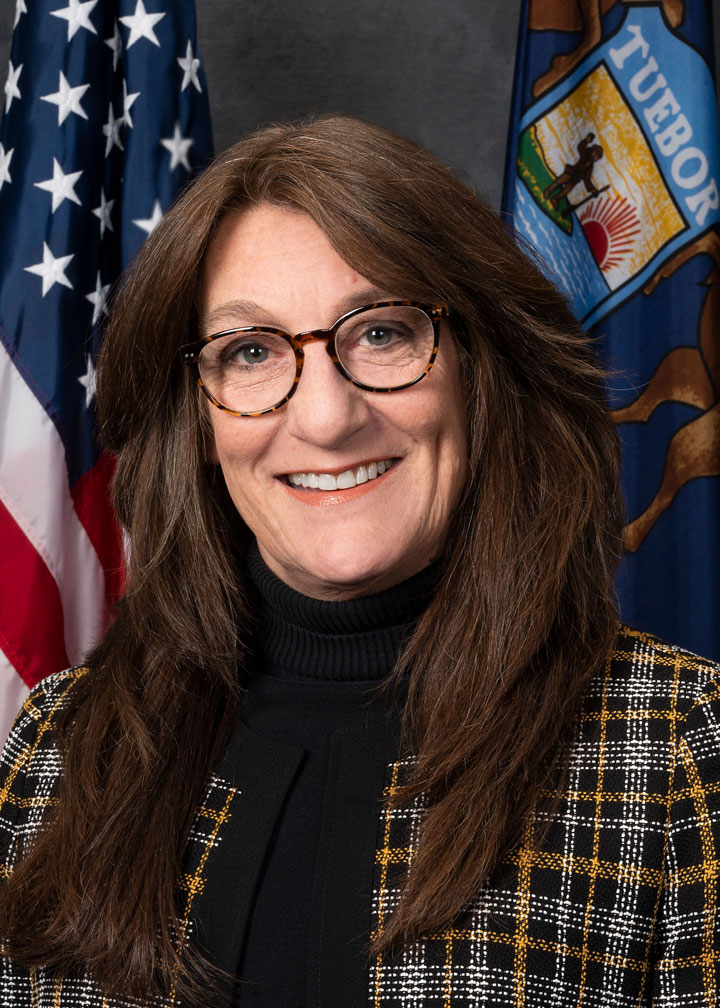
Veronica Klinefelt
96% support rate
Top opponent
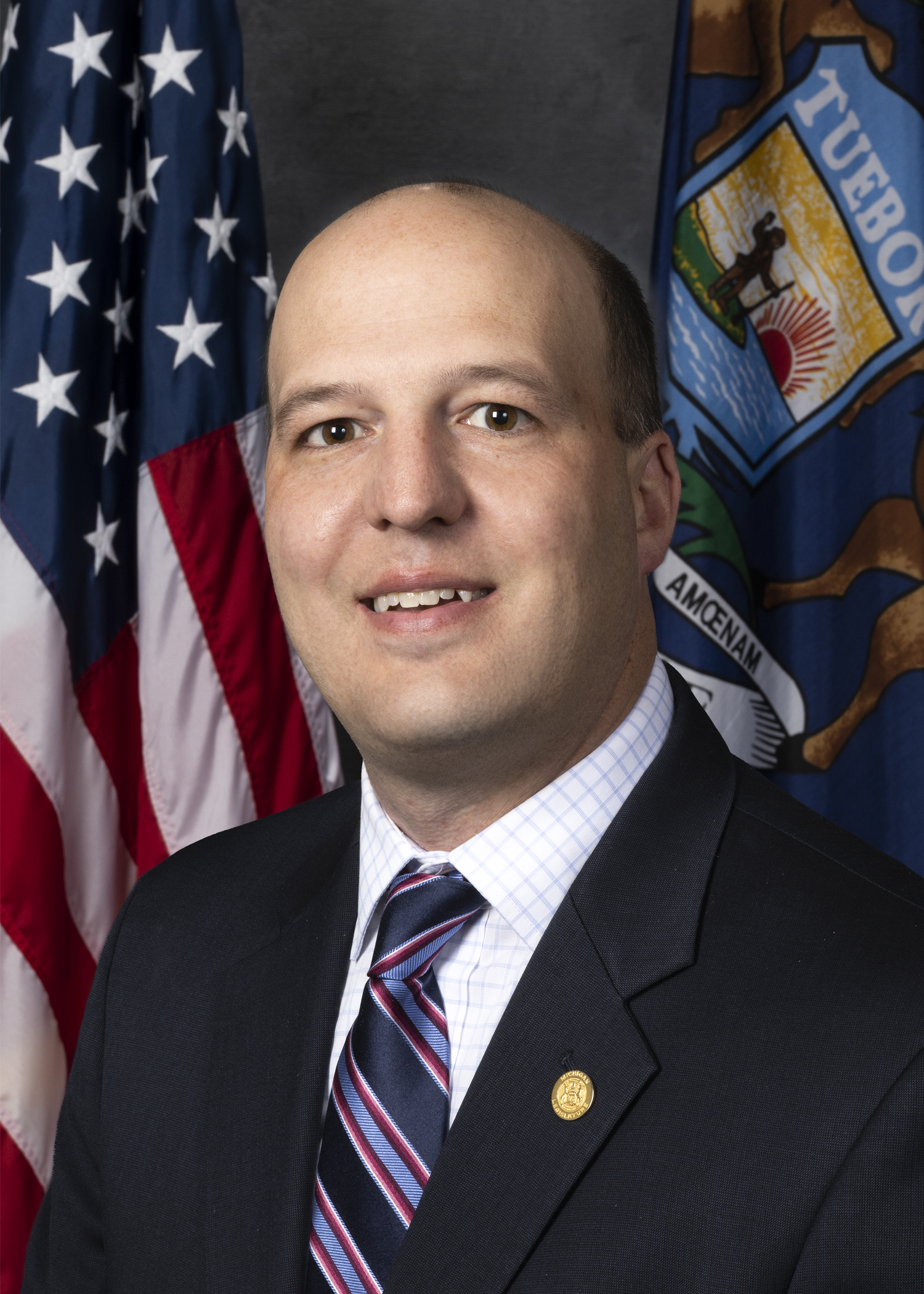
Jim Runestad
8% support rate
Ranked legislators
10
5 support · 5 oppose
Key legislators

Who's moving healthcare in Michigan

Legislators moving healthcare in Michigan
Legislator Party Stance Support rate Votes
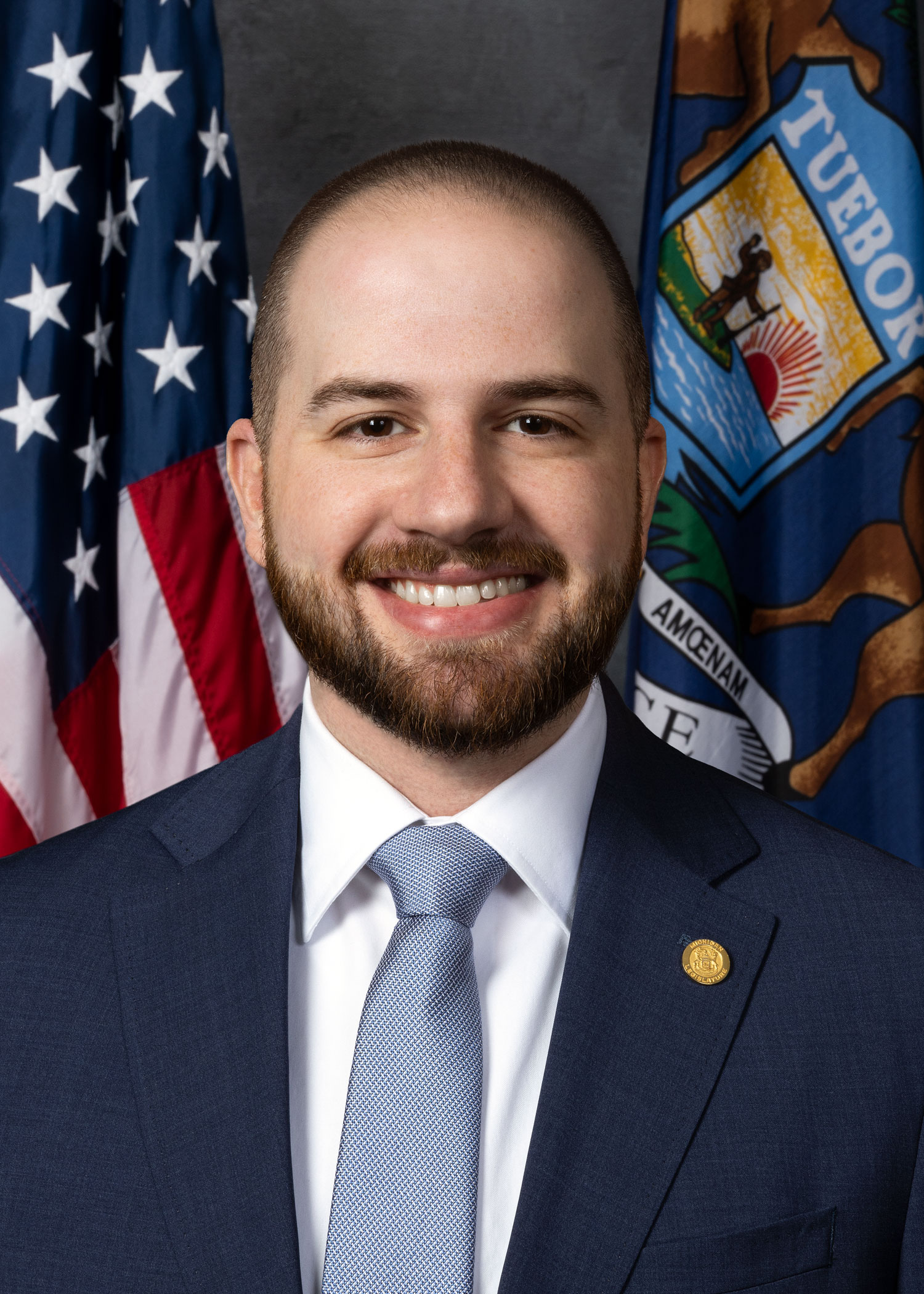
Veronica Klinefelt
Veronica Klinefelt Senate · District 11
D
Strong +
96% 60
Winnie Brinks
Winnie Brinks Senate · District 29
D
Strong +
93% 64
Mallory McMorrow
Mallory McMorrow Senate · District 8
D
Strong +
93% 60
Kevin Hertel
Kevin Hertel Senate · District 12
D
Strong +
93% 63
Jeremy Moss
Jeremy Moss Senate · District 7
D
Strong +
93% 62
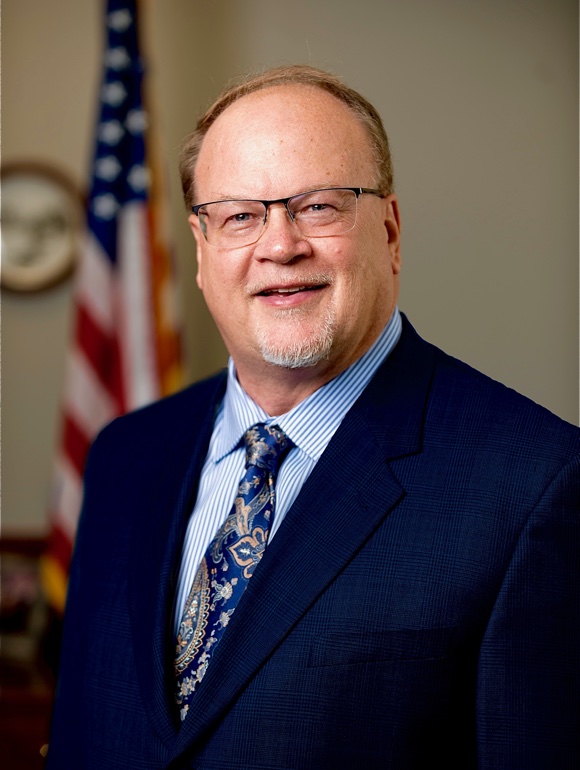
Jim Runestad
Jim Runestad Senate · District 23
R
Strong −
8% 49
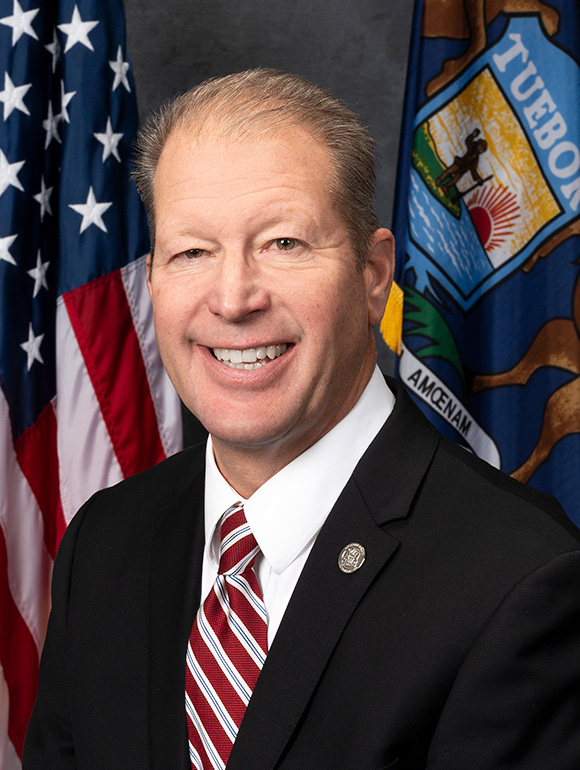
Michele Hoitenga
Michele Hoitenga Senate · District 36
R
Strong −
17% 62
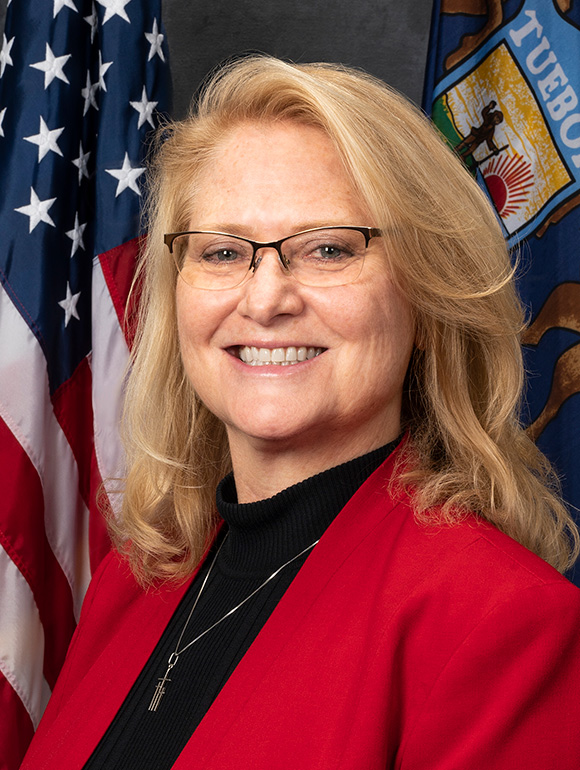
Dan Lauwers
Dan Lauwers Senate · District 25
R
Strong −
17% 63
Thomas Albert
Thomas Albert Senate · District 18
R
Strong −
17% 61
Lana Theis
Lana Theis Senate · District 22
R
Strong −
19% 59
Showing 131–140 of 530 bills

All healthcare bills

passed · Michigan · House Apr 21, 2026

HR 287: A resolution to declare April 11-17, 2026, as Black Maternal Health Week in the state of Michigan.

This legislative resolution designates April 11-17, 2026, as Black Maternal Health Week within the state of Michigan. It encourages residents and community organizations to hold programs and conversations focused on maternal health awareness during that period. The bill does not establish new regulations or funding but serves as a formal declaration to recognize the issue.
Sub-Topics Women's Health
passed · Michigan · Senate Mar 17, 2026

SR 100: A resolution to urge the federal government to issue clarifying rules or guidance explaining that claims applicable to state surprise billing laws must go through the state dispute resolution process, rather than the federal independent dispute resolution process.

This Senate resolution asks the federal government to clarify that medical billing disputes covered by Michigan's surprise billing laws must be handled through Michigan's state dispute process instead of the federal independent dispute resolution system. The bill directly affects healthcare providers, insurance companies, and patients in Michigan who face unexpected medical bills from out-of-network services. It highlights concerns that providers are increasingly using the federal process for claims that should go through state procedures, potentially leading to higher payments and increased costs for consumers. The resolution urges federal agencies to issue guidance ensuring claims subject to state surprise billing protections are properly directed to state arbitration rather than federal review.
in committee · Michigan · House Mar 19, 2026

HB 5757: Medical marihuana: caregivers; marihuana plants; decrease number that can be cultivated, and limit number of caregiver registrations per address. Amends secs. 3, 4 & 6 of 2008 IL 1 (MCL 333.26423 et seq.).

This bill amends Michigan's Medical Marihuana Act to clarify definitions and limit the number of medical marijuana plants that can be grown at a single address. It directly affects registered qualifying patients and their designated primary caregivers by establishing stricter rules for plant cultivation and caregiver registration per location. The key provisions include updated definitions for terms like "enclosed, locked facility" and "usable marihuana," while also specifying requirements for physician-patient relationships and caregiver eligibility. The legislation aims to provide clearer guidance on compliance with state medical marijuana regulations without changing the fundamental rights of patients or caregivers under the existing program.
in committee · Michigan · House Jun 16, 2026

HB 5724: Children: services; residential treatment plans; require the department to observe. Amends 1939 PA 288 (MCL 710.21 - 712B.41) by adding sec. 18u to ch. XIIA.

This bill requires Michigan's department of health and human services to place children in residential treatment programs within 14 days when a court orders such placement. It directly affects children involved in the state's child welfare system and the agencies responsible for their care. The law adds a specific timeline to existing statutes, ensuring faster action on court-ordered treatment plans. This change aims to reduce delays in getting children into appropriate care settings.
Tags Children
passed · Michigan · House Jun 3, 2026

HB 5774: Health: children; referral of certain children to the early on program; require. Amends 1978 PA 368 (MCL 333.1101 - 333.25211) by adding pt. 58B.

This bill requires health professionals caring for infants diagnosed with fetal alcohol spectrum disorder to refer the child's parent or guardian to Early On Michigan, a program that supports families with young children with developmental disabilities. It defines fetal alcohol spectrum disorder as a range of conditions resulting from prenatal alcohol exposure, including fetal alcohol syndrome and related neurodevelopmental disorders. The legislation applies to health professionals managing infant care and directs them to connect families with Early On Michigan services upon diagnosis. The bill also authorizes the state department to create rules necessary to implement these referral requirements.
in committee · Michigan · House Jun 24, 2026

HB 5736: Health: licensing; references to licenses for certain substance use disorder services programs in the patient’s right to independent review act; modify to include those exempt from licensure. Amends sec. 3 of 2000 PA 251 (MCL 550.1903). TIE BAR WITH: HB 5729'26

This bill amends Michigan's Patient's Right to Independent Review Act to clarify which substance use disorder services programs qualify as facilities under the law. It specifically updates the definition of "facility" to include programs that are exempt from licensure under state public health regulations, alongside those that are currently licensed. The change ensures that patients receiving care from both licensed and exempt substance use disorder programs have the same access to external review processes when their health care services are denied or terminated. This update applies to health carriers and their designated review organizations, expanding the scope of facilities eligible for independent review protections.
in committee · Michigan · House Mar 10, 2026

HB 5686: Criminal procedure: sentencing guidelines; sentencing guidelines for threats or assaults against department of health and human services designated caregiver; provide for. Amends sec. 16d, ch. XVII of 1927 PA 175 (MCL 777.16d). TIE BAR WITH: HB 5684'26, HB 5685'26

This bill proposes adding specific sentencing guidelines for threats or assaults against designated caregivers at Michigan's Department of Health and Human Services. It directly affects individuals who commit violence or make threats against these caregivers by establishing clearer legal consequences for such acts. The legislation amends existing criminal procedure laws to include these new protections, ensuring caregivers receive appropriate legal safeguards. The bill is part of a series of related measures aimed at strengthening protections for state workers in vulnerable positions.
Sub-Topics Sentencing
passed · Michigan · House Jun 24, 2026

HB 5738: Health: licensing; references to licenses for certain substance use disorder services programs in the adult foster care facility licensing act; modify to include those exempt from licensure. Amends secs. 3 & 26a of 1979 PA 218 (MCL 400.703 & 400.726a). TIE BAR WITH: HB 5729'26

This bill amends Michigan's adult foster care facility licensing act to clarify how substance use disorder treatment programs are classified under the law. It specifically updates definitions in the statute to include facilities that are exempt from licensure as substance use disorder services programs, ensuring they are properly recognized within the adult foster care framework. The changes affect licensing requirements and regulatory oversight for homes and facilities that provide both foster care and substance use disorder treatment services. By modifying existing sections of the act, the bill aligns the licensing rules with current practices for co-occurring care programs without changing the core licensing standards themselves.
in committee · Michigan · Senate Mar 10, 2026

SB 828: Traffic control: parking; determination of disability for purpose of obtaining a disability placard by nurse practitioners; allow. Amends secs. 19a, 675, 803d & 803h of 1949 PA 300 (MCL 257.19a et seq.).

This bill allows nurse practitioners to determine disability status for individuals seeking parking placards in Michigan, expanding the list of medical professionals authorized to certify disabilities. The legislation amends existing vehicle code sections to include nurse practitioners alongside physicians, physician assistants, physical therapists, occupational therapists, and optometrists as qualified providers for disability determinations. It does not change the specific medical criteria for qualifying disabilities or the rules governing parking placards, but rather broadens who can officially verify that a person meets those criteria. The bill affects disabled individuals who need parking accommodations and healthcare providers who may issue these certifications.
passed · Michigan · House Mar 12, 2026

HR 261: A resolution to declare March 12, 2026, as Endometriosis Awareness Day in the state of Michigan.

This bill designates March 12, 2026, as Endometriosis Awareness Day in Michigan to raise public understanding of the condition. It does not change laws or allocate funding but serves as a symbolic gesture to highlight the health challenges faced by individuals with endometriosis. The resolution encourages education and support for those affected by the disease without implementing new policies or regulations.
Showing 131 to 140 of 530 bills
Previous 1 13 14 15 53 Next