

Issue · Education
Education
Every education bill, vote, and legislator stance in Michigan, automatically classified by Maddy, our AI policy reader.
Total bills
306
2025-2026 Regular Session
Top supporter
Sean McCann
95% support rate
Top opponent
Michele Hoitenga
11% support rate
Ranked legislators
10
5 support · 5 oppose
Key legislators
Who's moving education in Michigan
| Legislator | Party | Stance | Support rate | Votes |
|---|---|---|---|---|
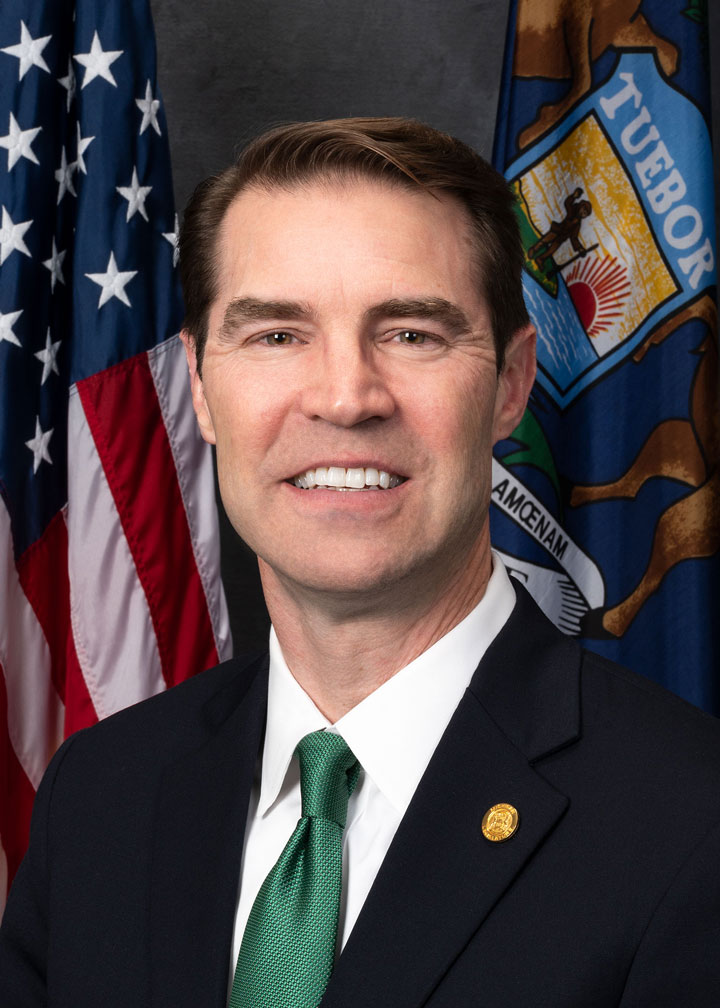
Sean McCann
Senate · District 19
|
D |
Strong +
|
95% | 55 |

Winnie Brinks
Senate · District 29
|
D |
Strong +
|
95% | 56 |

Sarah Anthony
Senate · District 21
|
D |
Strong +
|
95% | 56 |
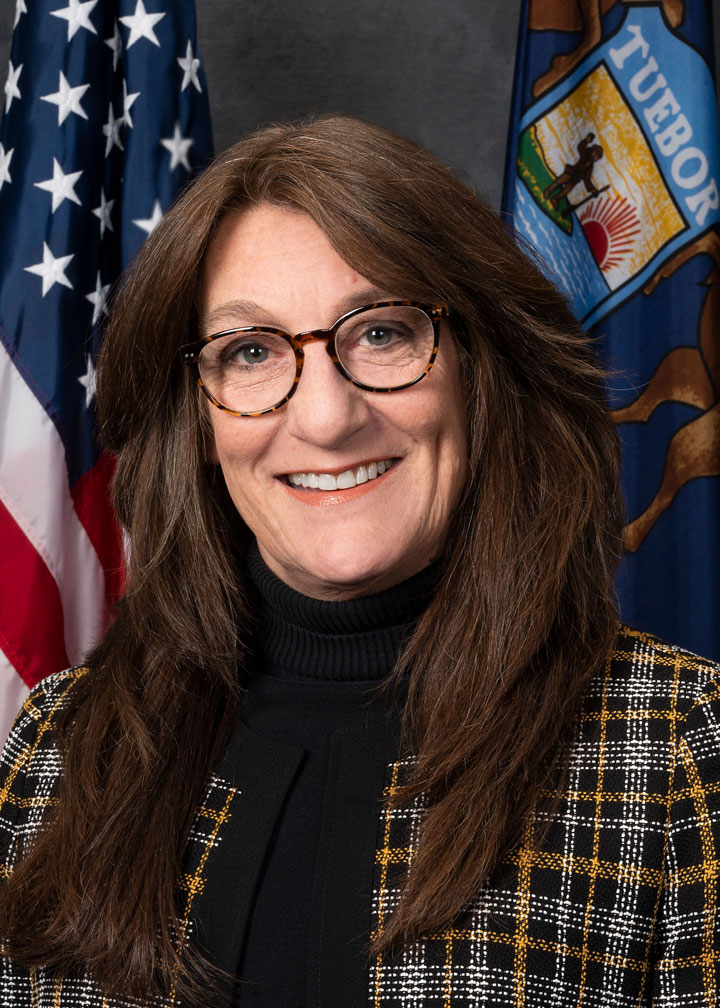
Veronica Klinefelt
Senate · District 11
|
D |
Strong +
|
95% | 54 |
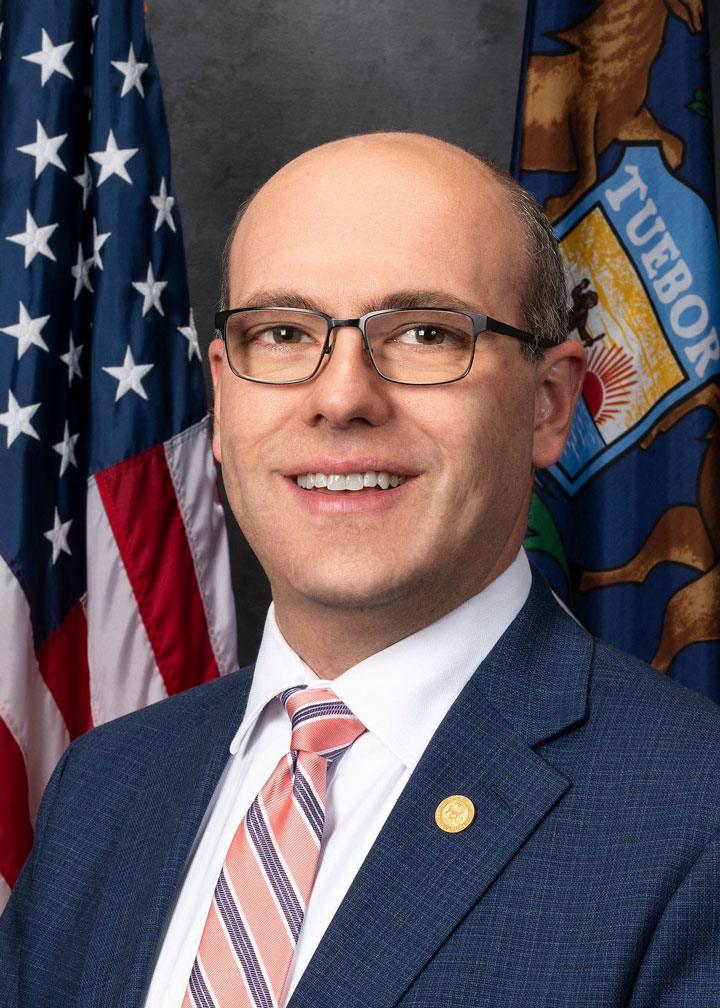
John Cherry
Senate · District 27
|
D |
Strong +
|
95% | 55 |

Michele Hoitenga
Senate · District 36
|
R |
Strong −
|
11% | 53 |
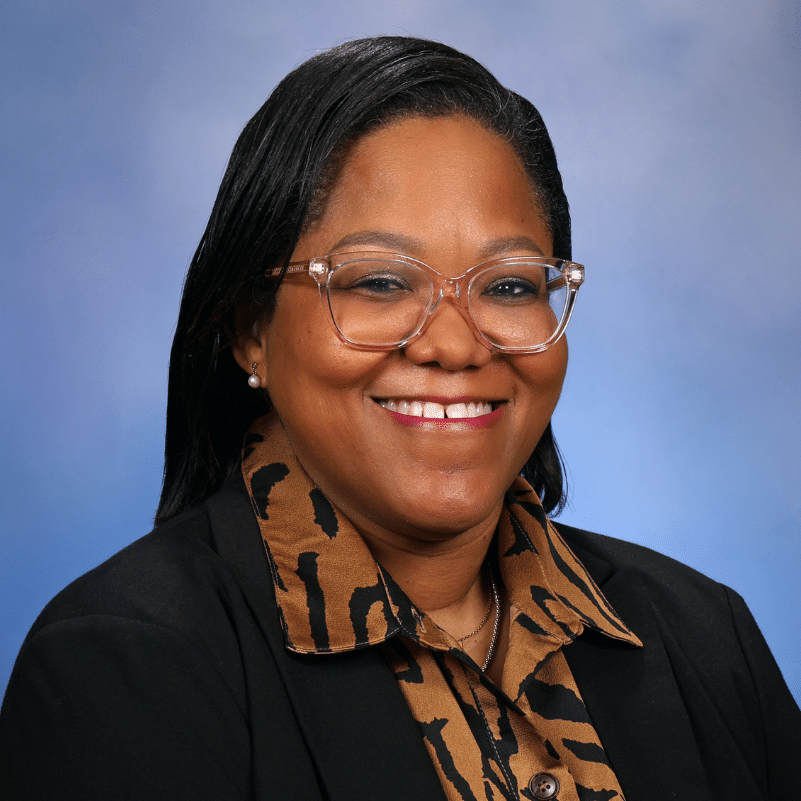
Kimberly Edwards
House · District 12
|
D |
Strong −
|
15% | 49 |
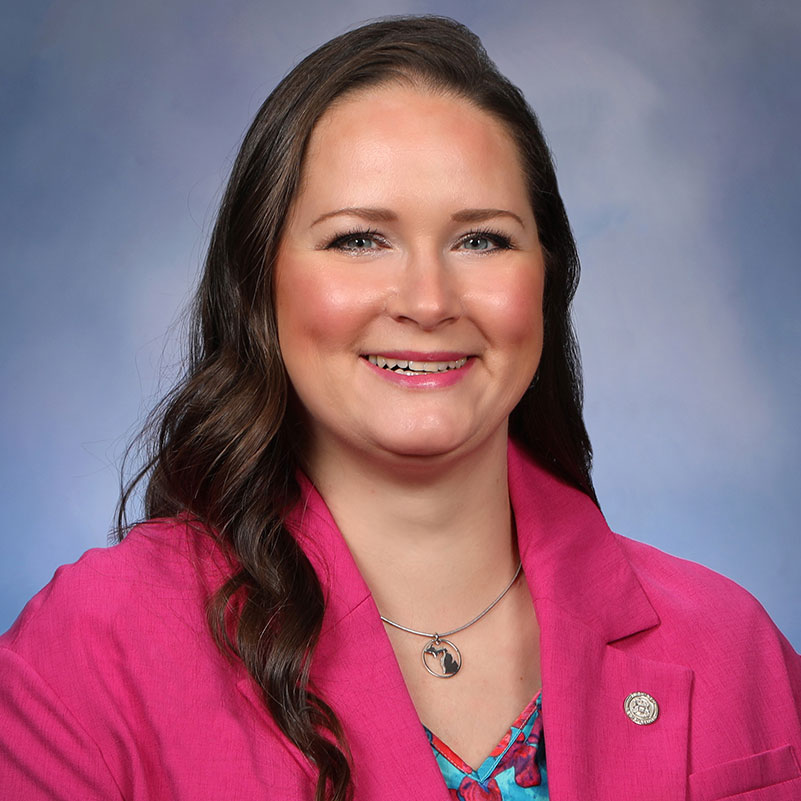
Carrie Rheingans
House · District 47
|
D |
Strong −
|
15% | 62 |
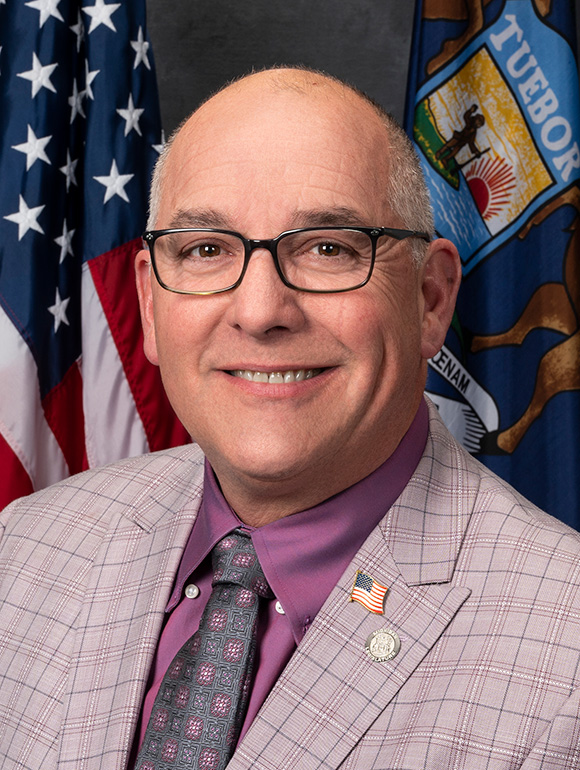
Joe Bellino
Senate · District 16
|
R |
Strong −
|
16% | 54 |

Jonathan Lindsey
Senate · District 17
|
R |
Strong −
|
16% | 53 |
Showing 81–90 of 306
bills
All education bills
HB 5646: Education: other; certain requirements for the approval of teacher preparation programs; create. Amends 1976 PA 451 (MCL 380.1 - 380.1852) by adding sec. 1531l.
Sub-Topics
Teachers
SR 98: A resolution to urge the public institutions of higher education in Michigan to establish a consistent policy for awarding postsecondary-level academic credit for International Baccalaureate coursework.
Sub-Topics
Higher Education
SB 868: Appropriations: department of lifelong education, advancement, and potential; appropriations for fiscal year 2026-2027; provide for. Creates appropriation act.
Topics
✓ Budget & TaxesSupports Budget & TaxesBill allocates state funding to Department of Lifelong Education, Advancement, and Potential for FY 2026-2027, directly supporting budget appropriations for public services.
✓ EducationSupports EducationBill allocates state funding to Department of Lifelong Education, Advancement, and Potential for fiscal year 2026-2027, directly supporting education operations and programs through financial resources.
SB 858: Appropriations: school aid; fiscal year 2026-2027 appropriations for K-12 school aid; provide for. Amends secs. 11 & 17b of 1979 PA 94 (MCL 388.1611 & 388.1617b).
Topics
✓ Budget & TaxesSupports Budget & TaxesBill appropriates state funding for K-12 public schools, directly increasing government spending on essential education services and strengthening school operations.
✓ EducationSupports EducationBill appropriates state funding for K-12 public schools for fiscal years 2025-2027, directly increasing financial resources for school operations.
SB 874: Appropriations: higher education; appropriations for fiscal year 2026-2027; provide for. Amends secs. 236 & 241 of 1979 PA 94 (MCL 388.1836 & 388.1841).
Topics
✓ Budget & TaxesSupports Budget & TaxesBill allocates $2.34 billion in state funding for higher education, directly strengthening public university operations and student financial aid access.
✓ EducationSupports EducationBill allocates $2.34 billion for higher education funding, supporting public universities and student access to financial aid.
HB 5649: Corporate income tax: credits; employer credit for certain apprenticeship and career and technical education programs: provide for. Amends 1967 PA 281 (MCL 206.1 - 206.847) by adding secs. 279 & 672.
Topics
✓ Budget & TaxesSupports Budget & TaxesBill creates corporate tax credits for workforce training, promoting fiscal responsibility and funding education programs through tax incentives.
✓ EducationSupports EducationBill provides tax credits to employers for training apprentices and CTE students, expanding educational access and supporting career and technical education programs.
✓ Labor & EmploymentSupports Labor & EmploymentBill provides tax credits to employers for training apprentices and career/technical education students, directly supporting workforce development and employee skill enhancement.
SB 846: Health occupations: social workers; social worker scholarship fund; create. Creates new act.
Topics
✓ EducationSupports EducationBill creates scholarship fund for social worker education, expanding access to health professions education and funding exam retakes for students.
✓ HealthcareSupports HealthcareBill creates scholarship fund to help social workers enter underserved healthcare areas, improving access to mental health and social services.
SB 873: Appropriations: community colleges; appropriations for fiscal year 2026-2027; provide for. Amends secs. 201 & 206 of 1979 PA 94 (MCL 388.1801 & 388.1806).
Topics
✓ Budget & TaxesSupports Budget & TaxesBill appropriates $493M to fund community colleges, directly increasing public education funding and supporting essential government services.
✓ EducationSupports EducationBill appropriates $493 million to support Michigan community colleges, directly funding educational institutions and expanding access through tuition waiver programs.
SB 869: Appropriations: department of education; appropriations for fiscal year 2026-2027; provide for. Creates appropriation act.
Topics
✓ Budget & TaxesSupports Budget & TaxesBill allocates state funding to Department of Education for FY 2026-2027, directly supporting education programs and operations through appropriations.
✓ EducationSupports EducationBill provides necessary funding for Department of Education operations and programs, enabling continued educational services and resources for schools.