Issue · Criminal Justice

Criminal Justice

Every criminal justice bill, vote, and legislator stance in Michigan, automatically classified by Maddy, our AI policy reader.

Total bills
239
2025-2026 Regular Session
Top supporter
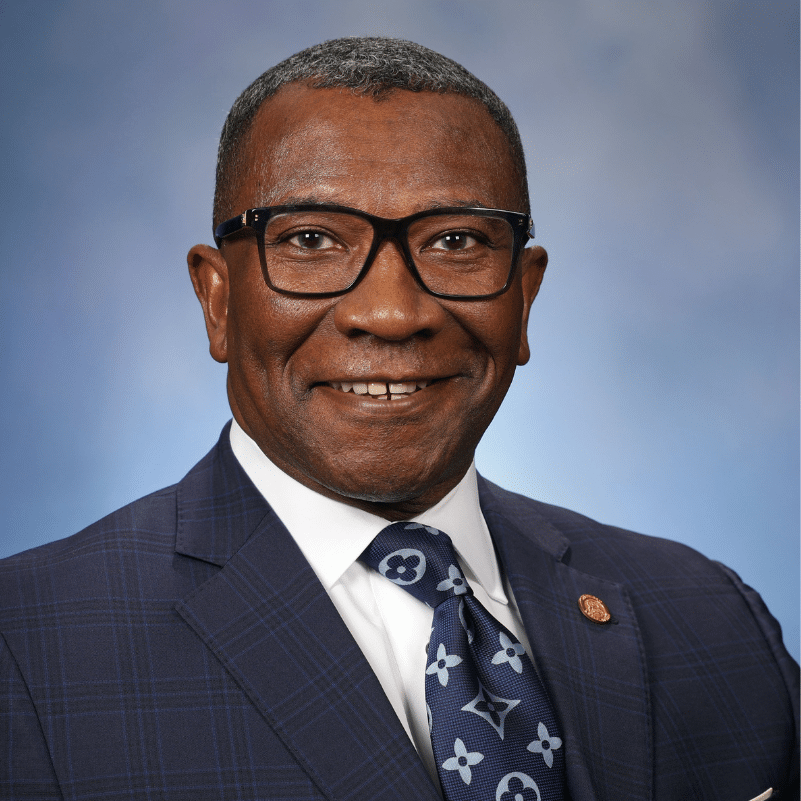
Amos O'Neal
100% support rate
Top opponent
Lana Theis
27% support rate
Ranked legislators
10
5 support · 5 oppose
Key legislators

Who's moving criminal justice in Michigan

Legislators moving criminal justice in Michigan
Legislator Party Stance Support rate Votes
Amos O'Neal
Amos O'Neal House · District 94
D
Strong +
100% 18
Erika Geiss
Erika Geiss Senate · District 1
D
Support
77% 43
Jeremy Moss
Jeremy Moss Senate · District 7
D
Support
73% 48
Veronica Klinefelt
Veronica Klinefelt Senate · District 11
D
Support
73% 48
Sarah Anthony
Sarah Anthony Senate · District 21
D
Support
73% 48
Lana Theis
Lana Theis Senate · District 22
R
Oppose
27% 43
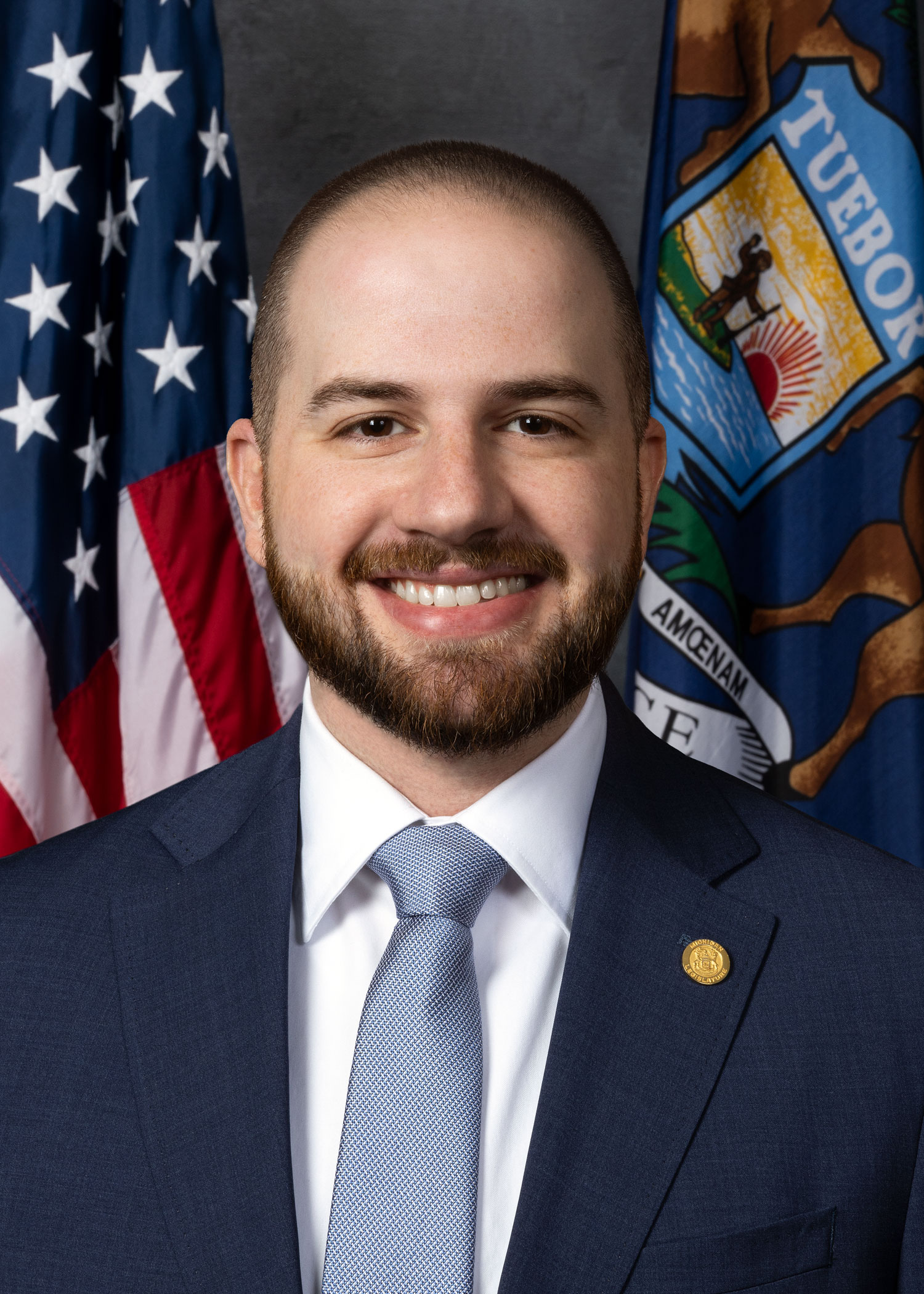
Thomas Albert
Thomas Albert Senate · District 18
R
Oppose
27% 48
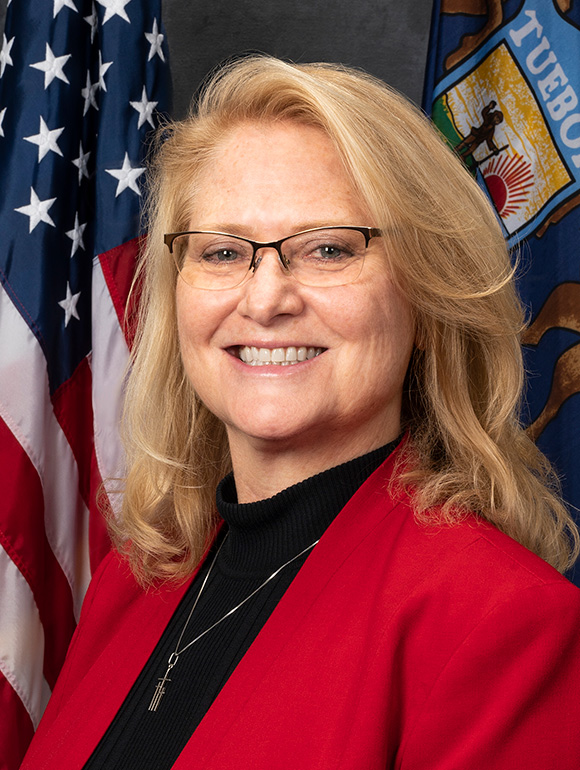
Michele Hoitenga
Michele Hoitenga Senate · District 36
R
Oppose
27% 48
Jonathan Lindsey
Jonathan Lindsey Senate · District 17
R
Oppose
27% 47
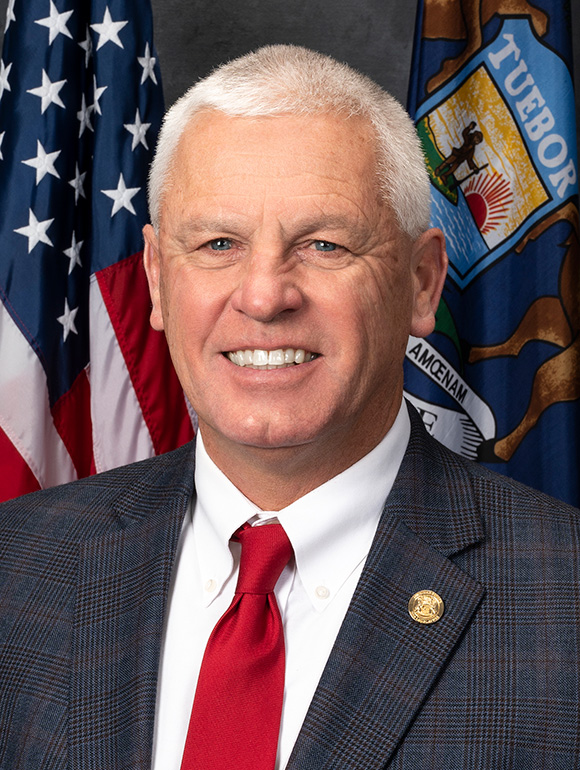
Jon Bumstead
Jon Bumstead Senate · District 32
R
Oppose
29% 44
Showing 31–40 of 239 bills

All criminal justice bills

in committee · Michigan · Senate Jun 23, 2026

SB 1016: State agencies (proposed): other; grants for community violence intervention services; provide for. Creates new act. TIE BAR WITH: SB 1015'26

This bill establishes a new grant program and fund to support community violence intervention and prevention efforts in Michigan. It directs state funding to eligible local governments and nonprofit organizations that meet specific criteria, such as having high homicide rates or a demonstrated need to address violence. The grants must be used for evidence-based strategies that utilize trauma-informed care, expand economic opportunities, and avoid contributing to mass incarceration. Furthermore, the legislation requires that at least 75% of any grant given to a local government be passed on to community-based or nonprofit groups, ensuring that law enforcement agencies do not receive these specific funds. The bill also mandates regular reporting on financial use and program outcomes to ensure accountability.
in committee · Michigan · Senate May 13, 2026

SB 953: Civil rights: other; standards for public bodies collecting and reporting data related to race and ethnicity; establish. Creates new act.

SB 953 establishes the Michigan Data Collection Act, which requires state and local public bodies to use specific criteria when gathering race and ethnicity data in official documents. The law mandates that these forms include a single combined question for race and ethnicity, listing seven broad categories with six specific subcategories for each, along with an option for individuals to add their own details. Public agencies must also publish an action plan outlining their data collection compliance and potential risks on their websites within 18 months of the bill's effective date. Additionally, the data collected under this act is exempt from public disclosure under the state's Freedom of Information Act, and the list of subcategories must be updated every ten years based on federal census results.
Sub-Topics Civil Rights Tags Data Reporting
in committee · Michigan · Senate May 13, 2026

SB 955: Civil rights: public records; certain writings requesting racial or ethnic identification; modify. Amends secs. 202a & 402a of 1976 PA 453 (MCL 37.2202a & 37.2402a).

This bill requires private employers and educational institutions in Michigan to include "multiracial" as an option when collecting racial or ethnic data from individuals. It also mandates that these organizations remove the "other" classification from such forms. If a federal agency rejects the "multiracial" category, the bill instructs employers and schools to redistribute those responses among approved racial categories based on population ratios. Public bodies and state universities are explicitly exempt from these new requirements.
Sub-Topics Civil Rights Tags Government Transparency
in committee · Michigan · House Apr 16, 2026

HR 285: A resolution calling on the United States Department of Justice to conduct a full investigation of any person, regardless of political affiliation, mentioned in the Epstein files.

This House resolution calls on the Department of Justice to investigate every individual named in the Epstein files, regardless of their political affiliation. The measure responds to the release of millions of documents and a previous statement by the Acting Attorney General that no further federal prosecutions would occur. It urges the government to distinguish between victims, active participants, and those merely mentioned to ensure accountability for all potential perpetrators. As a non-binding resolution, it does not create new laws but formally requests that the Justice Department take action on this specific matter.
passed · Michigan · House Aug 25, 2026

HB 5921: Legislature: legislative agencies; office of legislative corrections ombudsman; expand powers and duties. Amends secs. 7, 11, 12, 13 & 14 of 1975 PA 46 (MCL 4.357 et seq.). TIE BAR WITH: HB 5920'26

This bill expands the powers and duties of Michigan's Office of the Legislative Corrections Ombudsman, which handles complaints from prisoners, their advocates, and legislators regarding conditions in state correctional facilities. Key changes require the ombudsman to notify complainants and affected prisoners when investigating or declining to investigate complaints, and mandate that the office consult with the Department of Corrections before issuing any report that criticizes the department or its staff. The legislation also establishes strict reporting requirements, forcing the ombudsman to publish detailed monthly and annual reports on complaint statistics and department responses, while adding protections to ensure that individuals cannot be penalized for filing complaints or cooperating with the ombudsman. Additionally, the bill clarifies that the ombudsman's authority operates alongside, rather than replacing, existing legal remedies and appeal processes for prisoners.
Sub-Topics Corrections
in committee · Michigan · House May 13, 2026

HB 5950: Traffic control: driver license; communication impediment decal for vehicles; provide for. Amends sec. 5 of 2008 PA 23 (MCL 28.305). TIE BAR WITH: HB 5949'26

This bill amends Michigan's enhanced driver license and identification card laws to allow individuals to voluntarily include a "communication impediment" designation on their ID. The designation is intended for people with conditions like deafness or autism that may hinder communication with police officers. Under the new rules, law enforcement personnel with authorized access to a specific state network would be able to view this designation. The bill also clarifies privacy protections, ensuring that Social Security numbers and other personal data are not printed on the front of the card. Additionally, it establishes procedures for the Secretary of State to cancel or revoke this designation if the underlying health condition no longer exists, following a notice and hearing process for the cardholder.
in committee · Michigan · House May 14, 2026

HB 5959: Traffic control: driver license; penalties for moving violation causing death or serious impairment; modify. Amends sec. 601d of 1949 PA 300 (MCL 257.601d).

HB 5959 modifies Michigan's vehicle code to increase penalties for drivers who commit moving violations that result in death or serious injury to others. For incidents causing serious impairment, the bill raises the maximum fine for first-time offenders to $750 and for repeat offenders to $1,000, while also mandating a one-year restricted license and completion of a driver improvement course. Additionally, if a driver receives a second conviction for such an offense within seven years, their license will be suspended for two years without eligibility for a restricted license. These changes apply to any traffic violation that causes significant harm and aim to impose stricter consequences on drivers responsible for severe accidents.
Sub-Topics Driver Licensing
in committee · Michigan · House Apr 22, 2026

HB 5833: Gaming: other; authority to obtain criminal history records and fingerprints; provide for. Amends sec. 19 of 2019 PA 149 (MCL 432.419).

This bill amends Michigan's sports betting law to require the state gaming board to collect fingerprints and criminal history records from individuals applying for or holding licenses related to sports betting operations. It expands the scope of background checks to include not only applicants but also current licensees, board employees, contractors, and specific management roles such as sports traders and heads of key departments like fraud, technology, and finance. The legislation mandates that these fingerprints be submitted to state and federal authorities for automated checks against new criminal arrests, with results shared with the gaming board while prohibiting the sharing of these records with private entities.
in committee · Michigan · House May 12, 2026

HB 5930: Property: land sales; property eligible for forfeiture; modify. Amends sec. 4702 of 1961 PA 236 (MCL 600.4702). TIE BAR WITH: HB 5928'26, HB 5929'26

This bill modifies Michigan's laws regarding the seizure and forfeiture of property connected to criminal activities. It directly affects property owners, creditors, and law enforcement agencies by clarifying which assets can be taken by the government. The legislation updates rules on what constitutes forfeitable property, specifically protecting primary residences of spouses and children unless they knew about and agreed to the crime, while also detailing protections for homeowners with unpaid land contracts and security interests. Additionally, it sets limits on how much money can be recovered from substituted proceeds, ensuring the government only takes the value of the original crime proceeds plus specific legal costs. The bill will only become effective if two related companion bills are also passed by the legislature.
Sub-Topics Law Enforcement
passed · Michigan · House May 20, 2026

HR 321: A resolution to declare May 2026 as Treatment Court Month in the state of Michigan.

This bill designates May 2026 as Treatment Court Month in Michigan to recognize the success of these specialized courts. It highlights how these programs help individuals with substance use and mental health issues by connecting them with treatment and support services. The resolution serves as a commemorative measure to celebrate the positive impact of these courts on public safety and community health.
Sub-Topics Courts Mental Health
Showing 31 to 40 of 239 bills
Previous 1 3 4 5 24 Next