Issue · Criminal Justice

Criminal Justice (Probation & Parole)

Every criminal justice bill, vote, and legislator stance in Michigan, automatically classified by Maddy, our AI policy reader.

Total bills
30
2025-2026 Regular Session
Top supporter
Steve Carra
100% support rate
Top opponent
Carol Glanville
0% support rate
Ranked legislators
10
5 support · 5 oppose
Key legislators

Who's moving probation & parole in Michigan

Legislators moving probation & parole in Michigan
Legislator Party Stance Support rate Votes
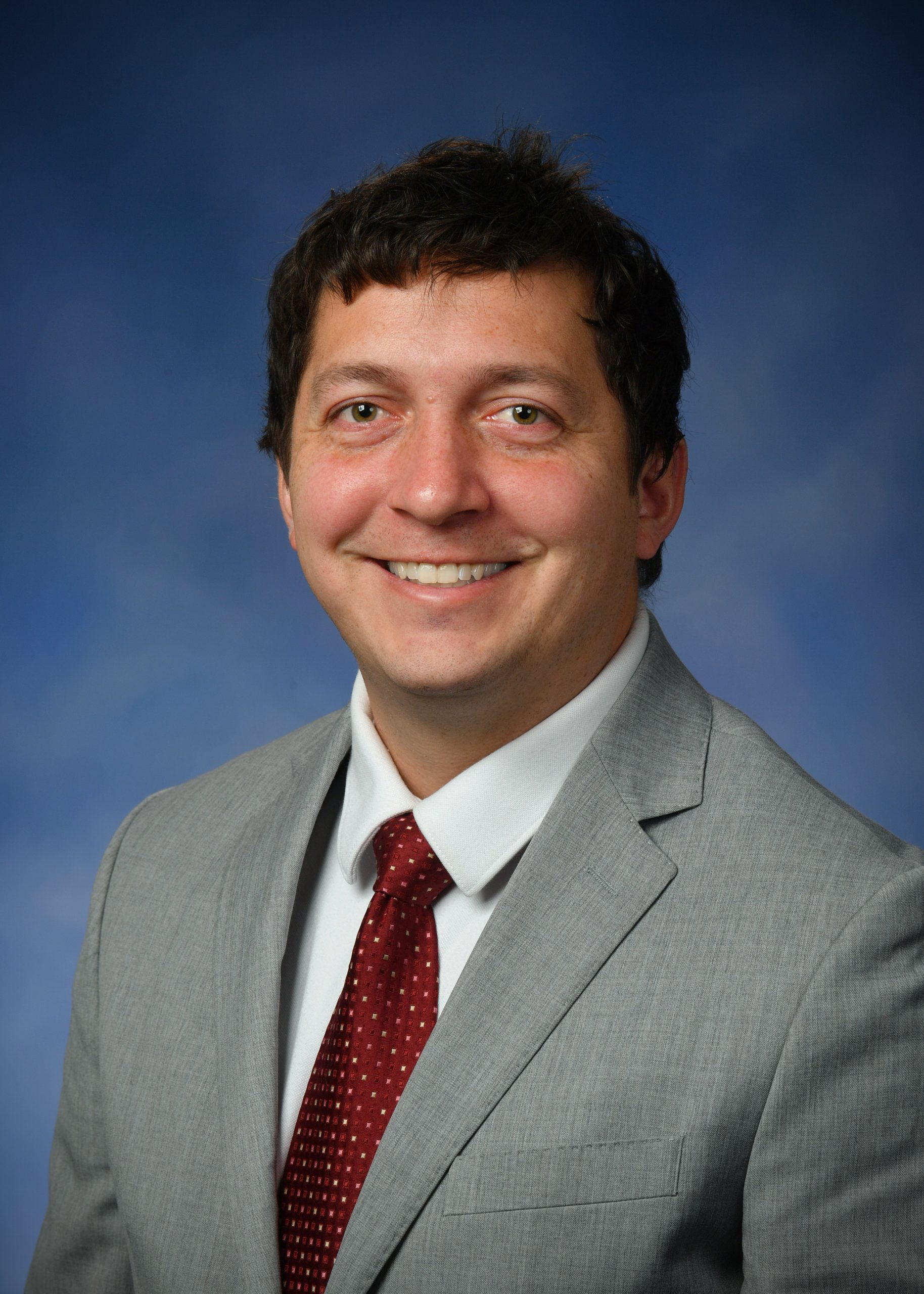
Steve Carra
Steve Carra House · District 36
R
Strong +
100% 3
Alicia St. Germaine
Alicia St. Germaine House · District 62
R
Support
67% 3
Angela Rigas
Angela Rigas House · District 79
R
Support
67% 3
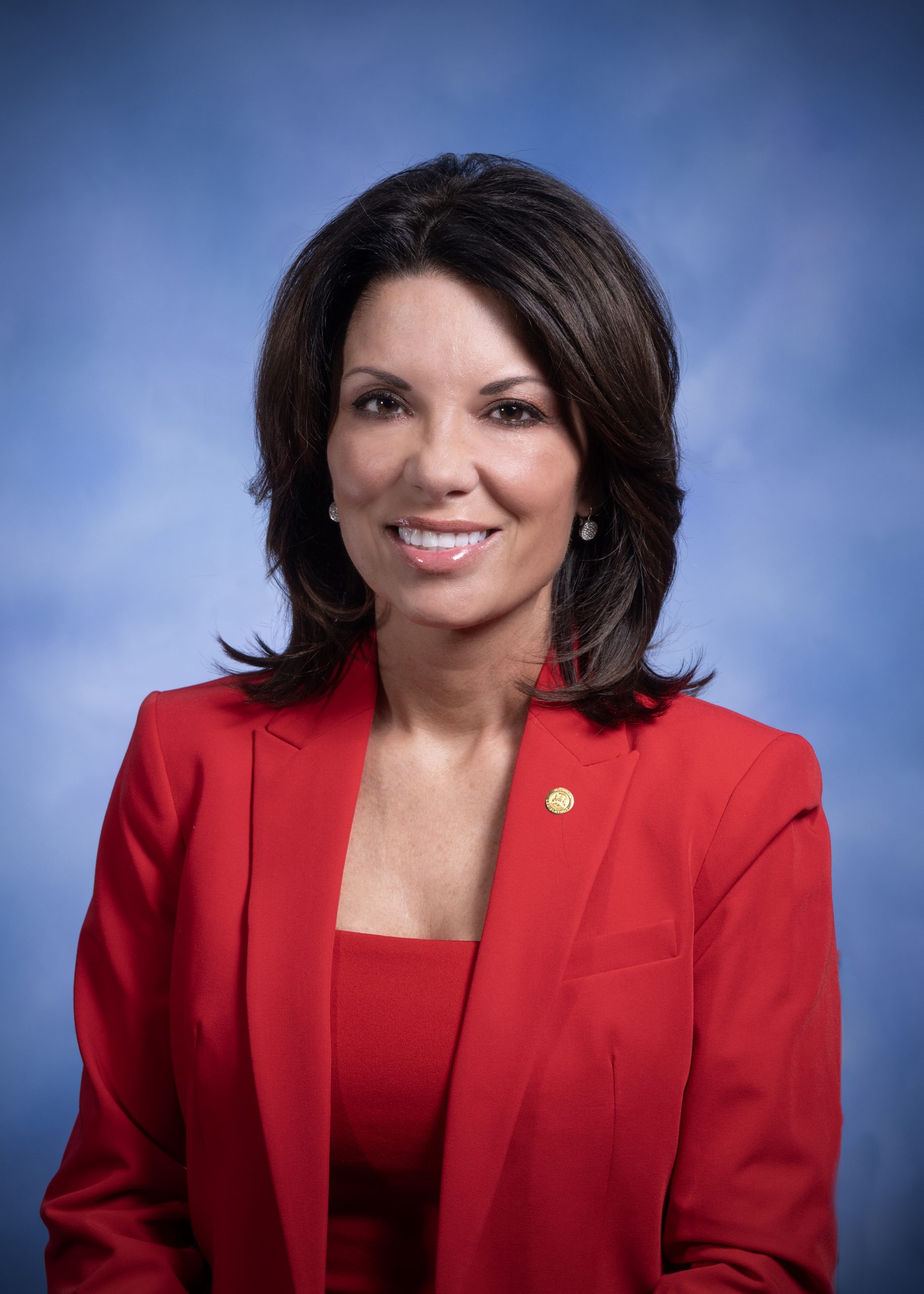
Ann Bollin
Ann Bollin House · District 49
R
Support
67% 3
Bill Schuette
Bill Schuette House · District 95
R
Support
67% 3
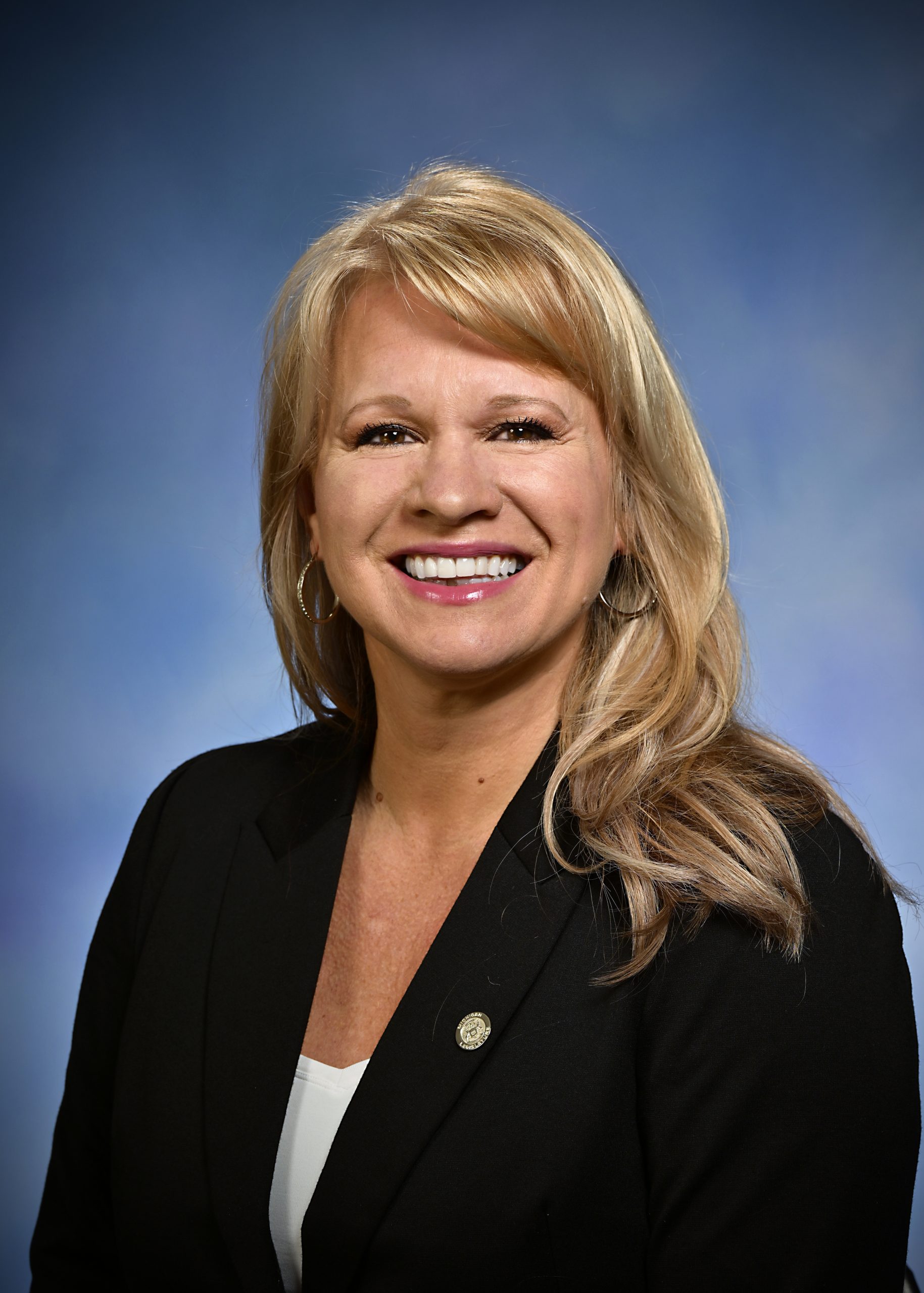
Carol Glanville
Carol Glanville House · District 84
D
Strong −
0% 3
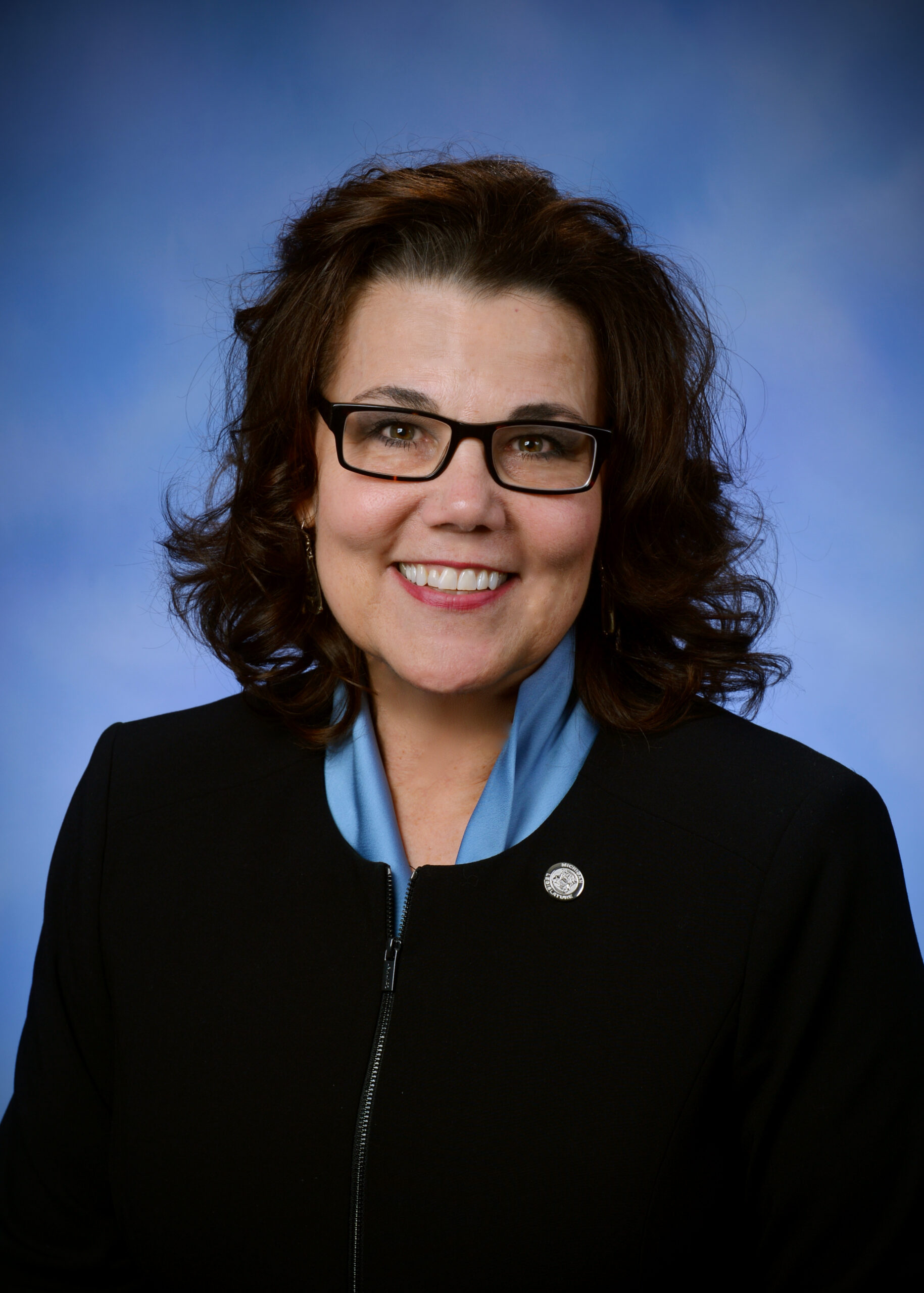
Denise Mentzer
Denise Mentzer House · District 61
D
Strong −
0% 3
Jaz Martus
Jaz Martus House · District 69
D
Strong −
0% 3
Jennifer Conlin
Jennifer Conlin House · District 48
D
Strong −
0% 3
John Fitzgerald
John Fitzgerald House · District 83
D
Strong −
0% 3
Showing 21–30 of 30 bills

All criminal justice bills

in committee · Michigan · House Aug 27, 2025

HB 4812: Corrections: parole; certain voting information on release; require department of corrections to provide. Amends secs. 34c & 35 of 1953 PA 232 (MCL 791.234c & 791.235).

HB 4812 requires Michigan's Department of Corrections to provide prisoners with written materials about voter registration and election processes before their release on parole or after completing their sentences. Specifically, it mandates that the department include details on how to register to vote, vote in person, or request absentee ballots, along with regular election dates. The bill also directs the department to assist prisoners in obtaining essential identification documents (like those needed for driver's licenses or state ID cards) and creates a "reentry success fund" to cover related costs. This applies to all prisoners transitioning from incarceration to community life who are eligible for such identification.
Sub-Topics Probation & Parole
in committee · Michigan · Senate Feb 19, 2025

SB 89: Criminal procedure: sentencing; parole eligibility for certain individuals sentenced without the possibility of parole; provide for. Amends sec. 316 of 1931 PA 328 (MCL 750.316). TIE BAR WITH: SB 0090'25

SB 89 creates parole eligibility for individuals convicted of first-degree murder under a felony-murder theory before November 4, 1980, who are currently serving life sentences without parole. The bill amends Michigan’s penal code to allow these specific individuals - historically convicted under a legal standard that barred parole - to be considered for parole under the state’s corrections code. This change directly affects people already incarcerated under such pre-1980 convictions, altering their sentencing status without altering their original conviction. The provision applies only to those serving life sentences on the bill’s effective date, not to new cases.
failed · Michigan · House Jul 24, 2025

HB 4506: Criminal procedure: sentencing; guidelines for sentencing individuals aged 18 to 21 to life without parole; provide for. Amends 1927 PA 175 (MCL 760.1 - 777.69) by adding sec. 25b to ch. IX.

HB 4506 would have established new sentencing guidelines to prevent life without parole sentences for individuals aged 18 to 21. The bill amended Michigan’s sentencing law (MCL 760.1-777.69) by adding a specific provision for this age group, requiring judges to consider mitigating factors like youth and development. It directly affected young adults in the criminal justice system facing potential life sentences without parole. The bill was defeated in the legislature on July 24, 2025, with 55 votes in favor and 43 against.
in committee · Michigan · Senate Feb 19, 2025

SB 90: Corrections: parole; consideration of parole for certain individuals sentenced before 1980; require. Amends secs. 31a, 33, 33b & 34 of 1953 PA 232 (MCL 791.231a et seq.) & adds secs. 35a & 83a. TIE BAR WITH: SB 0089'25

SB 90 amends Michigan's Corrections Code to require parole consideration for individuals sentenced before 1980 for certain crimes. It specifically creates a new process (via added sections 35a and 83a) to allow parole boards to review cases of people incarcerated for offenses listed in Section 33b (like certain violent crimes) who were sentenced prior to 1980. The bill changes existing rules by mandating that parole boards must consider these individuals for parole, rather than automatically denying it based on their sentence date. This directly affects thousands of incarcerated people in Michigan who were convicted and sentenced before 1980 for qualifying offenses.
Sub-Topics Probation & Parole
passed · Michigan · Senate Jun 18, 2026

SB 592: Corrections: other; reentry services and support for certain individuals after resentencing; require. Amends sec. 83 of 1953 PA 232 (MCL 791.283).

SB 592 requires Michigan's corrections department to provide reentry services (excluding housing), temporary housing, and vital documents (like birth certificates) to prisoners whose convictions were overturned due to specific Supreme Court rulings (e.g., *Miller v. Alabama* or *People v. Parks*). These services must be offered for up to 2 years after release for reentry services and 1 year for housing. The bill mandates timely assignment of staff to ensure these supports are delivered, with repayment required if a prisoner's conviction is later reinstated. It directly affects individuals released after resentencing in cases involving juvenile sentencing laws.
in committee · Michigan · Senate Oct 9, 2025

SB 603: Corrections: parole; certain voting information on release; require department of corrections to provide. Amends secs. 34c & 35 of 1953 PA 232 (MCL 791.234c & 791.235).

SB 603 requires Michigan's Department of Corrections to help prisoners obtain essential identification documents (like driver's license or state ID requirements) before release and provide written voter registration information. This applies to all prisoners nearing parole or sentence completion who could qualify for a driver's license or state ID. The bill mandates the department to give specific details on voting eligibility, registration steps, and election dates, and to include voter information in parole reports. It also creates a dedicated "reentry success fund" to cover costs for these services.
Sub-Topics Probation & Parole
in committee · Michigan · House Nov 4, 2025

HB 5196: Corrections: other; screening and treatment for post traumatic prison disorder; provide for and require certain other mental health screening, planning, and treatment of incarcerated individuals. Amends sec. 67 of 1953 PA 232 (MCL 791.267) & adds secs. 34e, 67c & 67d.

HB 5196 requires Michigan correctional facilities to create mandatory mental health discharge plans for incarcerated individuals receiving mental health services or medication before release. These plans must include specific assessments (using tools like the PHQ-9 and GAD-7), identify housing/transportation risks, schedule post-release mental health appointments, ensure medication continuity, and assess Medicaid eligibility. The bill directly affects incarcerated individuals transitioning from correctional facilities to community settings, aiming to support their mental health needs during reentry. It amends existing law (MCL 791.267) and adds new sections (34e, 67c, 67d) focused on structured discharge planning. The bill is currently in committee referral after its October 2025 introduction.
in committee · Michigan · House Nov 4, 2025

HB 5174: Criminal procedure: probation; delayed sentence for domestic violence offenses; prohibit under certain circumstances. Amends sec. 1, ch. XI of 1927 PA 175 (MCL 771.1).

HB 5174 amends Michigan's probation law to prohibit courts from delaying sentences for defendants convicted of domestic violence offenses who have prior similar offenses, such as assault or domestic violence. The bill specifically blocks delayed sentencing under certain circumstances for repeat offenders in these cases, directly affecting individuals facing domestic violence or assault charges with prior convictions. Key provisions include requiring courts to impose supervision fees ($30/month without electronic monitoring, $60/month with it) for delayed sentences and defining "assaultive crime" and "interpersonal violence" to clarify coverage. The law also allows fee waivers for indigent defendants and specifies that these fees cannot overlap with existing supervision costs. This changes how courts handle probation eligibility for domestic violence cases without altering sentencing penalties.
in committee · Michigan · Senate Nov 5, 2025

SB 432: Criminal procedure: probation; probation for certain major controlled substances offenses; allow. Amends sec. 1, ch. XI of 1927 PA 175 (MCL 771.1). TIE BAR WITH: SB 0430'25

SB 432 expands probation eligibility for certain major controlled substances offenses (excluding heroin, fentanyl, carfentanil, and their derivatives) that were previously ineligible under Michigan law. It allows courts to delay sentencing for up to one year to enable defendants to participate in drug treatment programs, requiring the court to document the reason for the delay in writing. The bill establishes a monthly supervision fee of $30 (without electronic monitoring) or $60 (with monitoring), capped at 12 months, which can be paid in installments or waived for indigent individuals. This applies to adult defendants not subject to juvenile probation.
in committee · Michigan · House Nov 5, 2025

HB 4211: Corrections: other; reentry services and support for certain individuals after resentencing; require. Amends sec. 83 of 1953 PA 232 (MCL 791.283).

HB 4211 requires correctional facilities to provide reentry support services to certain individuals after they receive a resentencing. It directly affects people whose sentences were reduced or overturned through legal appeals or resentencing proceedings. The bill mandates that these individuals receive assistance with housing, job training, counseling, and other transitional support upon release. This requirement amends Michigan's correctional code to ensure structured reentry planning for eligible individuals.
Showing 21 to 30 of 30 bills