Issue · Criminal Justice

Criminal Justice

Every criminal justice bill, vote, and legislator stance in Michigan, automatically classified by Maddy, our AI policy reader.

Total bills
239
2025-2026 Regular Session
Top supporter
Amos O'Neal
100% support rate
Top opponent
Lana Theis
27% support rate
Ranked legislators
10
5 support · 5 oppose
Key legislators

Who's moving criminal justice in Michigan

Legislators moving criminal justice in Michigan
Legislator Party Stance Support rate Votes
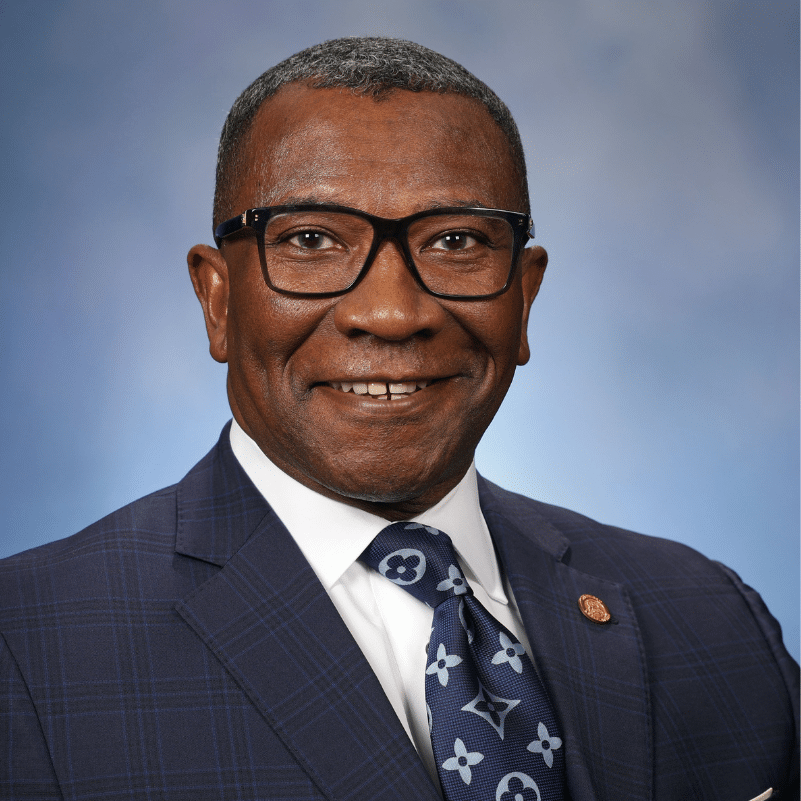
Amos O'Neal
Amos O'Neal House · District 94
D
Strong +
100% 18
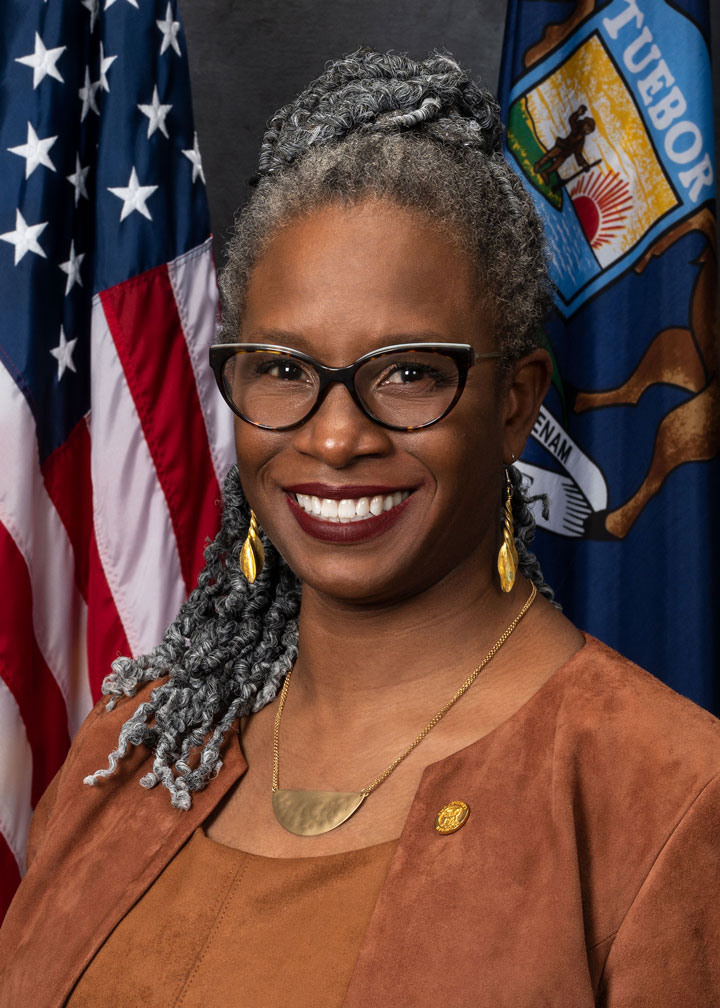
Erika Geiss
Erika Geiss Senate · District 1
D
Support
77% 43
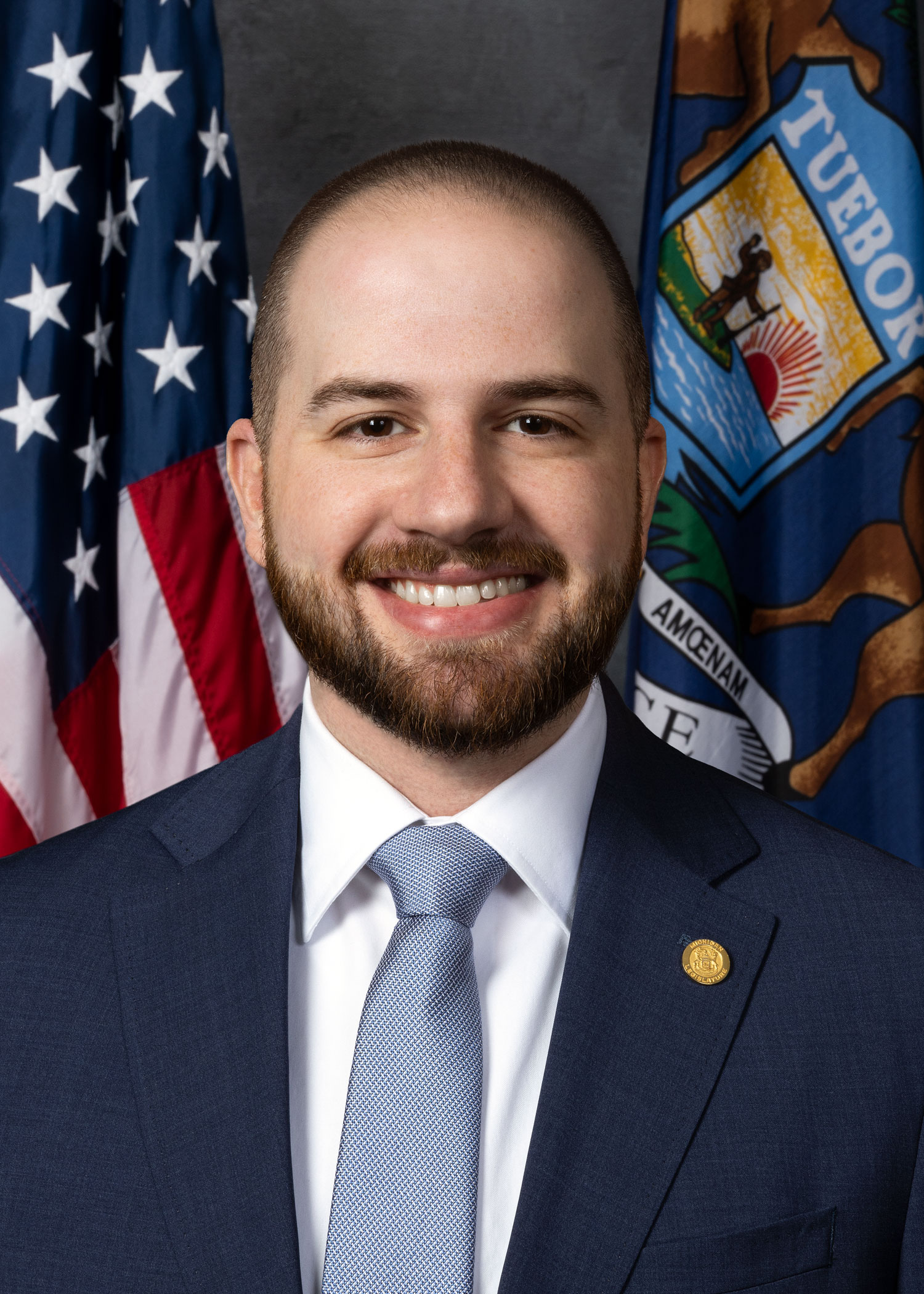
Jeremy Moss
Jeremy Moss Senate · District 7
D
Support
73% 48
Veronica Klinefelt
Veronica Klinefelt Senate · District 11
D
Support
73% 48
Sarah Anthony
Sarah Anthony Senate · District 21
D
Support
73% 48
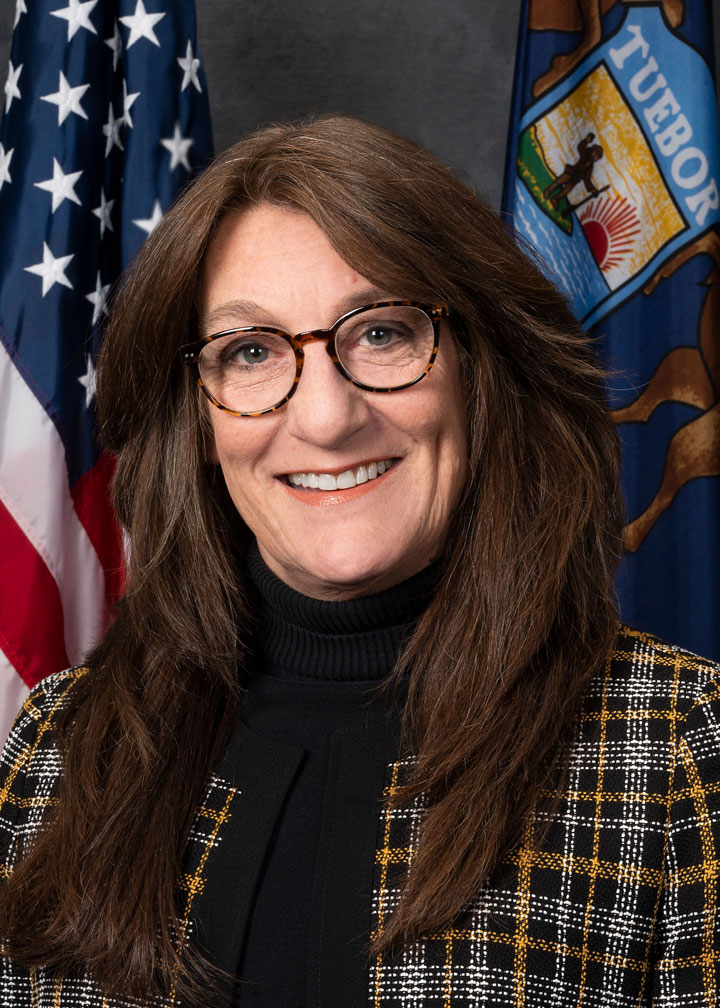
Lana Theis
Lana Theis Senate · District 22
R
Oppose
27% 43
Thomas Albert
Thomas Albert Senate · District 18
R
Oppose
27% 48
Michele Hoitenga
Michele Hoitenga Senate · District 36
R
Oppose
27% 48
Jonathan Lindsey
Jonathan Lindsey Senate · District 17
R
Oppose
27% 47
Jon Bumstead
Jon Bumstead Senate · District 32
R
Oppose
29% 44
Showing 91–100 of 239 bills

All criminal justice bills

in committee · Michigan · House Feb 19, 2026

HB 5528: Crimes: disorderly conduct; criteria for inciting a riot; clarify. Amends secs. 1 & 2 of 1968 PA 302 (MCL 752.541 & 752.542).

HB 5528 amends Michigan's 1968 riot law (MCL 752.541 and 752.542) to clarify the definitions of riot and incitement to riot. It specifies that a riot occurs when five or more people acting together cause public terror through violent conduct, and incitement to riot involves urging others to commit unlawful violence, property destruction, or interfere with law enforcement officers. The bill explicitly states that peaceful protests - protected under the First Amendment and Michigan's constitution - are not violations of these provisions. This affects individuals participating in public gatherings or protests by defining clear legal boundaries between protected activity and unlawful conduct.
Sub-Topics Law Enforcement
in committee · Michigan · Senate Mar 10, 2026

SB 801: Criminal procedure: search and seizure; protections against unlawful search and seizure; provide for. Amends sec. 15d, ch. IV of 1927 PA 175 (MCL 765.15d) & adds sec. 1h to ch. IV.

SB 801 prohibits law enforcement officers from stopping, detaining, or arresting individuals based solely on personal characteristics like race, ethnicity, language, religious affiliation, or perceived sexual orientation. It also bans officers from entering a dwelling using a federal administrative warrant. The bill amends existing law to clarify when federal officers may enforce state law (requiring state warrants or joint investigations) and specifies that such enforcement must comply with the new restrictions. These provisions directly affect all Michigan law enforcement officers (state and federal) and individuals subject to stops or searches under the bill's rules.
Sub-Topics Law Enforcement
passed both · Michigan · House Jun 11, 2026

HB 5576: Criminal procedure: sentencing guidelines; sentencing guidelines for intimidating or harassing an individual based on actual or perceived employment as a first responder; provide for. Amends sec. 16t, ch. XVII of 1927 PA 175 (MCL 777.16t). TIE BAR WITH: HB 5574'26

HB 5576 amends Michigan's sentencing guidelines to specifically address crimes targeting first responders. It adds intimidation or harassment of individuals based on their actual or perceived employment as a first responder (like police, firefighters, or EMTs) to the list of offenses that warrant enhanced sentencing. The bill changes Section 16t of the Michigan Code of Criminal Procedure (MCL 777.16t) to require courts to consider this factor when determining sentences for such crimes. This directly affects individuals convicted of threatening or harassing first responders, ensuring their actions are treated with greater severity under sentencing rules.
Sub-Topics Policing Sentencing
in committee · Michigan · House Feb 26, 2026

HB 5586: State agencies (proposed): other; office of community violence intervention services; establish. Creates new act. TIE BAR WITH: HB 5587'26

HB 5586 creates a new "Office of Community Violence Intervention and Prevention Services" within Michigan's Department of Health and Human Services. The office will administer grants to community-based nonprofits, track violence trends, set statewide goals to reduce shootings and homicides, and coordinate all state violence prevention efforts. It directly affects local governments, community organizations receiving grants, and state agencies managing the program. The bill establishes concrete requirements for data collection, technical assistance, and annual reporting to measure progress toward reducing community violence.
in committee · Michigan · House Feb 3, 2026

HB 5492: Law enforcement: other; guidelines for use of registration plate reader systems; provide for. Creates new act. TIE BAR WITH: HB 5493'26

HB 5492, the "regulating automatic license plate readers act," sets rules for private entities operating automatic license plate reader (ALPR) systems, requiring them to preserve captured license plate data for 14 days when law enforcement or a criminal defendant requests it with a specific written statement. The bill prohibits using the data as evidence in court if disclosure would violate the act, mandates data destruction after 14 days if not used, and allows individuals to sue for violations and recover at least $1,000 in damages or actual damages plus legal fees. Vehicle owners' data is protected from public disclosure without consent, except under a court order or warrant, and cannot be accessed by law enforcement without a warrant or specific preservation request.
passed · Michigan · Senate Jan 29, 2026

SR 92: A resolution urging the United States Congress to restore and strengthen oversight and accountability mechanisms for United States Immigration and Customs Enforcement and the United States Department of Homeland Security in light of recent events nationwide.

This resolution (SR 92) urges the U.S. Congress to restore oversight mechanisms for U.S. Immigration and Customs Enforcement (ICE) and the Department of Homeland Security (DHS). It directly addresses federal immigration enforcement agencies and aims to improve accountability following recent incidents involving ICE officers and reduced oversight capacity. The resolution specifically calls for reinstating agencies like the Office for Civil Rights and Civil Liberties, which were weakened under the Trump Administration, leading to unaddressed complaints about officer conduct. It emphasizes that restoring these oversight tools is necessary to ensure immigration enforcement follows laws, respects civil rights, and maintains community trust. As a resolution, it does not create new law but expresses the Michigan Senate's position to Congress.
in committee · Michigan · Senate Mar 25, 2026

SB 736: Crimes: crimes against minors; definition of child abuse; modify. Amends sec. 136b of 1931 PA 328 (MCL 750.136b). TIE BAR WITH: SB 0735'25

SB 736 amends Michigan's child abuse laws to clarify definitions and adjust penalties based on the severity of harm caused to children. It establishes four degrees of child abuse, with punishments ranging from misdemeanors (for minor physical harm) to life imprisonment (for causing serious physical or mental harm). The bill defines key terms like "serious physical harm" (e.g., brain damage, fractures) and "serious mental harm," while specifying that reasonable discipline or domestic violence defenses may apply. It directly affects anyone caring for children - such as parents, guardians, or caregivers - who cause harm through intentional acts, omissions, or reckless behavior. The law also requires prosecutors to list prior convictions when seeking enhanced sentences.
Sub-Topics Domestic Violence
in committee · Michigan · House Feb 3, 2026

HB 5495: Criminal procedure: search and seizure; protections against unlawful search and seizure; provide for. Amends sec. 15d, ch. IV of 1927 PA 175 (MCL 764.15d) & adds sec. 1h to ch. IV.

HB 5495 prohibits law enforcement officers from stopping, detaining, or arresting individuals based solely on personal characteristics like race, ethnicity, language accent, location near immigrant communities, or perceived religious, sexual, or political identity. It also bans officers from entering a dwelling using a federal agency administrative warrant. The bill defines key terms including "immigrant" (non-citizen residents) and "personal characteristics," and clarifies that federal officers may only enforce state law under specific conditions outlined in amended Section 15d. This directly affects all Michigan law enforcement officers and the people they interact with during stops or searches.
in committee · Michigan · House Dec 23, 2025

HB 5410: Crimes: domestic violence; common household pets in certain shelter programs; provide for. Amends secs. 1 & 7 of 1978 PA 389 (MCL 400.1501 & 400.1507).

This bill requires Michigan domestic violence shelters receiving state funds to provide supportive services for common household pets, including pet shelter. It amends the domestic violence prevention law to add "supportive services for common household pets, including shelter" as one of the required service options. Shelters must either provide at least three of these services (including pet care) or help victims access them. This directly affects state-funded domestic violence shelters and their clients who own pets, addressing a common barrier to seeking safety.
Sub-Topics Domestic Violence
in committee · Michigan · House Jan 15, 2026

HB 5448: Corrections: parole; impact statements by certain witnesses; allow. Amends sec. 35 of 1953 PA 232 (MCL 791.235) & adds sec. 35a.

HB 5448 amends Michigan's parole procedures to require the parole board to consider impact statements from certain witnesses, including crime victims, when reviewing parole applications. It directly affects prisoners seeking parole, parole board members, and crime victims who wish to share how a crime impacted them. Key mechanisms include adding a new provision (Section 35a) for submitting impact statements, clarifying that parole boards cannot deny parole without an interview in most cases (except for low-probability cases), and prohibiting consideration of expunged juvenile records or inaccurate information. The bill also mandates a 90-day parole eligibility report detailing a prisoner's conduct, work, education, and risk assessment, while explicitly banning the parole board from basing denials solely on marital history or unconvicted arrests.
Showing 91 to 100 of 239 bills
Previous 1 9 10 11 24 Next