

Issue · Budget & Taxes
Budget & Taxes
Every budget & taxes bill, vote, and legislator stance in Michigan, automatically classified by Maddy, our AI policy reader.
Total bills
561
2025-2026 Regular Session
Top supporter
Chedrick Greene
100% support rate
Top opponent
Jim Runestad
6% support rate
Ranked legislators
10
5 support · 5 oppose
Key legislators
Who's moving budget & taxes in Michigan
| Legislator | Party | Stance | Support rate | Votes |
|---|---|---|---|---|

Chedrick Greene
Senate · District 35
|
D |
Strong +
|
100% | 17 |
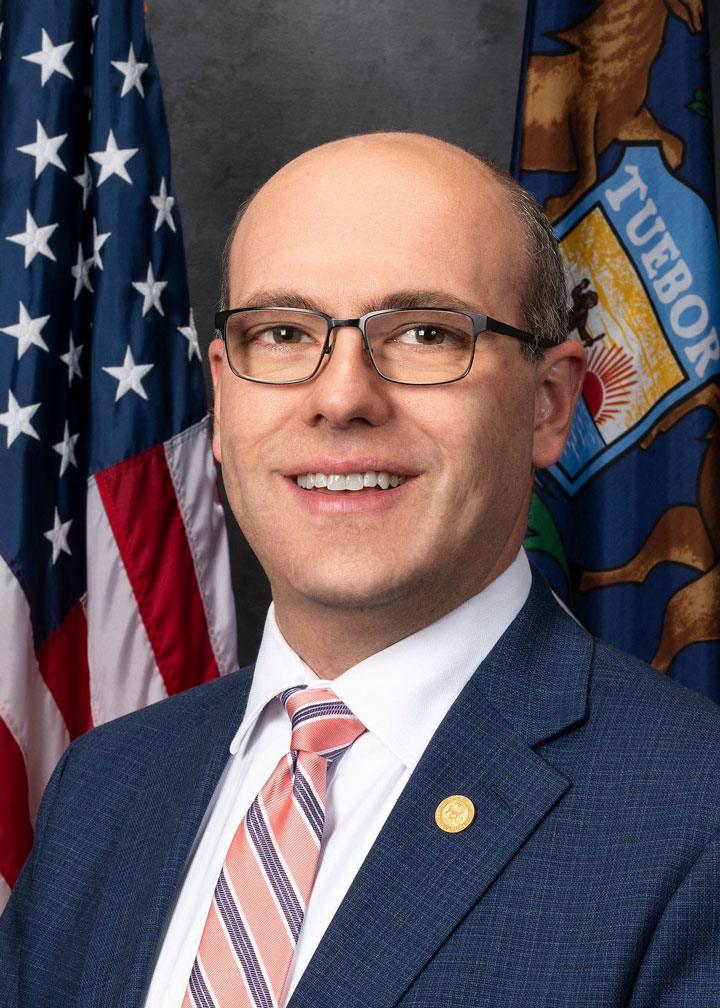
John Cherry
Senate · District 27
|
D |
Strong +
|
97% | 95 |
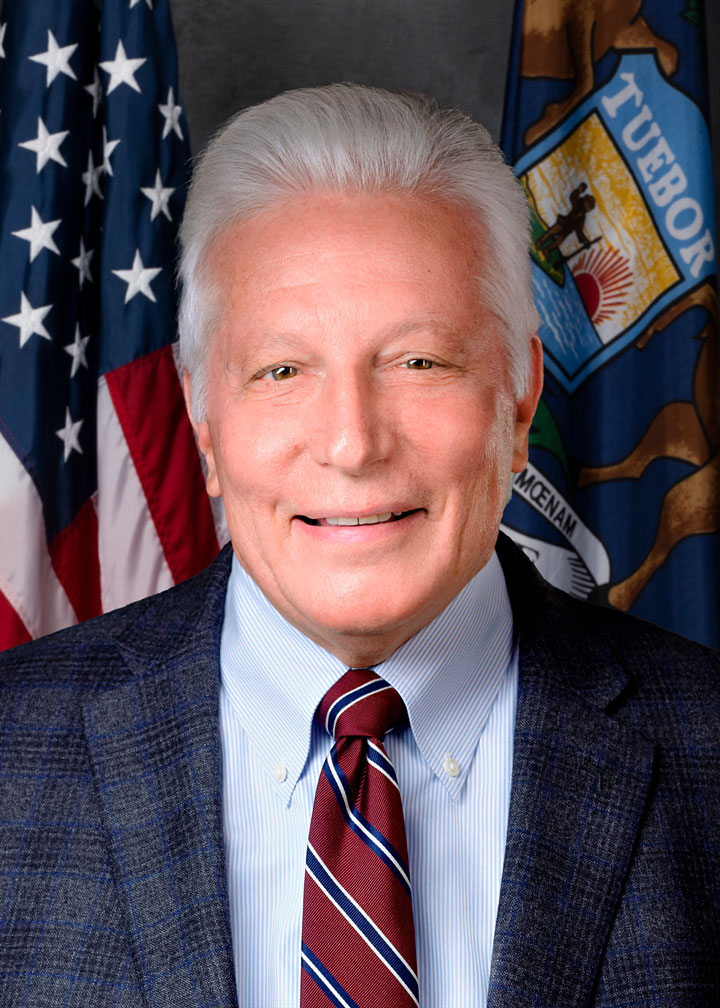
Paul Wojno
Senate · District 10
|
D |
Strong +
|
97% | 94 |
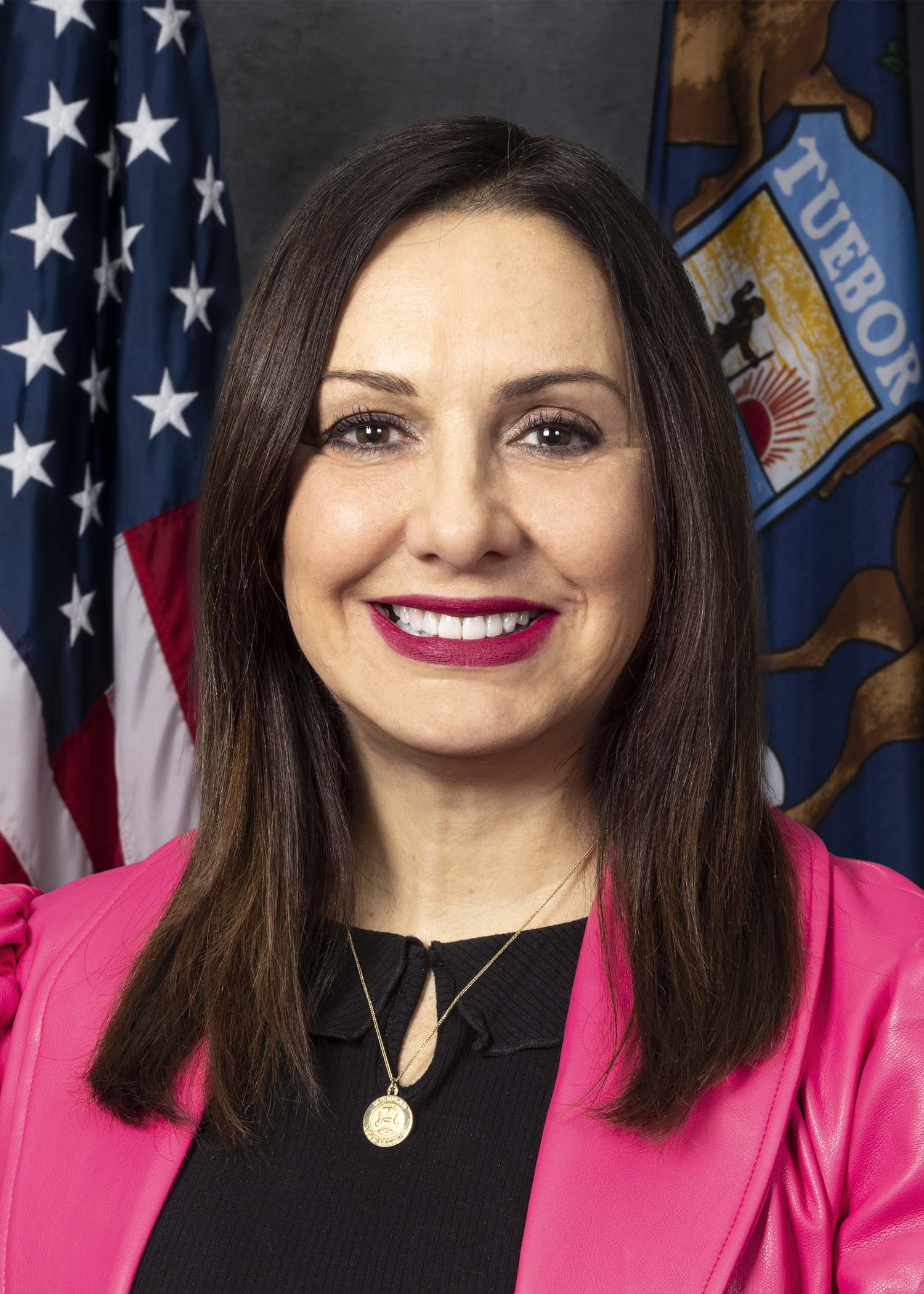
Dayna Polehanki
Senate · District 5
|
D |
Strong +
|
97% | 93 |

Sarah Anthony
Senate · District 21
|
D |
Strong +
|
95% | 97 |
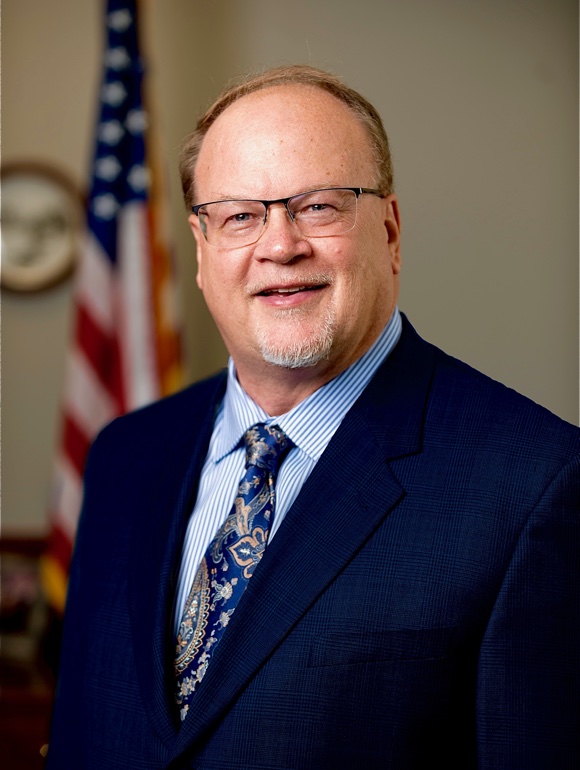
Jim Runestad
Senate · District 23
|
R |
Strong −
|
6% | 73 |
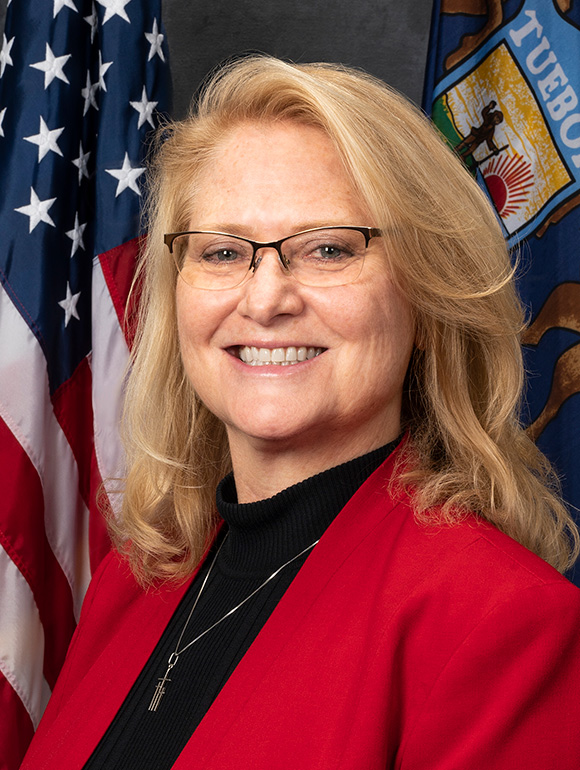
Lana Theis
Senate · District 22
|
R |
Strong −
|
10% | 94 |

Thomas Albert
Senate · District 18
|
R |
Strong −
|
11% | 95 |

Jonathan Lindsey
Senate · District 17
|
R |
Strong −
|
11% | 94 |
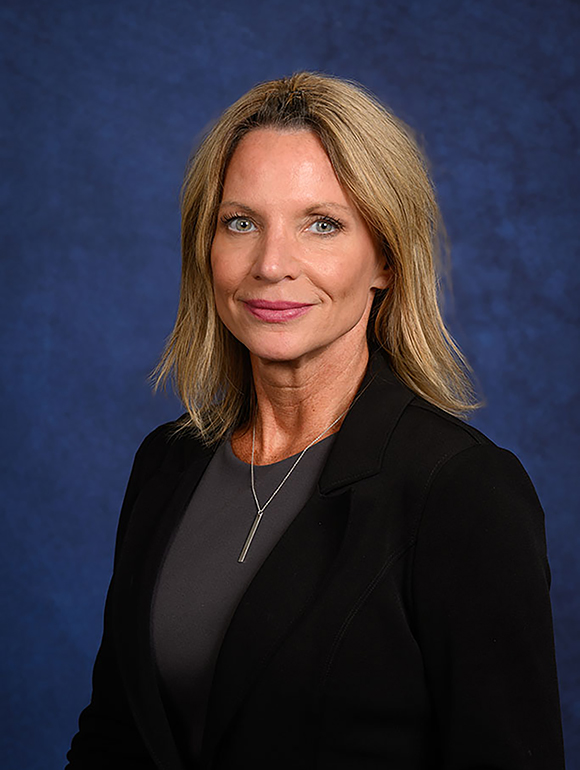
Michele Hoitenga
Senate · District 36
|
R |
Strong −
|
11% | 92 |
Showing 451–460 of 561
bills
All budget & taxes bills
SB 308: Individual income tax: credit; working parent tax credit and advanced monthly payments of that credit; create and provide for. Amends 1967 PA 281 (MCL 206.1 - 206.847) by adding sec. 272b.
Topics
✓ Budget & TaxesSupports Budget & TaxesCreates refundable tax credit ($5,500 per dependent) for lower/middle-income working parents, directly providing tax relief and increasing disposable income for eligible households.
✓ Labor & EmploymentSupports Labor & EmploymentProvides $5,500 per qualifying dependent via refundable tax credit, directly supporting working parents' financial stability and workforce participation.
SB 177: Appropriations: department of licensing and regulatory affairs; appropriations for fiscal year 2025-2026; provide for. Creates appropriation act.
SB 178: Appropriations: department of insurance and financial services; appropriations for fiscal year 2025-2026; provide for. Creates appropriation act.
SB 176: Appropriations: department of state police; appropriations for fiscal year 2025-2026; provide for. Creates appropriation act.
SB 175: Appropriations: department of military and veterans affairs; appropriations for fiscal year 2025-2026; provide for. Creates appropriation act.
Topics
✓ Budget & TaxesSupports Budget & TaxesAllocates $291.5M for military/veterans services through state appropriations, directly funding essential public programs under budget management.
✓ VeteransSupports VeteransAllocates $291.5M for veterans' services, National Guard operations, and veterans homes (Chesterfield, Grand Rapids, Jacobetti), directly funding programs without cuts.
SB 170: Appropriations: judiciary; appropriations for fiscal year 2025-2026; provide for. Creates appropriation act.
Topics
✓ Budget & TaxesSupports Budget & TaxesAllocates $393M to judiciary funding court operations and public services, directly advancing state budget appropriations for essential government functions.
✓ Criminal JusticeSupports Criminal JusticeFunds problem-solving courts and drug treatment programs, aligning with criminal justice reform goals to reduce recidivism and improve rehabilitation.
SB 165: Appropriations: department of education; appropriations for fiscal year 2025-2026; provide for. Creates appropriation act.
Topics
✓ Budget & TaxesSupports Budget & TaxesAllocates $166.4M for essential education programs including special education and school operations, directly funding public services per appropriations purpose.
✓ EducationSupports EducationAllocates $166.4M to Michigan DOE including $9.8M for special ed, $19.4M for schools for deaf/blind, and operations, directly funding education programs.
✓ TechnologySupports TechnologyBill allocates $4.9M for departmental information technology operations, directly funding technology infrastructure within education.
HB 4287: Individual income tax: deductions; certain broadband expansion grants; deduct from taxable income. Amends secs. 30, 623 & 815 of 1967 PA 281 (MCL 206.30 et seq.).
HB 4424: Corporate income tax: credits; credit for use of sustainable aviation fuel; provide for. Amends 1967 PA 287 (MCL 206.1 - 206.847) by adding sec. 678. TIE BAR WITH: HB 4425'25
Topics
✓ Budget & TaxesSupports Budget & TaxesProvides corporate tax credit for SAF production, directly reducing tax liability for qualifying businesses under state tax code, advancing fiscal incentives for economic activity.
✓ EnergySupports EnergyProvides tax credit for sustainable aviation fuel production, promoting renewable energy use and reducing emissions per bill's tax incentive structure.
✓ EnvironmentSupports EnvironmentTax credit incentivizes SAF production with emission reduction bonuses, directly reducing aviation GHG emissions per bill's credit structure and subject classification.
✓ TransportationSupports TransportationBill provides tax credits for sustainable aviation fuel (SAF) production, directly promoting sustainable aviation - a transportation infrastructure component - aligning with 'promotes sustainable transportation' indicator.