

Maddy summaryHR 4611 (EACH Act of 2025) requires all federally funded health programs - including Medicaid, Medicare, military health plans, and the Indian Health Service - to cover abortion services without restrictions, repealing the Hyde Amendment's long-standing ban on federal funding for most abortions. This directly affects millions of people enrolled in these programs, particularly low-income women, women of color (including 25% of Black women and 22% of Hispanic women on Medicaid), and young people. The bill mandates coverage in all federally administered health plans and prohibits state or private insurers from restricting abortion coverage in health insurance. It aims to eliminate current federal and state barriers that deny abortion access to people who rely on government health programs.
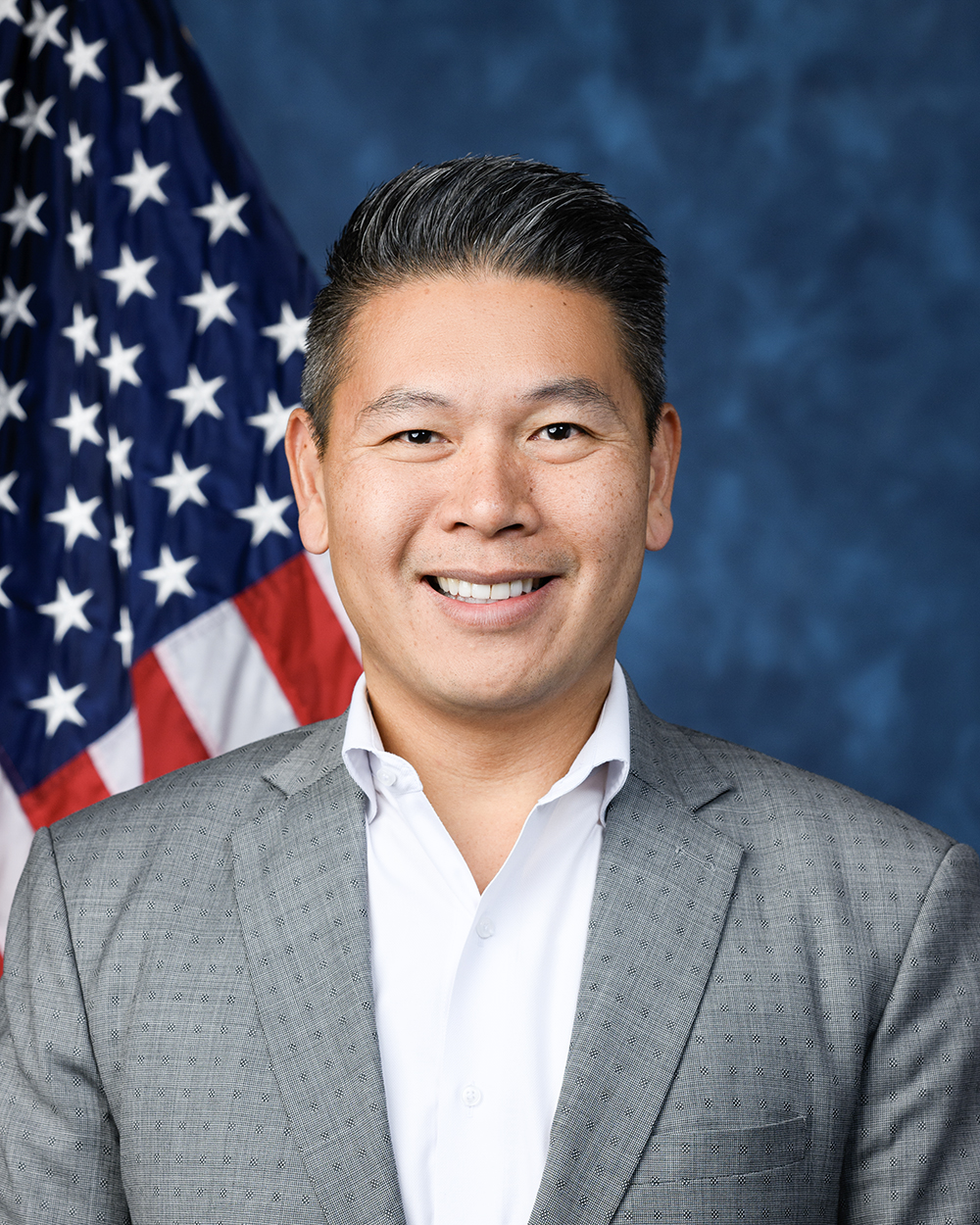
Rep. Derek Tran
Sponsored bills
Maddy summaryThis bill provides tax relief to individuals affected by qualifying disasters. It allows taxpayers to use their previous year's earned income to calculate tax credits like the Earned Income Tax Credit if their 2025 income was reduced by a disaster. The bill temporarily removes limits on charitable contributions for disaster relief, permits penalty-free withdrawals up to $100,000 from retirement plans, and adjusts rules for claiming personal casualty losses related to disasters. These provisions apply to individuals whose principal homes were in designated disaster areas during specific periods. The bill aims to help disaster survivors recover financially by easing tax burdens related to their losses.
Maddy summaryHR 6902, the Youth Substance Use Prevention and Awareness Act, expands a federal grant program to fund research-based public service announcement (PSA) campaigns targeting youth substance use prevention. It authorizes grants for campaigns using age-appropriate materials across TV, radio, print, outdoor, and digital media, including youth-submitted PSA contests. The bill requires the Attorney General to publish annual reports detailing each campaign's research basis, regional messaging, alignment with other prevention efforts, and evaluation of its effectiveness in reducing youth drug use. This directly affects federal grant recipients and aims to standardize and measure the impact of youth-focused prevention messaging.
Maddy summaryHRES 956 is a symbolic resolution passed by the U.S. House of Representatives condemning an antisemitic attack that occurred during a Hanukkah celebration in Sydney, Australia, on December 14, 2025. It expresses strong condemnation of the shooting (which caused deaths and injuries), extends condolences to victims and the Australian Jewish community, and affirms the right to worship freely. The resolution also reaffirms the U.S. commitment to combating antisemitism and terrorism and urges the Australian government to address rising antisemitism and protect religious communities. As a non-binding resolution, it does not create new laws or directly affect any individuals or groups.
Maddy summaryThe Protect America's Workforce Act cancels an executive order issued on March 27, 2025, that excluded certain groups from federal labor-management relations programs, making it legally unenforceable. It also ensures that all collective bargaining agreements between federal agencies and labor unions, which were active as of March 26, 2025, remain fully effective until their agreed terms expire. This directly affects federal agencies, labor unions, and the employees covered by these agreements. The bill prevents federal funds from being used to implement the canceled executive order while preserving existing labor agreements.
Miracle on Ice Congressional Gold Medal Act This act provides for the award of Congressional Gold Medals to the members of the 1980 U.S. Olympic men's ice hockey team in recognition of the team's achievement at the 1980 Winter Olympic Games.
Maddy summaryHRES 948 is a commemorative resolution honoring the 50th anniversary of Southeast Asian refugee resettlement in the United States, directly affecting over 3 million Southeast Asian Americans. It recognizes their contributions to U.S. society, including military service during the Vietnam War era and ongoing cultural, economic, and social impacts. The resolution specifically commemorates key historical milestones (like the fall of Saigon and Khmer Rouge genocide) and acknowledges challenges these communities continue to face, such as health disparities and language barriers. It does not create new policies but affirms the nation's commitment to supporting refugees and immigrants. The resolution was introduced by Representatives Tran, Meng, Barragán, and others in December 2025.
Maddy summaryHR 6678, the Senior Legal Hotline Act of 2025, authorizes $10 million annually (2027-2031) to fund competitive grants for nonprofits or government partnerships to establish or operate statewide legal hotlines serving older adults. The hotlines must provide free, phone-based legal counseling, referrals, and advocacy on civil issues to seniors with the greatest economic or social need, coordinating with existing legal aid providers across each state. Grantees must contribute 25% of costs from non-Federal funds and ensure staff/volunteers have no conflicts of interest. This bill directly affects older individuals facing legal barriers they cannot afford to resolve, expanding access to free legal assistance through a coordinated state network.
Maddy summaryHR 6259, the "No Fentanyl on Social Media Act," requires the Federal Trade Commission (FTC) to produce a detailed report within one year of enactment. The report must examine how minors access fentanyl (including pressed pills) through social media platforms, covering sellers' methods, health risks, platform design impacts, and current measures by platforms, law enforcement, and medical professionals. It specifically asks for recommendations to reduce this access and mandates consultation with stakeholders like parents and medical experts. The bill does not ban fentanyl sales or create new penalties; it solely focuses on gathering information to inform future policy.
Maddy summaryThe Military in Law Enforcement Accountability Act requires the President to submit detailed justification to Congress before the military provides support to civilian law enforcement, including specific budget, timeline, and funding details, with a 30-day limit on such support unless Congress approves a longer period through a specific joint resolution process. It prohibits Department of Defense personnel (including military members) from holding civilian law enforcement positions concurrently, with limited exceptions for reserve members who must recuse during active duty. The bill also removes the military's authorization to deploy for "civil disturbances" without the new approval process and establishes a private right for individuals or governments to sue the federal government for violations. This directly affects the Department of Defense, military support to local police agencies, and DoD personnel's dual employment policies.