

Maddy summaryBill H 4489 requires pharmaceutical manufacturers to disclose pricing information - including wholesale cost trends, research spending, and explanations for price changes - to a state commission. The commission reviews this data to assess whether drug pricing is unreasonable compared to a "proposed value" and then issues public recommendations, such as bulk purchasing programs or adjusted insurance costs, to improve affordability. Manufacturers face potential civil penalties of up to $500,000 for non-compliance or providing false information. The bill explicitly states its process does not affect individual patient treatment decisions or health plan coverage determinations.
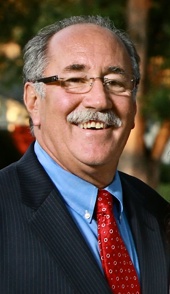
Rep. Jim O'Day
Sponsored bills
By Ms. Lovely, a petition (accompanied by bill, Senate, No. 2579) (subject to Joint Rule 12) of Joan B. Lovely and James J. O'Day for legislation to ban the use of DEHP, a plasticizer found in IV bags and tubing, due to concerns about its potential health risks. Public Health.
Maddy summaryHD 4041 requires the state of Massachusetts to cover the full cost of fringe benefits (including pensions and health insurance) and incremental salary increases from collective bargaining agreements for employees at public universities and colleges. It applies to faculty and staff covered by agreements with the University of Massachusetts or the Board of Higher Education, excluding grant-funded or auxiliary positions. The bill mandates that these institutions must certify each agreement will ensure average salaries for each job category reach at least the national average (adjusted for cost of living) by the contract’s end. This shifts funding responsibility from institutions to the state budget for these specific costs.
Maddy summaryHD 2014 modifies Massachusetts law to allow most public employees to strike after six months of collective bargaining negotiations, while permanently banning strikes by public safety employees (like police and firefighters). It changes existing law to require a minimum six-month negotiation period before a strike can occur for non-public safety workers, and specifies that public safety employees cannot strike under any circumstances. The bill amends Chapter 150E to clarify that strike restrictions apply during negotiations and end once an impasse is formally filed, except for public safety roles. These changes directly affect public sector workers in non-emergency roles and their unions. The policy focuses on balancing labor rights with public safety considerations through defined negotiation timelines.
Maddy summaryThis bill changes the quorum requirement for the Worcester Regional Retirement System Board Advisory Council. It sets a quorum at 17 members, including both the Board Chairman and the Advisory Council Chairman (or their acting replacements if either is absent or unable to attend). The bill overrides previous state law and regulations about quorum rules for this specific council, ensuring meetings can only proceed when these specific leadership positions are represented alongside 15 other members. This affects how the council conducts its business and meets legal requirements for valid meetings.
By Representative O'Day of West Boylston, a petition (subject to Joint Rule 12) of James J. O'Day relative to the manufacture and sale of toxic-free medical devices. Public Health.
Maddy summaryThis bill mandates a study by Massachusetts' Department of Public Utilities to examine the process for setting reimbursement rates for involuntary vehicle towing. The study requires analyzing historical rate adjustments, current process issues, methods used in other states, tow company participation data, economic factors, and cost differences between towing types. The department must hold public hearings (including one outside Boston) and submit a report with recommendations within six months. This study aims to identify ways to streamline the administrative process, directly affecting the towing industry and state regulatory procedures. The bill itself does not change rates but sets the groundwork for potential future reforms.
By Representative Rogers of Cambridge, a petition (accompanied by bill, House, No. 282) of David M. Rogers and others relative to the safety of individuals with disabilities relying on life-support equipment. Children, Families and Persons with Disabilities.
Maddy summaryThis bill (H 4898) requires Massachusetts health insurers and Medicaid to cover specific addiction and mental health treatment services without preauthorization. It defines three key services: "acute treatment" (24-hour medically supervised addiction care), "clinical stabilization" (post-detox recovery support), and "co-occurring treatment" (inpatient psychiatric care for dual diagnosis). The law mandates coverage for up to 14 days for clinical stabilization and co-occurring services, with facilities required to notify insurers within 48 hours of admission. It directly affects Commonwealth employees (via Group Insurance Commission), Medicaid beneficiaries, and private insurers offering hospital/surgical coverage in Massachusetts. Medical necessity is determined by clinicians, not insurers, streamlining access to critical early recovery care.
By Representative O'Day of West Boylston, a petition (subject to Joint Rule 12) of James J. O'Day relative to access to applied behavior analysis services in schools. Education.