By Mr. Montigny, a petition (accompanied by bill, Senate, No. 640) of Mark C. Montigny, John F. Keenan, Joanne M. Comerford, Michael O. Moore and other members of the General Court for legislation to promote humane cosmetics and other household products by limiting the use of animal testing. Environment and Natural Resources.
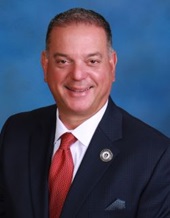
Rep. Angelo Puppolo
Sponsored bills
Maddy summaryThis bill designates all Commonwealth watershed lands as either "Parks" (for recreation with strict resource protection) or "Reserves" (for minimal human interference to protect ecosystems). It establishes a Reserves Scientific Advisory Council of eight scientific experts to oversee Reserve management and provide biennial reports to the governor. The bill requires the commissioner to develop public-input watershed management plans every five years, focusing on forest protection, climate resilience, carbon storage, and water quality. These plans must align with the new land classifications and prohibit selling or removing natural resources except for specific management needs like erosion control or public safety. The bill directly affects how Massachusetts manages its watershed systems, including the Quabbin Reservoir area.
Maddy summaryThis bill creates a new "Reserves Scientific Advisory Council" to guide Massachusetts' forest reserve system. The eight-member council, including experts from environmental organizations and universities, will oversee reserve management, recommend new acquisitions, and ensure minimal human intervention in reserves. It requires public hearings for major changes and mandates that management plans for all reserves include public input and protect natural resources. The bill directly affects how state forests and protected lands are managed across Massachusetts, particularly within the urban parks district areas defined in the law.
Maddy summaryThis bill requires Massachusetts to designate at least 30% of its Wildlife Management Area lands as "Reserves" by January 1, 2030, maintaining this percentage as new lands are acquired. Reserves must be selected based on ecological criteria like old-growth forests, contiguous habitats, wetlands, and carbon storage capacity, and will be managed to preserve natural conditions with minimal human intervention. A new Scientific Advisory Council of eight environmental experts will oversee Reserve designations, submit biennial reports to the governor, and advise on management, while prohibiting new commercial infrastructure like solar farms, pipelines, or cell towers in Reserves (except for limited public facility upgrades with minimal environmental impact). The bill defines Reserves as protected areas for scientific research, habitat conservation, and carbon storage, banning resource extraction except for specific management needs like erosion control or invasive species removal.

Maddy summaryThis bill establishes permanent standard time in Massachusetts, eliminating the biannual clock changes required by federal law. It directly affects all state operations, public schools, local governments, and contracts within Massachusetts by making standard time the permanent default. The key provision amends state law to exempt Massachusetts from the federal Uniform Time Act, removing the need to adjust clocks for daylight saving time. The bill takes effect only after all five New England states (Connecticut, Massachusetts, New Hampshire, Rhode Island, and Vermont) enact similar legislation.
Maddy summaryThis bill requires Massachusetts state agencies to transition their medium- and heavy-duty truck fleets to zero-emission vehicles (specifically battery electric models). Starting July 1, 2025, all new purchases or leases for such vehicles must be zero-emission, with the entire fleet fully converted by June 30, 2035. Exceptions are allowed if battery electric trucks don’t meet operational needs or charging infrastructure can’t support them, but agencies must explain each exception annually. The bill also mandates yearly reports detailing fleet composition, vehicle specifications, and justification for non-zero-emission purchases.
Maddy summaryThis bill requires Massachusetts state agencies to transition their medium- and heavy-duty truck fleets to battery electric vehicles. Starting July 1, 2025, all new purchases or leases must be battery electric trucks, with the entire fleet fully converted by June 30, 2035, unless infrastructure limitations or lack of suitable models prevent it. Agencies must annually report fleet details and justify any exceptions to using zero-emission vehicles. Additionally, the bill delays Massachusetts from implementing California's Advanced Clean Trucks regulations until at least July 1, 2027. The policy directly affects state agencies managing vehicle fleets and aims to reduce transportation emissions through fleet electrification.
By Representative Puppolo of Springfield, a petition (subject to Joint Rule 12) of Angelo J. Puppolo, Jr., and others for the issuance of an annual proclamation by the Governor to designate May 2 as veterinary youth day. State Administration and Regulatory Oversight.
Maddy summaryThis bill establishes new standards for school libraries across Massachusetts public, charter, private day, residential, and collaborative schools. It requires the state education department to adopt guidelines from the American Association of School Librarians and the Massachusetts School Library Association that ensure libraries are staffed by certified librarians, provide equitable access to resources, and support personalized learning. The standards mandate well-rounded book collections, information literacy instruction for all students, and integration of learning technologies into the curriculum. Additionally, the bill directs the department to conduct regular studies on library program implementation and report findings to the legislature every three years.
Maddy summaryThis bill requires Massachusetts public and charter schools to provide all K-8 students with at least 30 minutes of daily supervised outdoor recess when weather permits, or indoor physical activity if needed. Schools cannot reduce recess time due to curriculum changes or withhold it for academic work, individualized education plans, or completing classroom tasks. Exceptions apply to shortened school days (e.g., delayed openings) and field trip days.