

Senate, January 29, 2024 --The committee on Consumer Protection and Professional Licensure, to whom was referred the petitions (accompanied by bill, Senate, No. 213) of Michael F. Rush for legislation relative to the licensure of appraisers; (accompanied by bill, Senate, No. 214) of Michael F. Rush and Paul McMurtry for legislation relative to the licensure of appraisers; and (accompanied by bill, House, No. 262) of Tackey Chan, Paul R. Feeney and others relative to the licensure of appraisers, report the accompanying bill (Senate, No. 2568).
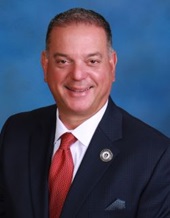
Rep. Angelo Puppolo
Sponsored bills
Maddy summaryThis bill establishes a new Auto Damage Appraiser Licensing Board within the Division of Occupational Licensure to regulate professionals who assess vehicle damage. The board will consist of seven members appointed from the auto body repair industry, insurance companies, the Attorney General's office, and consumer representatives, with one member serving as chair. Key provisions include limiting members to two consecutive three-year terms and requiring vacancies to be filled within 60 days. The legislation aims to create a structured oversight body specifically for auto damage appraisers in Massachusetts.
Maddy summaryThis bill amends Massachusetts law to formally define and address psychological abuse in the workplace, directly affecting employers, employees, and independent contractors. It introduces specific legal definitions for terms such as bullying, mobbing, and toxic work environments to clarify what constitutes mental mistreatment. The legislation also establishes new terminology for psychological injury, ensuring that mental harm is recognized with the same evidentiary standards as physical injury. By updating Chapter 149 of the General Laws, the bill aims to create a clearer legal framework for identifying and addressing non-physical harassment and abuse in employment settings.
Maddy summaryThis bill aims to increase access to hearing aids by modifying existing laws that currently restrict how physicians and audiologists can sell these devices. It allows audiologists and otolaryngologists to sell hearing aids to patients they have treated, provided they clearly disclose all fees and costs before the sale and inform the patient of their right to purchase elsewhere. Additionally, the legislation permits audiologists and hearing instrument specialists to sell hearing aids while working for or being affiliated with an otolaryngologist. These changes are designed to reduce barriers for patients seeking hearing care by expanding who can provide these services and ensuring transparency in pricing.
Maddy summaryThis bill requires all public colleges and universities in Massachusetts to grant college credit for Advanced Placement exam scores of three, four, or five to help students meet degree requirements. Institutions must clearly state on their websites how these credits apply to general education, major, or elective courses and ensure they can be transferred to other schools. While schools can still require higher scores, they must provide specific evidence that a score above three is necessary for success in related courses, and the Department of Higher Education will offer guidance on what counts as valid evidence. Additionally, the state's higher education board must annually review these policies and report its findings to the legislature by July 1 each year.
Maddy summaryThis bill requires home inspectors to inform buyers and renters about potential pyrite or pyrrhotite issues in concrete foundations. It also mandates that anyone seeking a license to mine or produce concrete aggregate must submit a geological report and test results for these minerals. Additionally, the legislation establishes a Crumbling Concrete Assistance Fund to support the implementation of these new safety requirements.
By Mr. Oliveira, a petition (accompanied by bill) (subject to Joint Rule 12) of Jacob R. Oliveira, Brian M. Ashe and Angelo J. Puppolo, Jr. for legislation relative to entrance fee refund provisions in continuing care agreements and written residency agreements. Elder Affairs.
Maddy summaryThis Massachusetts bill updates the legal definition of fraud within public construction bidding to help ensure fair competition for government projects. It requires bidders to explicitly certify that their bids contain no intentional misrepresentations, omissions, or false statements, while also clarifying that the term "person" includes various business entities and joint ventures. The legislation further defines "fraud" as a knowingly false or misleading statement about a material fact intended to deceive, and it revises the definition of a "responsible" bidder to emphasize necessary skill, ability, and integrity. These changes directly affect construction companies and individuals submitting bids for state contracts by establishing clearer standards for honesty and accountability in the bidding process.
Maddy summaryThis bill directs the Massachusetts Office of Information Technology to evaluate cloud computing services when purchasing new technology for state agencies. It requires the office to consider security benefits, data protection measures, and potential cost savings associated with cloud options. Additionally, the legislation mandates that the office develop standards for application development and data elements across the executive branch. The bill also establishes a requirement for annual independent security assessments and regular reporting on the status of state IT projects to legislative committees.