

Maddy summaryThis bill requires insurance companies in Massachusetts to cover autism-related benefits for dependents of policyholders, regardless of the dependent's age. It mandates that various types of health plans, including group policies, hospital service agreements, and health maintenance contracts, must include these specific coverage provisions. The legislation also updates the legal definition of an "eligible dependent" to ensure that children with autism spectrum disorders remain covered by their parents' insurance plans even after turning twenty-six. These changes apply to policies delivered, issued, or renewed within the state, with exceptions for stand-alone dental services and government programs like Medicare.
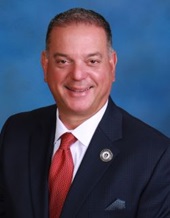
Rep. Angelo Puppolo
Sponsored bills
Maddy summaryThis bill prohibits dental benefits corporations, medical service corporations, health maintenance organizations, and preferred provider arrangements from requiring dentists to accept specific fees for services the organization does not cover or reimburse. The law directly affects dental providers who work with these entities and the patients they serve by preventing contracts that mandate accepting non-covered rates. By adding these restrictions to existing state statutes, the legislation ensures that dentists are only obligated to accept particular fees for procedures that the insurance plan actually pays for.
Maddy summaryThis bill amends Chapter 260 of the Acts of 2020 to clarify the definition of a "health care provider" under existing state regulations. The change specifically excludes dentists from this definition, ensuring that rules intended for general health care providers do not apply to dental professionals. By making this distinction explicit, the legislation aims to prevent confusion regarding which providers must comply with specific health care delivery requirements. The update affects state health care regulations and the administrative oversight of medical and dental practitioners in Massachusetts.
Maddy summaryThis bill amends Massachusetts insurance laws to allow individuals with dental insurance to direct their benefits payments directly to a dentist who has not contracted with their insurance plan. To use this option, a patient must provide written authorization on a claim form, and the insurance company must then pay the dentist an amount at least equal to what they pay participating providers. The law permits insurers to review the specific patient's records to verify that the dental service was actually performed before making the payment. This change applies to most standard dental plans but excludes coverage for limited benefit policies such as accident-only insurance or disability income plans.
Maddy summaryThis bill amends Massachusetts law to require health insurers to pay ambulance service providers directly for emergency services rendered to insured individuals, even when the provider is not part of the insurer's existing network. The legislation mandates that insurers make these payments promptly once an insured person signs an assignment of benefits or is unable to do so due to their condition. By establishing a direct payment pathway, the bill aims to ensure that emergency medical transport providers receive compensation without relying on the insured to pay out-of-pocket first. This change applies to all types of insurance policies covering transportation services within the state, including those held by individuals and organizations.
March 14, 2024 -- The committee on Public Health, to whom was referred the petitions (accompanied by bill, Senate, No. 1380) of Adam Gomez, Vanna Howard, Jack Patrick Lewis, Angelo J. Puppolo, Jr. and other members of the General Court for legislation to strengthen our public health infrastructure to address alzheimer’s and all dementia; and (accompanied by bill, House, No. 2178) of Denise C. Garlick and others for legislation to strengthen the public health infrastructure to address Alzheimer’s Disease and dementia, report the accompanying bill (Senate, No. 2683).
Maddy summaryThis bill creates a new Science Advisory Board to help Massachusetts regulate emerging contaminants in public drinking water systems. The board will consist of 13 members appointed by the Governor, including representatives from state agencies, water utilities, and various health and environmental organizations. To regulate a new substance, both the board and the state Department of Environmental Protection must agree that the contaminant poses a health risk and that reducing it is feasible. The board is required to base its decisions on peer-reviewed scientific studies and must provide a detailed analysis explaining which studies it considered and why.
By Representative Hawkins of Attleboro, a petition (accompanied by bill, House, No. 2339) of James K. Hawkins and others relative to the reduction of certain toxic chemicals in firefighter personal protective equipment. Public Safety and Homeland Security.
Maddy summaryThis bill proposes to increase the minimum required auto insurance limits for drivers in Massachusetts. It would raise the minimum bodily injury coverage from $20,000 per person to $50,000 and from $40,000 per accident to $100,000. Additionally, the minimum property damage coverage would increase from $5,000 to $30,000. These changes would directly affect all drivers in the state who currently purchase the standard minimum liability insurance.
Maddy summaryThis bill raises the state's minimum required auto insurance coverage for bodily injury from $5,000 to $25,000, directly affecting all Massachusetts drivers who must carry liability insurance. The change takes effect on January 1, 2025, and also mandates that the insurance commissioner conduct a study every ten years to review whether these limits remain adequate while considering their impact on insurance premiums. The study will compare Massachusetts' limits with other states and include input from insurance industry representatives before the commissioner submits findings and potential future legislation to the legislature by July 2025.