

Maddy summaryThis bill establishes a new Auto Damage Appraiser Licensing Board within the Division of Occupational Licensure to regulate professionals who assess vehicle damage. The board will consist of seven members appointed from the auto body repair industry, insurance companies, the Attorney General's office, and consumer representatives, with one member serving as chair. Key provisions include limiting members to two consecutive three-year terms and requiring vacancies to be filled within 60 days. The legislation aims to create a structured oversight body specifically for auto damage appraisers in Massachusetts.
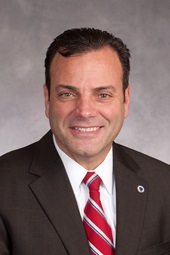
Rep. Paul McMurtry
Sponsored bills
Maddy summaryThis bill allows employers in Massachusetts to pay final wages to a deceased employee's family without waiting for formal court documents like letters of administration. Under the new rules, an employer can make this payment if they receive a written affidavit from a surviving spouse, adult children, parents, siblings, or someone who paid funeral costs, along with proof of death and relationship. Once the employer pays these wages based on the affidavit, they are fully protected from any future legal claims regarding that specific payment. The law also requires employers to keep the written demand and payment proof in the employee's personnel file.
Maddy summaryThis bill creates a new Medical Debt Protection Act in Massachusetts to shield patients and families from aggressive collection tactics. It defines specific actions, such as selling debts, reporting negative information to credit agencies, or seizing wages and bank accounts, as "extraordinary collection actions" that are prohibited. The law also restricts medical debt buyers from charging interest and requires them to honor agreements that prevent double billing if a patient qualifies for financial assistance. By amending state statutes, the legislation directly limits how healthcare providers and debt collectors can pursue unpaid medical bills.
Maddy summaryThis bill requires licensed ticket sellers and platforms in Massachusetts to clearly show the full price of a ticket, including all mandatory fees, before a customer selects it for purchase. It mandates that the total cost and the specific amount of any service charges be displayed prominently in the same font size as the total price to prevent confusion. Additionally, the law prohibits sellers from increasing the ticket price during the checkout process, with the exception of reasonable delivery fees for non-electronic tickets that are disclosed before payment is accepted. These rules apply to anyone selling tickets for events like theater shows, public performances, or amusement parks that require a license.
Maddy summaryThis bill would prohibit event ticket sellers from selling tickets to resellers before the general public has a chance to buy them. It also bans resellers from using software designed to limit how quickly the public can purchase tickets within the first 24 hours of a sale. These rules apply to anyone selling tickets for concerts, sports events, or similar activities in Massachusetts. The legislation aims to prevent scalpers from securing large quantities of tickets early and to ensure broader access for regular buyers.
Maddy summaryThis bill aims to increase access to hearing aids by modifying existing laws that currently restrict how physicians and audiologists can sell these devices. It allows audiologists and otolaryngologists to sell hearing aids to patients they have treated, provided they clearly disclose all fees and costs before the sale and inform the patient of their right to purchase elsewhere. Additionally, the legislation permits audiologists and hearing instrument specialists to sell hearing aids while working for or being affiliated with an otolaryngologist. These changes are designed to reduce barriers for patients seeking hearing care by expanding who can provide these services and ensuring transparency in pricing.
Maddy summaryThis bill establishes a special commission in Massachusetts to study and develop policies against the financial abuse of people over the age of 60. The commission will be composed of legislators, legal experts, advocates for the elderly, representatives from the real estate and financial industries, and staff from aging councils. Its specific tasks include investigating how financial abuse impacts seniors, reviewing predatory lending practices, examining undervalued property transfers, and analyzing deceptive telemarketing or online scams targeting older adults. The group is required to submit a final report with policy recommendations to state officials by December 31, 2021.