

Maddy summaryThis bill creates a new program to help Massachusetts veterans pay for the costs of taking municipal civil service exams. It authorizes the state commissioner to reimburse eligible veterans for these exam fees, with a limit of three reimbursements per person and a condition that no further reimbursement is allowed if the veteran fails a subsequent exam. The program will be developed in collaboration with service organizations and other stakeholders to support veteran employment.
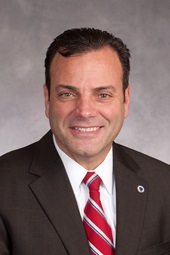
Rep. Paul McMurtry
Sponsored bills
Maddy summaryThis bill amends Massachusetts law to require municipalities to maintain a certified list of at least three qualified outside consultants for each field needed in land use reviews. It allows applicants to choose a consultant from this list and receive proposals from each before making a selection, while also ensuring that applicants are not charged for the consultants' travel expenses. Additionally, the bill mandates that different local boards coordinate their use of these consultants to prevent unnecessary duplication of reviews. These changes aim to make the process of hiring experts for land use determinations more transparent and equitable for developers and property owners.
Maddy summaryThis bill creates a property tax exemption for seniors in Massachusetts who make home modifications to improve accessibility or enable independent living. To qualify, homeowners must be at least 65 years old, live in the home as their primary residence, and meet specific income and property value limits that are adjusted annually for inflation. The tax relief applies only to the increased property value resulting from the modifications and is available in any city or town that chooses to adopt the law. Additionally, the bill ensures that receiving this tax exemption does not disqualify seniors from other means-tested government assistance programs.
Maddy summaryThis bill requires public buildings in Massachusetts that are newly built, reconstructed, or remodeled on or after January 1, 2026, to include at least one universal changing station. The law defines these stations as enclosed restroom facilities accessible to people of any sex and designed for individuals of any age who need help with diapering. It expands the definition of public accommodations to include public parks and rest stops, ensuring these spaces also comply with the new requirement. The Architectural Access Board is tasked with creating specific rules to enforce this mandate by January 1, 2024.
Maddy summaryThis bill extends liability protection to licensed registered nurses who volunteer their services during declared disasters or public health emergencies in Massachusetts. It shields these volunteers from licensure board discipline, civil lawsuits, and criminal prosecution for injuries or harm caused to patients, provided their actions do not amount to criminal negligence. Additionally, the legislation ensures that volunteer nurses who are injured, disabled, or die while serving are treated as state employees for the purpose of receiving workers' compensation benefits. The law specifically applies to nurses in good standing who provide care without expectation of payment when local resources are insufficient to meet community needs.
Maddy summaryThis bill creates a grant program to help Massachusetts residents with disabilities or their caregivers afford necessary home modifications. Eligible individuals with incomes at or below 120% of the area median income can receive up to 50% of the cost for approved changes, with a maximum grant of $5,000. The program covers specific improvements like zero-step entrances, wider doorways, accessible bathrooms, and medical equipment backups, provided the work meets established accessibility standards. Applicants must submit proof of completed renovations, such as invoices and before-and-after photos, to receive funding. The Massachusetts Rehabilitation Commission will oversee the program guidelines in consultation with the relevant department.