

Maddy summaryHD 1252 requires doctors to discuss risks and obtain written consent before first-time prescriptions of benzodiazepines (like Xanax) or non-benzodiazepine hypnotics (like Ambien). Doctors must evaluate patient history, discuss alternatives, and explain risks of addiction, overdose, and long-term use in plain language. This applies to all patients, with parents or guardians involved for minors. The law updates existing opioid prescription rules but centers new requirements specifically on sedative medications like benzos and hypnotics.
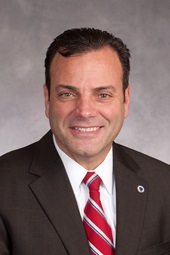
Rep. Paul McMurtry
Sponsored bills
Maddy summaryThis bill ensures teachers who move from classroom roles to positions at the Executive Office of Education or the Department of Elementary and Secondary Education retain their status in the teacher retirement system (or Boston retirement system), avoiding a switch to the state employees' retirement system. It requires such employees to pay makeup contributions for the difference in retirement payments between systems during their time in state education roles. Additionally, it creates a one-time 180-day opportunity for eligible teachers (who began contributing before July 2001 and didn’t choose an alternative retirement program) to join a specific retirement benefit program. The bill directly affects current and future educators transitioning to state education agency jobs, focusing on maintaining retirement benefits and contribution continuity.
Maddy summaryH 4706 establishes a licensing system for home care agencies in Massachusetts, requiring them to obtain and maintain a license from the Executive Office of Health and Human Services. It mandates background checks for all home care workers (including criminal history, federal exclusion lists, and driving records for drivers), sets minimum standards for consumer service plans and contracts, and requires agencies to carry workers' compensation and liability insurance. The bill also mandates annual training for workers on topics like abuse reporting, dementia care, safety, and privacy. This directly affects home care agencies, home care workers, and the thousands of Massachusetts residents receiving home care services in their homes.
Maddy summaryThis bill establishes standards for facilities seeking certification as "Medical Health and Fitness Facilities" (MHFF) in Massachusetts. It directly affects fitness facilities that want to operate with medical services, requiring them to implement specific safety protocols, staffing qualifications, cleaning procedures, and air quality systems. Key provisions include mandatory medical assessments for members, a Medical Advisory Board with a licensed physician, certified staff positions, EPA-approved disinfection schedules, and mandatory installation of special air-cleaning units that reduce pathogens by 90% in air and 95% on surfaces. Facilities must apply to the Department of Public Health for certification, which lasts 24 months and requires compliance with all outlined safety and operational standards.
Maddy summaryThis bill requires new or significantly renovated residential buildings with four or more dwelling units (like apartments, dorms, or hotels) to install automatic sprinkler systems, unless adequate water supply is unavailable - then alternative fire suppression systems may be permitted. Building owners with compliant systems may qualify for reduced fire insurance rates, and fire departments enforce these rules. Disputes over enforcement can be appealed to a fire sprinkler appeals board within 45 days, which may grant waivers or allow modified systems for historic or unique buildings. The law does not override stricter building code requirements and exempts projects approved within one year before the law takes effect.
Maddy summaryHD 774 removes barriers for physician assistants (PAs) by expanding their scope of practice and improving access to care. The bill allows PAs to perform medical services within their training without requiring physician supervision for certain tasks, ensures insurance coverage for PA-provided services identical to those by physicians, and permits PAs to bill insurers directly. It also establishes a 2,000-hour collaborative practice requirement in hospital settings for PA licensure. This directly affects PAs, patients seeking care, and healthcare insurers by streamlining care delivery and billing processes.
Maddy summaryH 4767 requires health care employers in Massachusetts (including hospitals, mental health facilities, and certain state-operated care facilities) to create and maintain workplace violence prevention programs. Employers must conduct annual risk assessments covering factors like working alone, high-crime areas, and patient behavior, then develop written plans with employee training, reporting systems, and crisis response teams. The law mandates specific provisions such as staff training on reporting violence, post-incident debriefings, and designated senior managers for crisis response. Violations can result in fines up to $2,000 per offense, and employees cannot be retaliated against for reporting safety concerns.
Maddy summaryThis bill requires healthcare providers and facilities in Massachusetts to screen children for PANDAS (Pediatric Autoimmune Neuropsychiatric Disorders Associated with Streptococcal Infections) and PANS (Pediatric Acute Onset Neuropsychiatric Syndrome) during routine care. It mandates that all physicians, child psychiatrists, psychologists, social workers, and mental health counselors screen patients using evidence-based protocols developed by the Department of Public Health. Healthcare facilities serving children must ensure these screenings occur at specified intervals. The bill also requires the Department to establish clinical criteria for diagnosis and develop implementing regulations within 180 days. The screening requirement applies to all medical and clinical settings treating children.
Maddy summaryThis bill creates a PFAS Remediation Trust Fund to address contamination in Massachusetts drinking water, groundwater, soil, and other environmental media. It directly affects communities with PFAS pollution, including vulnerable environmental justice areas, private well owners, and public water systems. The fund provides grants for PFAS treatment, remediation, and outreach programs, prioritizing communities with limited resources. Money comes from settlements with PFAS manufacturers, other grants, and interest, with strict rules requiring repayment if responsible parties are later identified.
Maddy summaryHD 830 increases the monthly personal needs allowance for long-term care residents in Massachusetts from $72.80 to $113.42. It directly affects individuals living in licensed nursing facilities, chronic hospitals, rest homes, or other approved medical institutions who are not maintaining their own homes. The bill ensures these residents retain the first $113.42 of their monthly income for personal expenses or receive the difference if their income is lower, with the amount automatically adjusted annually at the same rate as other state supplementary payments. This change applies to all relevant care settings covered under chapters 117A, 118A, and 118E of the General Laws.