

In committee Mar 6, 2024
1 co-sponsor
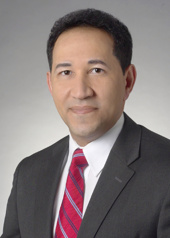
Rep. Carlos González
Total votes
1,241
all sessions
Attendance
99%
16 missed
Lower than 83% of chamber peers
With party
99%
of cast votes
Near the chamber average
Bipartisan score
0%
crosses aisle rarely
Near the chamber average
Sponsored
1,718
bills & resolutions
Near the chamber average
Committees
6
assignments
1,718 bills and resolutions
Sponsored bills
Total
1,718
Primary
156
Co-sponsor
1,562
This page
1,718
matching current filters
An Act relative to improving the Massachusetts Paid Family Medical Leave Law
Maddy summaryThis bill aims to improve Massachusetts' Paid Family and Medical Leave Law by clarifying how employers can count toward the required wage contributions. It allows employers to include funds from existing temporary disability policies, paid family leave programs, and various types of paid time off, such as sick or vacation leave, even if those are provided through collective bargaining agreements. Additionally, the legislation requires employers to inform employees of their eligibility for paid leave within five business days of a request, ensuring the notification is provided in the employee's primary language. These changes directly affect employers and employees by expanding the sources of eligible wages and standardizing the process for requesting leave.
Passed Mar 4, 2024
1 co-sponsor
An Act establishing maternal mental and behavioral health care workforce grants
Maddy summaryThis bill creates a grant program to help grow and diversify the workforce of mental and behavioral health professionals who specialize in maternal care. The funds would support schools and training programs that educate future providers, including offering scholarships to students from underserved communities. When awarding these grants, the state would prioritize organizations that commit to recruiting students from areas with poor maternal health access and require all programs to include training on implicit bias and racism. The grants could last up to five years, and recipients must agree to report on their progress and work with state agencies to ensure the programs remain effective and sustainable.
Passed Mar 4, 2024
1 co-sponsor
An Act improving the Massachusetts paid family medical leave law
Senate, March 4, 2024 --The committee on Labor and Workforce Development, to whom was referred the petitions (accompanied by bill, Senate, No. 1197) of Jason M. Lewis, Rebecca L. Rausch, Jack Patrick Lewis, Michael D. Brady and other members of the General Court for legislation to improve the Massachusetts paid family medical leave law; (accompanied by bill, Senate, No. 1198) of Jason M. Lewis, Lydia Edwards, James B. Eldridge and Paul R. Feeney for legislation to amend the Massachusetts Paid Family Medical Leave law definitions of a covered business entity and a covered contract worker; (accompanied by bill, House, No. 1858) of Josh S. Cutler and others relative to the publication of hearing decisions by the Department of Family and Medical Leave; (accompanied by bill, House, No. 1859) of Josh S. Cutler and others relative to data reporting by the Department of Family and Medical Leave; (accompanied by bill, House, No. 1860) of Josh S. Cutler and others for legislation to include bone marrow and organ donation in the paid family and medical leave program; (accompanied by bill, House, No. 1888) of Kenneth I. Gordon and others relative to the Massachusetts Paid Family Medical Leave Law; (accompanied by bill, House, No. 1889) of Kenneth I. Gordon and others relative to the definitions of covered business entity and covered contract worker under the Massachusetts Paid Family Medical Leave Law; and (accompanied by bill, House, No. 1942) of Jeffrey N. Roy relative to unemployment benefits for replacement workers, report the accompanying bill (Senate, No. 2605).
In committee Mar 4, 2024
1 co-sponsor
An Act establishing the re-entry works fund
Maddy summaryThis bill creates the Re-Entry Works Fund, a new financial resource managed by the Department of Career Services to assist formerly incarcerated individuals in Massachusetts with finding employment. The fund will be financed through state appropriations, private donations, and interest, and its money cannot be returned to the general state budget at the end of each year. These resources will support job training, wage subsidies, and essential services like transportation and childcare for people transitioning from prison to the workforce. Additionally, the bill requires the department to publish an annual report on program effectiveness and run public awareness campaigns to inform potential participants and employers about available services.
Passed Feb 29, 2024
1 co-sponsor
An Act relative to prevailing wages
Maddy summaryThis bill amends Massachusetts prevailing wage laws to include certain bona fide apprenticeship and training programs. It directly affects construction projects that utilize these specific training initiatives, ensuring they qualify for prevailing wage requirements. The key provision expands the definition of eligible projects to cover apprenticeships that meet established standards, thereby extending wage protections to workers in these programs. This change aims to align training program participants with the wage standards applied to other skilled labor on public works projects.
Passed Feb 29, 2024
1 co-sponsor
An Act to promote high-quality comprehensive literacy instruction in all Massachusetts schools
Maddy summaryThis bill requires every school district in Massachusetts to create and submit an annual literacy strategic plan that outlines how they will teach reading using scientifically proven methods. The law mandates that these plans cover professional training for teachers, the selection of approved reading curricula, and support systems for parents to help their children learn to read. Districts must use programs from a state-approved list, and those with low reading test scores will be required to include their literacy plans in broader long-term improvement strategies. Additionally, the state department of education will develop resources to help districts train staff and will convene a group of experts to recommend ways to spread best practices across the educator workforce.
Passed Feb 26, 2024
1 co-sponsor
An Act to promote food literacy
Maddy summaryThis bill creates a new Food Literacy Trust Fund to support food education programs in Massachusetts schools. The fund will be financed through state appropriations, private donations, federal grants, and interest earnings, with the state treasurer managing the money to maximize returns while ensuring the fund remains solvent. The Department of Elementary and Secondary Education is authorized to use these resources to encourage and facilitate food literacy initiatives in public school districts, charter schools, and approved private institutions. Additionally, the bill requires the education commissioner to submit annual reports to legislative committees detailing the fund's income, spending, and balance.
Passed Feb 26, 2024
1 co-sponsor
An Act relative to the training, assessment, and assignment of qualified school interpreters in educational settings
Maddy summaryThis bill establishes a formal framework for training, assessing, and assigning qualified interpreters to support students and families with limited English proficiency in Massachusetts schools. It creates specific definitions for different types of meetings, such as standard conferences and specialized sessions involving legal or disciplinary matters, and sets criteria for when an interpreter's language skills must be formally evaluated. The legislation also introduces a tiered system for interpreters, distinguishing between those who require formal assessment and those whose proficiency is deemed sufficient without it. Ultimately, the act aims to ensure that all educational interactions involving non-English speakers are conducted by interpreters who possess the necessary language skills, subject matter knowledge, and ethical understanding.
Passed Feb 26, 2024
1 co-sponsor
In committee Feb 26, 2024
1 co-sponsor
Ask Maddy
·
AI policy assistant
Ask Maddy about Carlos González
Scope: massachusetts
Hi! I can help you understand Carlos González's legislative record. What would you like to know?
Try one of these
i
Maddy answers using official bill text and legislative records. Always verify before sharing.
Sources cited inline