

Maddy summaryThis bill establishes the Qualified Resident Enrollment Program to help individuals in Maryland who currently lack health insurance access enroll in qualified plans. It defines "qualified residents" as people living in the state who are not incarcerated, regardless of their immigration status, and who do not qualify for existing federal or state assistance programs like Medicaid or Medicare. The program allows the Maryland Health Benefit Exchange to manage enrollment, potentially with help from a third-party contractor, and requires a specific federal waiver approval before it can begin. Additionally, the legislation creates a dedicated fund to finance the program's operations and administration, ensuring it has the necessary resources to function.
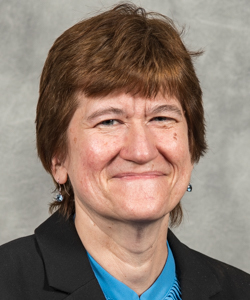
Del. Sheila Ruth
Sponsored bills
Maddy summaryThis Maryland bill redefines consent in sexual crime laws to mean a clear and voluntary agreement, explicitly stating that past relationships, clothing choices, or submission due to fear do not constitute consent. It removes the requirement for force or threats to prove a crime, instead making the lack of consent a standalone element that can be shown through words or actions. The law also clarifies that consent can be withdrawn at any time and cannot be documented in writing. Additionally, the bill mandates that the Maryland Judiciary report annual statistics on sexual crime charges and convictions, broken down by county and demographic factors, until 2029.
Maddy summaryThis Maryland law requires the state's medical assistance program to cover remote ultrasound procedures and fetal nonstress tests for eligible pregnant women and their families. To qualify, patients must be at home or in a location other than their provider's office, and the provider must follow the same safety standards as if the test were done in person. The bill mandates that these remote services use FDA-approved digital technology to securely transmit health data for interpretation by a doctor elsewhere. Additionally, the program must reimburse remote fetal nonstress tests at the same rate as on-site tests, provided the equipment is FDA-cleared for monitoring fetal, maternal, and uterine activity. The law takes effect on October 1, 2024, and the state will issue guidance to help providers implement these new requirements.
Maddy summaryThe Growing Apprenticeships and the Public Safety Workforce (GAPS) Act expands Maryland's apprenticeship program to include a broader range of public safety agencies, such as correctional facilities, in addition to traditional law enforcement departments. This bill increases the maximum grant amount for agencies participating in the program from $2,000 to $5,000 per apprentice and adjusts eligibility requirements to ensure apprentices live in areas with at least 10% poverty. Furthermore, the legislation mandates that the Maryland Police Training and Standards Commission develop mental health wellness policies for law enforcement and correctional facilities while establishing a workgroup to study ways to increase employment in these sectors.
Maddy summaryThis bill creates two new funding programs within the Maryland Technology Development Corporation to support technology-based startups and university-led innovation projects. The first program offers $50,000 grants to startups located in the Baltimore-Columbia-Towson area, while the second pilot program provides incentives for technology businesses founded by students or faculty at local universities. To qualify for the university program, participating schools must contribute up to $50,000 annually, and projects must focus on creating new businesses, commercializing products, or fostering inclusive entrepreneurial development. The legislation also removes a previous requirement for funding a telework assistance grant program and sets aside $1.5 million for the university pilot program for fiscal years 2025 and 2026.
Maddy summaryThis bill establishes the Task Force on Responsible Use of Natural Psychedelic Substances in Maryland to study and make recommendations about the regulation of naturally derived psychedelics like psilocybin and mescaline, while explicitly excluding peyote. The task force will be composed of state officials, healthcare experts, researchers, and community representatives appointed by various leaders to ensure diverse input. Its primary duties include analyzing current laws and data on the benefits and risks of these substances and proposing changes to create a state access program that covers permitting, education, and production rules. The group is tasked with developing specific requirements for a future permit system, such as training curricula and limits on how much individuals can possess or grow. Members of the task force will serve without pay but can be reimbursed for travel expenses, and the Maryland Department of Health Cannabis Administration will provide staff support.
Maddy summaryThis bill updates Maryland's mental health laws to improve how individuals in crisis are evaluated and treated. It requires peace officers to transport people needing emergency evaluation to a nearby facility rather than strictly the nearest one, and it allows psychiatric nurse practitioners to conduct these evaluations alongside physicians. The legislation also mandates that every county establish an assisted outpatient treatment program, which can legally require individuals with severe mental illness to follow a treatment plan if they refuse voluntary care. Additionally, the bill ensures that public defenders provide legal representation during these proceedings and permits electronic submission of necessary petitions.
Maddy summaryThis bill establishes the Center for Firearm Violence Prevention and Intervention within the Maryland Department of Health to address gun violence and misuse through a public health approach. The center will be led by an executive director who coordinates efforts with federal, state, and local agencies while actively seeking input from communities disproportionately affected by firearm violence and public health experts. Key responsibilities include developing state plans for violence reduction, issuing guidance on evidence-based strategies, facilitating data sharing, and conducting public awareness campaigns. Funding for the center will be included in the state budget starting in fiscal year 2026, and the law takes effect on October 1, 2024.
Maddy summaryThis Maryland bill creates a state income tax credit for individuals who harvest antlerless deer and donate the meat to specific nonprofit organizations. To qualify, hunters must follow state laws and donate the processed venison to a 501(c)(3) group that sells or offers donated food for sale. The credit covers up to $300 of butchering and processing costs per deer, with a maximum total credit of $600 per year that cannot be carried over to future years. Additionally, the law grants donors immunity from civil liability for the condition of the donated meat and requires donation programs to report donor names and deer counts to the state comptroller annually.