

Maddy summaryHB 1027 creates a workgroup to study implementing a statewide 3-1-1 nonemergency telephone system in Maryland. The workgroup, composed of 12 members including state agency representatives, county officials, and industry stakeholders, will review existing 3-1-1 services, best practices from other states, and potential solutions for a statewide system. It will develop recommendations on oversight, feasibility, and a virtual portal, reporting findings to the Governor and legislature by November 1, 2025. This bill does not establish the 3-1-1 system itself but directs a study to inform future policy. The workgroup expires June 30, 2026.
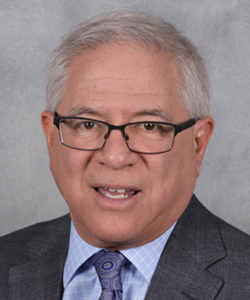
Del. Sandy Rosenberg
Sponsored bills
Maddy summaryHB 1468 transfers Maryland's Cyber Maryland Program from the Maryland Technology Development Corporation to the Maryland Department of Labor, restructuring its governance and operations. The bill requires the Program to award competitive grants for IT/OT workforces starting in fiscal year 2026, alters how the Cyber Maryland Fund can be used (including rolling over unused balances), and updates the Program's purpose to focus on creating a cybersecurity talent pipeline to reduce workforce vacancies by July 2026. It also mandates the Program to coordinate with cybersecurity industry groups, develop a statewide workforce plan, and ensure diversity in outcomes. These changes directly affect Maryland employers seeking cybersecurity talent and state workforce development programs.
Maddy summaryHB 957 requires state contractors to ensure a specified percentage of workers on certain projects are Maryland residents and that a certain percentage of work hours are performed by residents. It directs the Maryland Department of Labor to enforce these residency requirements for state procurement contracts. Contractors who violate these rules may be debarred from future state contracts, with debarment triggered by specific violations like criminal convictions related to contracting or failure to meet residency standards. The bill amends existing procurement law and adds new sections (17-6B-01 to 17-6B-05) to establish these requirements.
Maddy summaryHB 1246 requires Maryland health insurers, nonprofit health plans, and health maintenance organizations to include certain patient discounts, financial assistance, product vouchers, or out-of-pocket expenses paid for prescription drugs when calculating cost-sharing (like copays or deductibles). This applies to covered drugs without a preferred generic equivalent or where prior authorization was needed, but excludes high-deductible health plans. The bill also mandates that providers notifying insureds about the maximum value and expiration date of these discounts. It takes effect January 1, 2026, for all health plans issued or renewed in Maryland after that date. The law directly affects Maryland residents using prescription drug coverage under these health plans.
Maddy summaryHB 1199 creates a new 3-year limited license for internationally trained physicians to practice medicine in Maryland, effective October 1, 2027. It directly affects foreign-trained doctors who meet strict criteria, including holding a WHO-recognized medical degree, completing 2+ years of equivalent postgraduate training, practicing for 5+ years in their home country, passing U.S. medical exams (USMLE Steps 1-3), and residing in Maryland for at least one year. The license cannot be renewed but may lead to full licensure through conditions set by the State Board of Physicians. This provision does not change existing full licensure pathways but adds a temporary option for eligible international physicians.
Maddy summaryThis bill requires licensed hospitals in Maryland to create clinical staffing committees with equal representation from management and employees, including frontline staff such as nurses, patient care technicians, and dietary workers. These committees must develop staffing plans that specify the number of healthcare workers needed on each unit during each shift based on patient volume and acuity levels, with guidelines ideally based on national evidence-based standards. Hospitals must review and update their staffing plans annually by July 1, implement them by January 1, 2026, and publicly post both the plan and daily staffing numbers on patient units and their websites. The bill also establishes a complaint process allowing nurses and other frontline staff to report when staffing assignments do not meet the plan, with committees required to resolve these complaints through a majority vote. State hospitals are exempt from these requirements.
Maddy summaryHB 429 allows counties in Maryland to request the Department of Health to delegate authority for inspecting nursing homes (including site visits and full surveys) to county staff. If a county makes such a request, the Department and the county must equally share the costs of these inspections. This bill directly affects nursing homes (which may be inspected by county staff instead of state staff) and counties that choose to assume this responsibility. It does not change existing inspection frequency requirements but adds a new option for conducting inspections.
Maddy summaryHB 1544 establishes the Maryland Law Enforcement Public Service Medal, the state's highest honor for officers demonstrating extraordinary bravery, sacrifice, or impact on public safety during critical incidents. It requires a law enforcement agency to grant a one-grade promotion to medal recipients and creates a review committee to evaluate nominations from agencies, officials, or community groups. The bill also mandates an annual state ceremony honoring six specific workers who died in the 2024 Francis Scott Key Bridge collapse, listing them on a permanent honor roll at the State House. This affects current and future law enforcement officers eligible for the medal and directly memorializes the Key Bridge victims.
Maddy summaryHB 1314 prohibits health insurers, nonprofit health service plans, and health maintenance organizations (collectively "carriers") from using artificial intelligence to automatically deny prior authorizations for medical treatments. It also bans healthcare providers from charging patients or facilities fees to obtain prior authorizations from these carriers. The bill directly affects patients seeking medical care, healthcare providers (like doctors and hospitals), and insurance companies. Key provisions take effect January 1, 2026, for all new or renewed health benefit plans in Maryland. The law aims to reduce administrative barriers to care by eliminating both AI-driven denials and out-of-pocket fees for authorization requests.
Maddy summaryHB 1555 requires funeral homes, crematories, and reduction facilities in Maryland to maintain adequate refrigerated storage for human remains. It mandates the Office of Cemetery Oversight to create online databases tracking violations, inspections, and complaints, and to conduct unannounced inspections after sanitation issues or mishandling of remains. The bill also establishes new reporting requirements for the Office to submit annual reports to state legislative committees detailing inspection results and complaint resolutions. These changes directly affect funeral and cremation businesses, state oversight agencies, and the public by increasing transparency and accountability in handling human remains.