

Maddy summaryHB 444 prohibits Maryland state and local governments, including county sheriffs and agencies, from entering into new agreements with federal authorities to enforce civil immigration law. It requires existing agreements to be terminated by July 1, 2026, or immediately upon the law’s effective date (June 1, 2026). The bill specifically targets contracts, memorandums, or agreements that allow local entities to assist in federal immigration enforcement under federal laws like 8 U.S.C. § 1103 or § 1357. This directly affects local law enforcement agencies and government bodies that previously collaborated with federal immigration authorities. The law aims to prevent state/local resources from being used for immigration enforcement under federal programs.
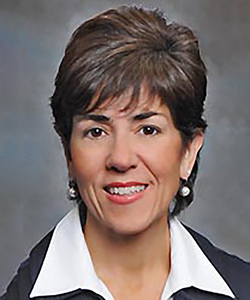
Del. Mary Lehman
Sponsored bills
Maddy summaryHB 1131 (Pregnancy Outcome Protection Act) prohibits law enforcement and agencies from investigating, prosecuting, or imposing civil liability on individuals who experienced pregnancy loss (including miscarriage, stillbirth, or self-managed abortion), except when independent evidence of unrelated criminal conduct exists or the individual consents. It protects healthcare providers from liability for supporting patients during or after pregnancy loss and restricts disclosure of medical records related to pregnancy loss without evidence of abuse, unrelated criminal conduct, or patient consent. The bill creates a private right to sue for violations and establishes misdemeanor penalties for knowingly violating its provisions. These changes apply to all Maryland residents and healthcare providers within the state’s health system.
Maddy summaryHB 1309 establishes a Commission to study racial disparities in Maryland’s criminal justice system, directly affecting African American, Hispanic, and other non-White individuals who experience disproportionate treatment. The Commission, composed of legislative leaders, public defenders, prosecutors, court officials, and community advocates, will examine disparities in policing, arrests, sentencing, and data collection. It will specifically assess cumulative impacts of disparate practices, mandatory minimums (including firearm offenses), and propose reforms like race-neutral risk assessments and expanded judicial discretion. The Commission must make recommendations by 2028, focusing on systemic changes to improve transparency and reduce racial inequities without implementing new laws itself.
Maddy summaryHB 1575, the Community Trust Act, prohibits state and local correctional facilities and their employees from detaining individuals or sharing information with federal immigration authorities based on immigration status, except when required by a judicial warrant or for routine booking. It bans asking about citizenship, prolonging detention for immigration reasons, transferring individuals to immigration authorities without a warrant, or coercing people based on immigration status. Exceptions include when immigration status relates to legal protections under state/federal law or international treaties, allowing facilities to notify individuals or offer voluntary disclosure. Correctional facilities must adopt policies with penalties for violations, and affected individuals can seek damages or injunctions if harmed by a breach.
Maddy summaryHB 588 designates May 5 as an annual "Missing and Murdered American Indian and Alaskan Native Women and Girls Awareness Day" for the Governor to proclaim. It requires the Department of State Police to submit a report to the Maryland General Assembly by December 1, 2026, on whether law enforcement agencies collect sufficient data about violence against these communities. The report must include policy recommendations to improve data collection methods, coordinate with federal agencies during investigations, and raise public awareness. This bill directly affects state agencies and aims to address gaps in tracking violence against American Indian and Alaskan Native women and girls, who face disproportionately high rates of violence.
Maddy summaryThis bill allows the Maryland Transportation Authority to waive unpaid video tolls and associated penalties without recalling the debt from the state's Central Collection Unit. It applies when tolls exceed $300, were assessed within 30 days, or if mitigating circumstances exist. If waived, the Authority must notify the Central Collection Unit to adjust collection fees accordingly. It directly affects drivers who owe video tolls (e.g., from cameras instead of E-ZPass) and streamlines collections for recent or high-value unpaid charges.
Maddy summaryHB 1106 establishes the Maryland Commission on Women’s Health Advancement to study the feasibility of creating a state women’s hospital in Southern Maryland and a statewide clinical network focused on women’s health across all life stages. The commission, composed of 20 members including legislators, health experts, patient advocates, and representatives addressing racial and socioeconomic health disparities, must analyze healthcare gaps, financial viability, and alternative approaches like hub networks. It is required to submit an initial action plan by January 1, 2027, and annual progress reports through 2032 to the governor and legislature. The bill does not mandate building the hospital but directs the commission to evaluate options for improving access to women’s healthcare services, particularly in underserved communities.
Maddy summaryHB 1402 requires Maryland medical examiners to release the body of a deceased Muslim within 48 hours after completing an autopsy, if they receive specific notice confirming the individual's Muslim faith. It directly affects Muslim families seeking timely burial and medical examiners handling post-mortem procedures. The bill specifies five ways medical examiners can receive this notice: a deceased person's will, a document under §5-509, next of kin notification, confirmation from an imam or mosque, or proof of pre-arranged Muslim funeral arrangements. The law aims to align body release timelines with Muslim funeral traditions, which typically require burial within 24 hours of death. The requirement takes effect October 1, 2026.
Maddy summaryHB 1378 prohibits Maryland corporations, LLCs, partnerships, and other legally formed entities from spending money to support or oppose candidates, political parties, committees, or ballot initiatives. It defines "election activity" and "ballot issue activity" broadly to include direct spending on political campaigns or ballot measures, but excludes bona fide news reporting by independent media. The bill requires the State Department of Assessments and Taxation to create enforcement rules, including penalties like forfeiture of corporate charter privileges and requiring entities to return funds spent on prohibited activities. This law directly affects all domestic and foreign business entities operating under Maryland law, clarifying that their charters do not grant inherent political rights.
Maddy summaryHB 1405 restricts campaign finance activities for candidates running for specific state offices (including Governor, Lieutenant Governor, Attorney General, Comptroller, Treasurer, and General Assembly members) and their representatives during regular legislative sessions. The bill prohibits them from receiving new contributions, holding fundraisers, soliciting donations, or using un-deposited funds during sessions, with exceptions for activities related to their own federal/local election campaigns, gubernatorial fundraising during election years, and pre-session electronic contributions. Violations would result in civil penalties directed to the state's Fair Campaign Financing Fund. The law takes effect October 1, 2026.