

Maddy summaryHB 1092 redefines "recycling" to exclude specific chemical processes that convert plastic waste into fuel or feedstock, such as pyrolysis, gasification, and enzymatic breakdown. It prohibits new construction of facilities in Maryland that use these methods to convert plastic into fuel or feedstock, effective October 1, 2025. The bill directly affects companies planning to build such facilities and alters how recycling is legally defined in Maryland law. Existing facilities are not impacted, as the prohibition applies only to new construction.
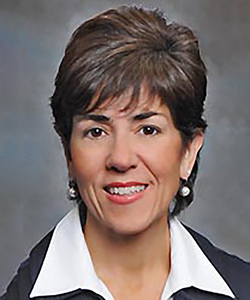
Del. Mary Lehman
Sponsored bills
Maddy summaryHB 846, the Transportation Access and Revenue Act, requires businesses providing short-term vehicle rentals and peer-to-peer car sharing to collect sales tax on these services. It directs 45% of the tax revenue from these services to the Transportation Trust Fund (for roads and transit projects) and the remainder to a coastal conservation fund. The bill also mandates that sales tax revenue from electricity used to charge electric vehicles at public charging stations (not under residential rates) be allocated to the Transportation Trust Fund. This changes how certain transportation-related tax revenue is distributed, affecting car-sharing companies, rental businesses, and electric vehicle charging providers.
Maddy summaryHB 1014, the "Fair Share for Maryland Act of 2025," makes significant changes to Maryland's tax code affecting residents, businesses, and estates. It adjusts estate tax calculations to maintain Maryland's tax rate despite potential federal changes, imposes a business transportation fee on corporations and pass-through entities, and expands eligibility for the earned income tax credit by lowering income thresholds for individuals without qualifying children. The bill also requires annual inflation adjustments for tax credit phase-out amounts, limits net operating loss deductions, and modifies child tax credit eligibility. These changes directly impact Maryland taxpayers, businesses, and families relying on state tax credits.
Maddy summaryHB 958, the Maryland Railway Safety Act of 2025, establishes new safety requirements for railroad operations in Maryland. It mandates a minimum two-person crew for freight trains (excluding hostler/utility service), prohibits blocking grade crossings for more than five minutes, and limits train length to 8,500 feet on main or branch lines. The bill also requires railroads to report hazardous material transportation data to the Commissioner of Labor and Industry (for emergency agencies only, not the public) and mandates installation of wayside detectors on tracks designated Class IV or higher by federal standards. Violations carry civil fines up to $25,000 per incident.
Maddy summaryHB 973, the Better Buildings Act of 2025, requires new buildings and major renovations (costing 50%+ of a structure's replacement value) in Maryland to meet all space heating, water heating, and laundry demands without fossil fuels. It mandates energy conservation standards and requires buildings to be "electric- and solar-ready," meaning they must have sufficient electrical capacity, wiring, and physical space for future installation of electric appliances and solar panels. The bill amends Maryland law to adopt these standards through the Department of Labor, aligning with but allowing stricter energy efficiency requirements than the International Energy Conservation Code. This directly affects developers, builders, and property owners constructing or significantly renovating buildings in Maryland.
Maddy summaryHB 752 establishes the Commission on State and Local Government Real Property Bearing Confederate Names to identify and recommend renaming state and local government properties (like streets, parks, and buildings) with Confederate names. The commission, composed of 24 members appointed by the governor (including one per county), must develop a framework to identify such properties and submit recommendations by October 1, 2032. It cannot directly rename properties but will advise state and local governing bodies. The bill affects all Maryland state agencies and political subdivisions (counties, cities, school districts) owning real property with Confederate names.
Maddy summaryHB 701 bans the purchase, use, and sale of gasoline-powered leaf blowers in Maryland starting in 2025. It prohibits the state from buying these devices after July 1, 2025, and phases out their use by state agencies and contractors by 2030 (with temporary exceptions for specific months each year). Retailers must notify buyers about the 2027 sales ban starting September 2025, and the bill allows local governments to enforce stricter rules. Exemptions include wildfire suppression, firefighting, and emergency response activities.
Maddy summaryHB 673 prohibits condominium and homeowners association (HOA) governing documents from unreasonably restricting the board from installing or authorizing electric vehicle (EV) charging equipment in common or limited common use parking spaces. It requires boards to follow standard budget processes for installations and verify sufficient parking availability before proceeding. The bill directly affects condo and HOA residents and boards by ensuring they cannot block EV charger installations through restrictive covenants or rules, while balancing community needs and financial processes. It applies retroactively to existing governing documents and takes effect October 1, 2025.
Maddy summaryHB 608 requires Maryland county school boards to grant temporary school admission to students when parents or guardians cannot immediately provide proof of required immunizations. This temporary enrollment lasts up to 60 days, during which parents must schedule an appointment with a health provider or local health department to obtain immunizations, reconstruct lost records, or get evidence of age-appropriate immunity. Parents must then submit proof of the immunization on the next school day following the appointment. The bill directly affects public school students and their families in Maryland, balancing school safety with practical barriers to documentation.
Maddy summaryHB 69 establishes a new "Postconsumer Recycled Content Program" for Maryland, requiring producers of certain plastic beverage containers and rigid plastic containers to meet minimum recycled content standards before selling in the state. Producers must register annually with the Department of the Environment and pay a fee, with funds supporting the program and a dedicated recycling trust fund. The bill sets specific recycled content percentages for covered products, allows limited waivers for producers facing supply challenges, and mandates the Department to publish compliance data online. It amends existing environmental laws to implement these requirements and strengthen recycling markets.