Issue · Healthcare

Healthcare

Every healthcare bill, vote, and legislator stance in Maryland, automatically classified by Maddy, our AI policy reader.

Total bills
366
2026 Regular Session
Top supporter
Alonzo Washington
100% support rate
Top opponent
Jason Gallion
0% support rate
Ranked legislators
10
5 support · 5 oppose
Key legislators

Who's moving healthcare in Maryland

Legislators moving healthcare in Maryland
Legislator Party Stance Support rate Votes
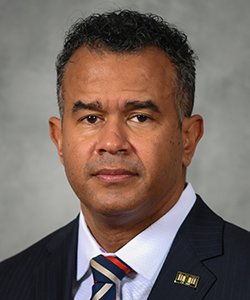
Alonzo Washington
Alonzo Washington Senate · District 22
D
Strong +
100% 68
Brian Feldman
Brian Feldman Senate · District 15
D
Strong +
100% 70
C.T. Wilson
C.T. Wilson House · District 28
D
Strong +
100% 98
Kevin Harris
Kevin Harris Senate · District 27
D
Strong +
100% 70
Pam Beidle
Pam Beidle Senate · District 32
D
Strong +
100% 71
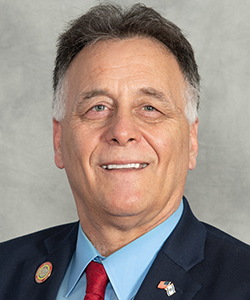
Jason Gallion
Jason Gallion Senate · District 35
R
Strong −
0% 71
Jack Bailey
Jack Bailey Senate · District 29
R
Strong −
0% 69
Johnny Salling
Johnny Salling Senate · District 6
R
Strong −
4% 71
J.B. Jennings
J.B. Jennings Senate · District 7
R
Strong −
4% 71
Mary Beth Carozza
Mary Beth Carozza Senate · District 38
R
Strong −
5% 70
Showing 281–290 of 366 bills

All healthcare bills

signed · Maryland · Senate Apr 28, 2026

SB 159: Emergency Medical Services - Vehicles and Ambulances - Required Supplies

SB 159 requires Maryland's Emergency Medical Services (EMS) providers to maintain specific equipment and supplies on ambulances, including neonatal care items, and mandates quarterly reviews of performance data like response times and service quality. It also requires counties to establish formal, accessible complaint systems for ambulance quality or conduct issues, with online and in-person filing, tracking, and quarterly reporting to the state EMS Institute. These provisions directly affect all counties and municipalities operating or contracting EMS services, as well as the Maryland Institute for EMS Systems, which coordinates the statewide standards. The bill aims to standardize ambulance equipment, improve accountability through data reviews, and enhance patient access to complaint resolution. It takes effect July 1, 2026.
passed both · Maryland · House of Delegates Apr 13, 2026

HB 222: County Boards of Education - Opioid Overdose-Reversing Medications - Policy Requirements (Naloxone Access Act)

HB 222 requires Maryland public schools and colleges to update policies and education programs to address opioid overdoses. It mandates schools to store naloxone, allow authorized staff and students to possess it, and provide liability protection for good-faith use during overdoses. The bill also adds naloxone's life-saving role to K-12 drug prevention curricula (starting in third grade) and requires annual parent notifications about school naloxone policies. Additionally, schools must report overdose incidents requiring naloxone use to the State Department. This affects all public K-12 schools and state-funded colleges.
died · Maryland · House of Delegates Feb 16, 2026

HB 71: Maryland Medical Assistance Program - Psychiatric Rehabilitation Program Services - Reimbursement (Youth Psychiatric Rehabilitation Parity Act of 2026)

HB 71 (Youth Psychiatric Rehabilitation Parity Act of 2026) requires Maryland's Medicaid program to reimburse psychiatric rehabilitation providers for 6-30 community-based mental health support services per month for specific youth. It directly affects Medicaid-covered individuals under 21 with a persistent mental disorder causing severely impaired functioning, who live with a legally responsible parent, guardian, or relative. The law mandates the Maryland Department of Health to adopt these reimbursement rules by December 2026, effective June 2026. This creates standardized billing requirements for youth mental health services, ensuring consistent coverage for qualifying cases without expanding eligibility.
Sub-Topics Medicaid Mental Health
signed · Maryland · Senate Apr 14, 2026

SB 333: Interstate Podiatric Medical Licensure Compact

SB 333 creates the Interstate Podiatric Medical Licensure Compact, allowing podiatrists (foot and ankle specialists) licensed in Maryland to practice in other participating states more easily. The bill establishes a streamlined process for obtaining an "expedited license" in multiple states without altering existing state licensing laws, requiring podiatrists to pass national exams and pass background checks. Crucially, it mandates that podiatrists follow the rules of the state where the patient is located during treatment, not where the provider is licensed. This compact directly affects licensed podiatrists seeking multi-state practice and state licensing boards overseeing medical practice.
Sub-Topics Medical Licensing
signed · Maryland · House of Delegates Apr 28, 2026

HB 377: Physician Assistants and Midwives - Parity With Other Health Care Practitioners

HB 377 expands the scope of practice for physician assistants (PAs) in Maryland by adding them to specific healthcare roles that previously required physicians or other practitioners. The bill allows PAs to certify incapacity for treatment decisions, participate in guardianship petitions for disabled persons, and order infirmary care for pregnant inmates - previously limited to physicians or nurse practitioners. It also requires the Maryland Department of Health to cover PA examinations for emergency evaluees and adds PAs to the Statewide Advisory Commission on Immunization. These changes aim to create parity by treating PAs as equivalent to other licensed healthcare providers in key clinical and administrative processes.
in committee · Maryland · Senate Jan 14, 2026

SB 196: Correctional Services - Medication Review Committee - Administration of Psychotropic Medication to an Incarcerated Individual

SB 196 establishes a medication review committee within Maryland's state correctional facilities' licensed mental health infirmaries to decide whether to approve administering psychotropic medication to an incarcerated person who refuses it, except in emergencies. The committee must review medical records, consider alternatives, and ensure the inmate's rights - including attending meetings, understanding treatment risks, and receiving a lay advisor - are protected before approving non-emergency medication. It requires staff to document treatment history and less intrusive alternatives before seeking committee approval, and mandates the committee determine if medication is necessary to prevent substantial risk of self-harm or dangerous behavior. This bill directly affects inmates in mental health infirmaries and sets new procedural safeguards for medication decisions.
in committee · Maryland · House of Delegates Jan 29, 2026

HB 551: Criminal Law - Drug Paraphernalia and Controlled Paraphernalia Prohibitions - Repeal

HB 551 repeals specific sections of Maryland's Criminal Law that prohibited certain drug paraphernalia and controlled paraphernalia. It removes prohibitions related to items like syringes, packaging materials, and cutting agents used with controlled substances (excluding cannabis). The bill directly affects individuals who might possess these items under current law, as the repeal eliminates criminal penalties for such possession. This change modifies Maryland's legal definitions and prohibitions regarding drug paraphernalia by deleting the referenced sections from the Annotated Code.
Sub-Topics Drug Policy
in committee · Maryland · Senate Jan 20, 2026

SB 268: Correctional Services – Restrictive Housing – Individuals With Developmental or Intellectual Disabilities

SB 268 requires clinical professionals (licensed mental health providers) to assess new inmates at Maryland state correctional facilities for developmental or intellectual disabilities during intake. If assessed, facilities must limit restrictive housing (locked in a cell for 22+ hours daily) to 15 consecutive days within any 30-day period for these individuals, unless they commit a prohibited act like causing serious injury, making credible threats with prior violence, or possessing weapons. The bill excludes medical isolation, suicide watch, and self-requested protective custody from the restrictive housing definition. It applies only to Maryland state correctional facilities and takes effect October 1, 2026.
died · Maryland · House of Delegates Feb 23, 2026

HB 158: Maryland Medical Assistance Program - Maternal Health Monitoring Pilot Program

HB 158 establishes a two-year pilot program within Maryland's Medical Assistance Program (MAP) to support pregnant and postpartum MAP recipients diagnosed with maternal hypertension (high blood pressure during pregnancy) or maternal diabetes. The program provides remote patient monitoring using FDA-approved technology (tracking blood pressure, glucose, weight) and clinical support from licensed nurses, dietitians, and diabetes specialists via participating managed care organizations. It allocates up to $600,000 for the pilot, requiring participating organizations to contract with technology vendors, train participants, and implement escalation pathways for urgent health concerns. The program aims to improve maternal and infant outcomes for high-risk participants, with findings reported to the legislature by 2028.
Sub-Topics Women's Health
in committee · Maryland · Senate Feb 3, 2026

SB 470: State Board of Physicians - Naturopathic Doctors - Scope of Practice, Renewals, and Professional Liability Insurance

SB 470 modifies regulations for naturopathic doctors in Maryland. It expands their scope of practice to allow prescribing certain controlled dangerous substances (previously restricted), renames the Naturopathic Doctors Formulary Council to focus specifically on controlled substances, and requires naturopathic doctors to report professional liability insurance details to the State Board of Physicians. The bill also updates license renewal requirements, adds new patient notification rules about insurance, and changes disciplinary grounds. These changes directly affect licensed naturopathic doctors practicing in Maryland under the State Board of Physicians.
Showing 281 to 290 of 366 bills
Previous 1 28 29 30 37 Next