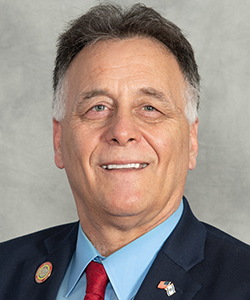
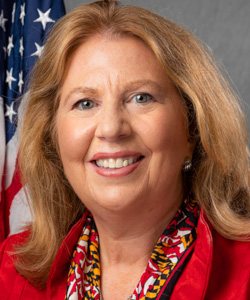
HB 374 revises Maryland's acupuncture licensing rules to clarify that "manual therapies" (like acupressure) are included under licensed acupuncture practice. It requires the State Acupuncture Board to provide proof of license renewal instead of issuing physical renewal certificates. The bill also explicitly prohibits employers from hiring unlicensed practitioners and bans aiding or abetting unauthorized acupuncture practice. These changes directly affect licensed acupuncturists, their employers, and individuals seeking acupuncture services in Maryland. The revisions aim to modernize licensing procedures while strengthening enforcement against unlicensed activity.
SB 370 revises Maryland's acupuncture licensing rules by defining "manual therapies" as part of licensed acupuncture practice and requiring the State Acupuncture Board to provide proof of license renewal instead of issuing physical renewal certificates. The bill prohibits employers from hiring unlicensed acupuncture practitioners or aiding unauthorized practice, with penalties including civil fines up to $50,000 and criminal charges for repeat offenses. It directly affects licensed acupuncturists, their employers, and clinics that hire practitioners, clarifying what constitutes authorized practice under state law. The changes take effect October 1, 2026, and align licensing standards with national certification requirements for new applicants.
SB 39 establishes a workgroup to develop a sustainable reimbursement rate methodology for Maryland's Certified Community Behavioral Health Clinics (CCBHCs) and Outpatient Mental Health Centers (OMHCs), directly affecting behavioral health providers facing financial strain due to outdated rates. The bill requires the Maryland Department of Health to conduct a cost study of OMHC services, form an advisory panel to review rate recommendations, and increase Medicaid reimbursement rates for OMHCs in fiscal years 2026 and 2027. Key provisions include evaluating provider costs, workforce needs, and alignment with somatic health care parity, while addressing closures like those in Frederick County. The workgroup must report findings by December 2027, aiming to stabilize provider finances and ensure continued access to community mental health care.
SB 394 adds bacterial vaginosis to Maryland's list of conditions eligible for expedited partner therapy (EPT). This allows certain healthcare providers - like physicians, advanced practice nurses, and pharmaciststo prescribe antibiotics to a sexual partner of a diagnosed patient without requiring a personal examination of the partner. The law aims to prevent reinfection in the diagnosed patient and stop disease spread, expanding existing EPT rules that previously covered only chlamydia, gonorrhea, and trichomoniasis. It applies to public and private health care settings in Maryland starting October 1, 2026.
SB 412 establishes Maryland’s Community Forensic Aftercare Program within the Maryland Department of Health. The program monitors two groups: individuals committed to the health department due to being "not criminally responsible" (often called "not guilty by reason of insanity" cases), and people with mental illness or intellectual disability requiring community monitoring under specific legal circumstances. Key mechanisms include creating a community monitoring board to decide on conditional release and out-of-state travel, and requiring licensed social workers ("Program Monitors") to track compliance with court orders and make health recommendations. The bill amends Maryland’s Criminal Procedure and Health codes to implement this program, focusing on safety and structured oversight for these individuals.
SB 411 requires non-state hospitals in Maryland to establish clinical staffing committees with equal representation from management and frontline staff, including nurses, technicians, and other caregivers. These committees must develop evidence-based staffing plans considering patient acuity, staffing gaps, and daily patient needs, which hospitals must implement starting January 1, 2028. Hospitals must annually review these plans, publicly post staffing data on units, and submit annual reports to the Maryland Health Care Commission beginning in 2030. The bill directly affects hospital operations, staffing decisions, and transparency for frontline workers and patients.
SB 326 expands the authority of physician assistants (PAs) in Maryland by allowing them to perform specific healthcare actions currently restricted to physicians. The bill directly affects PAs, patients requiring guardianship, inmates needing infirmary care, and mental health facilities by adding PAs to certification requirements for treatment incapacity (Section 5-606), guardianship petitions (Section 13-705), and inmate infirmary admissions (Section 9-601.1). It also requires the Maryland Department of Health to cover PA examinations for emergency evaluations and adds PAs to the Statewide Advisory Commission on Immunization. These changes aim to align PA practice with other licensed healthcare professionals in defined clinical scenarios.
HB 624 (Safe Staffing Act of 2026) requires most Maryland hospitals to establish clinical staffing committees with equal management and employee representation, including specific frontline staff like nursing assistants and dietary aides. These committees must develop annual staffing plans considering patient acuity, staffing gaps, and evidence-based standards, then post the plans publicly and update them yearly. Hospitals must implement these plans starting in 2028, allow staff to file complaints about violations, and report annually to the Maryland Health Care Commission beginning in 2030. The law directly affects licensed hospitals and frontline healthcare workers by mandating structured, transparent staffing processes to address patient care needs.
SB 439 prohibits Maryland fire and rescue public safety employers from taking negative employment actions (like firing or denying promotions) against employees who use medical cannabis, provided the employee has a valid medical cannabis certification under state law. It amends existing Maryland law to explicitly add this protection for public safety workers, aligning with current medical cannabis certification requirements. The bill does not change how medical cannabis is certified but ensures these employees cannot face discrimination solely for using cannabis legally under the state program. This applies to all fire and rescue employees who meet the state's medical cannabis eligibility criteria.
SB 336 extends the deadline for the existing Task Force on Responsible Use of Natural Psychedelic Substances, established by 2024 law, to continue its work studying natural psychedelic substances like psilocybin and mescaline (excluding peyote). The task force, composed of state officials, experts, and community representatives, will study current laws, scientific data on benefits and risks, and barriers to access, then make recommendations for a state access program and legal changes. This extension allows the task force to finalize its report on creating equitable access to these substances and transitioning away from criminal penalties for nonviolent uses. The bill does not change current laws but prolongs the study period to inform future policy decisions.