

Issue · Education
Education
Every education bill, vote, and legislator stance in Maryland, automatically classified by Maddy, our AI policy reader.
Total bills
252
2026 Regular Session
Top supporter
Nick Charles
100% support rate
Top opponent
Robin Grammer
6% support rate
Ranked legislators
10
5 support · 5 oppose
Key legislators
Who's moving education in Maryland
| Legislator | Party | Stance | Support rate | Votes |
|---|---|---|---|---|
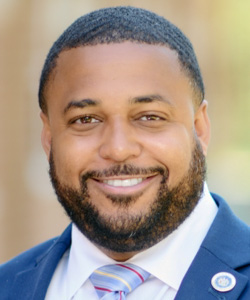
Nick Charles
Senate · District 25
|
D |
Strong +
|
100% | 48 |
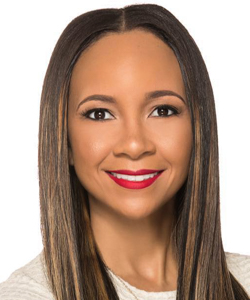
Denise Roberts
House · District 25
|
D |
Strong +
|
96% | 92 |
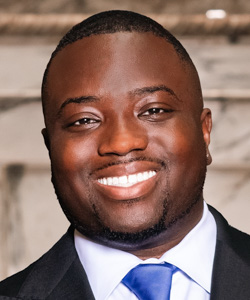
Adrian Boafo
House · District 23
|
D |
Strong +
|
96% | 48 |
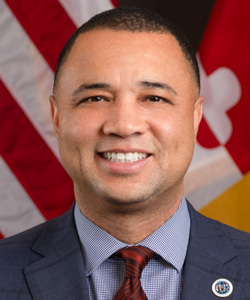
Antonio Hayes
Senate · District 40
|
D |
Strong +
|
95% | 50 |
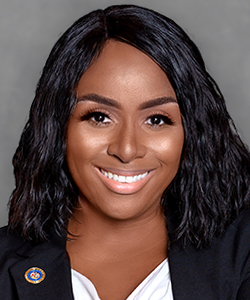
Shaneka Henson
Senate · District 30
|
D |
Strong +
|
95% | 51 |

Robin Grammer
House · District 6
|
R |
Strong −
|
6% | 85 |
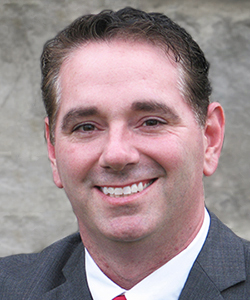
Matt Morgan
House · District 29A
|
R |
Strong −
|
9% | 98 |
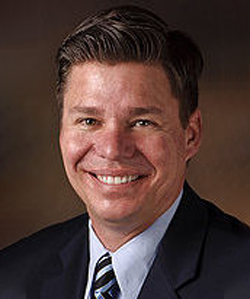
Mark Fisher
House · District 27C
|
R |
Strong −
|
9% | 98 |
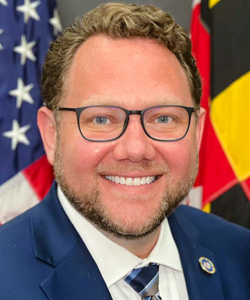
Nic Kipke
House · District 31
|
R |
Strong −
|
9% | 100 |

Lauren Arikan
House · District 7B
|
R |
Strong −
|
9% | 98 |
Showing 151–160 of 252
bills
All education bills
SB 350: Public Schools - Open Enrollment - Policies and Funding
Topics
✓ Budget & TaxesSupports Budget & TaxesDirects state funding for student enrollment in public schools under open enrollment policy, advancing essential education program funding through budget allocation.
✓ EducationSupports EducationExpands educational access by enabling cross-county school enrollment, mandates equitable selection methods, and directs state funding - advancing K-12 access and choice.
HB 574: Prince George’s County Teen Pregnancy Support Program and Fee in Child Support Cases – Established PG 504–26
Topics
✓ Budget & TaxesSupports Budget & TaxesBill creates mandatory $100 fee in child support cases to fund a public school teen pregnancy program, directly allocating revenue to support a government service.
✓ EducationSupports EducationFunds K-12 student childcare via court fees to improve educational access for teen parents, directly supporting retention and program access in public high schools.
HB 370: Prince George's County - Income Tax - Credit for Employers Providing Parental Engagement Leave PG 419-26
Topics
✓ Budget & TaxesSupports Budget & TaxesCreates state income tax credit for employers, providing tax relief and aligning with fiscal policies that strengthen tax incentives for qualifying programs.
✓ EducationSupports EducationCreates tax credit for employers providing paid leave for school events (e.g., parent-teacher conferences), directly enhancing parental engagement in K-12 education access.
✓ Labor & EmploymentSupports Labor & EmploymentCreates tax credit for employers providing paid parental leave (10-20 hours) for school events, expanding employee benefits and supporting work-life balance within employment standards.
HB 479: Southern Maryland Early College Teacher Pathway Program Workgroup - Establishment
HB 525: County Boards of Education - Student Electronic Communication Device Use Policy - Establishment (Joanne C. Benson Maryland Phone-Free Schools Act)
Topics
✓ EducationSupports EducationRequires school policies limiting student device use during class to reduce distractions, supporting focused learning environments in K-12 education.
✗ TechnologyOpposes TechnologyRestricts student personal device use in schools, limiting technology access during academic hours per explicit policy requirements.
Sub-Topics
Special Education
SB 430: Institutions of Higher Education - Mandatory Disclosures for New and Prospective Students (Informed Enrollment Act)
Sub-Topics
Higher Education
SB 7: Higher Education - Douglas J. J. Peters Veterans of the Afghanistan and Iraq Conflicts Scholarship - Repeal of Termination Date
Topics
✓ EducationSupports EducationRepeals expiration date for veterans' higher education scholarship, enabling indefinite funding and expanding access to educational financial support for eligible veterans and dependents.
✓ VeteransSupports VeteransRepeals termination date for veterans' scholarship, enabling indefinite awards to eligible veterans and dependents, expanding educational benefit access.
HB 109: Institutions of Higher Education and Elementary and Secondary Schools - Title VI Coordinators
Topics
✓ EducationSupports EducationRequires Title VI coordinators to ensure anti-discrimination compliance in schools, directly protecting educational access under civil rights law.
✓ ImmigrationSupports ImmigrationRequires Title VI compliance to prevent national origin discrimination in schools, protecting immigrant students from bias in federally funded education programs.
SB 198: Prince George's Community College - Aerospace and Aviation Systems Technology Programs - Feasibility Study
Topics
✓ EducationSupports EducationMandates new aerospace program at community college with industry partnerships, career pathways, and training in high-demand fields, expanding educational opportunities and workforce development.
✓ TechnologySupports TechnologyBill creates AI and aerospace technology training program at community college, advancing tech workforce development through targeted education and industry partnerships.
✓ TransportationSupports TransportationBill establishes aerospace technology training programs with industry partnerships, advancing transportation infrastructure and workforce development in aviation systems.