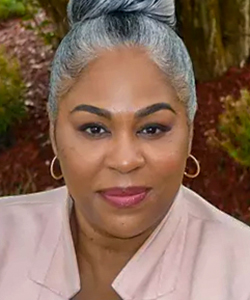
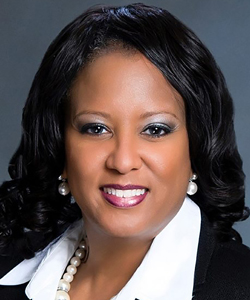
Key legislators
Who's moving drug policy in Maryland
Showing 11–14 of 14
bills
All criminal justice bills
SB 315 clarifies that individuals with expunged criminal charges cannot be denied employment, education, or government services solely because they refuse to disclose those expunged charges. The bill specifically prohibits the Maryland Electronic Courts (MDEC) system from referencing certain cannabis possession cases (where it was the only charge and disposed before July 1, 2023) and requires the Department of Public Safety to remove all references to these cases from MDEC by July 1, 2024. It also prohibits employers, educational institutions, and state agencies from using expunged cannabis charges as the sole basis for adverse actions. The law applies directly to people with expunged cannabis cases meeting the specified criteria. The bill takes effect October 1, 2026.
SB 327 repeals specific sections of Maryland's criminal law that prohibited certain drug-related items. It removes prohibitions on "drug paraphernalia" and "controlled paraphernalia" defined in sections 5-619 and 5-620, including items like syringes, gelatin capsules, and diluents (e.g., lactose, quinine) used with controlled substances. The bill also modifies related definitions in sections 5-101(h), (p), and (i)-(q). This repeal would eliminate criminal penalties for possessing these items under the repealed sections, directly affecting individuals who might have previously faced charges for such possession. The change removes existing legal barriers but does not create new allowances for drug use.
HB 577 prohibits the manufacture, sale, purchase, possession, or transfer of "machine gun convertible pistols" in Maryland after a specified date. These are defined as semiautomatic pistols with a special trigger mechanism that can be easily converted to automatic fire using common tools or a "pistol converter" device. The bill creates new criminal penalties for violating this ban, with key exceptions allowing law enforcement use, licensed dealer transactions for specific purposes, and inheritance by qualified individuals. It does not affect standard semiautomatic firearms or restrict existing lawfully owned weapons.
HB 108 establishes the Release Preparation Program within Maryland's Division of Correction to help formerly incarcerated individuals prepare for release. The program allows these individuals to schedule visits to state correctional facilities for support, with schedules requiring written notification to the Division of Correction and public availability. It amends the Cannabis Regulation and Enforcement Fund to specifically cover costs for this program, adding it to the fund's authorized uses. The bill requires the Division of Correction to approve protocols for the program and prohibits denying scheduled visits unless they interfere with facility operations. The program will take effect on October 1, 2026.