

Passed Mar 5, 2026
0 co-sponsors
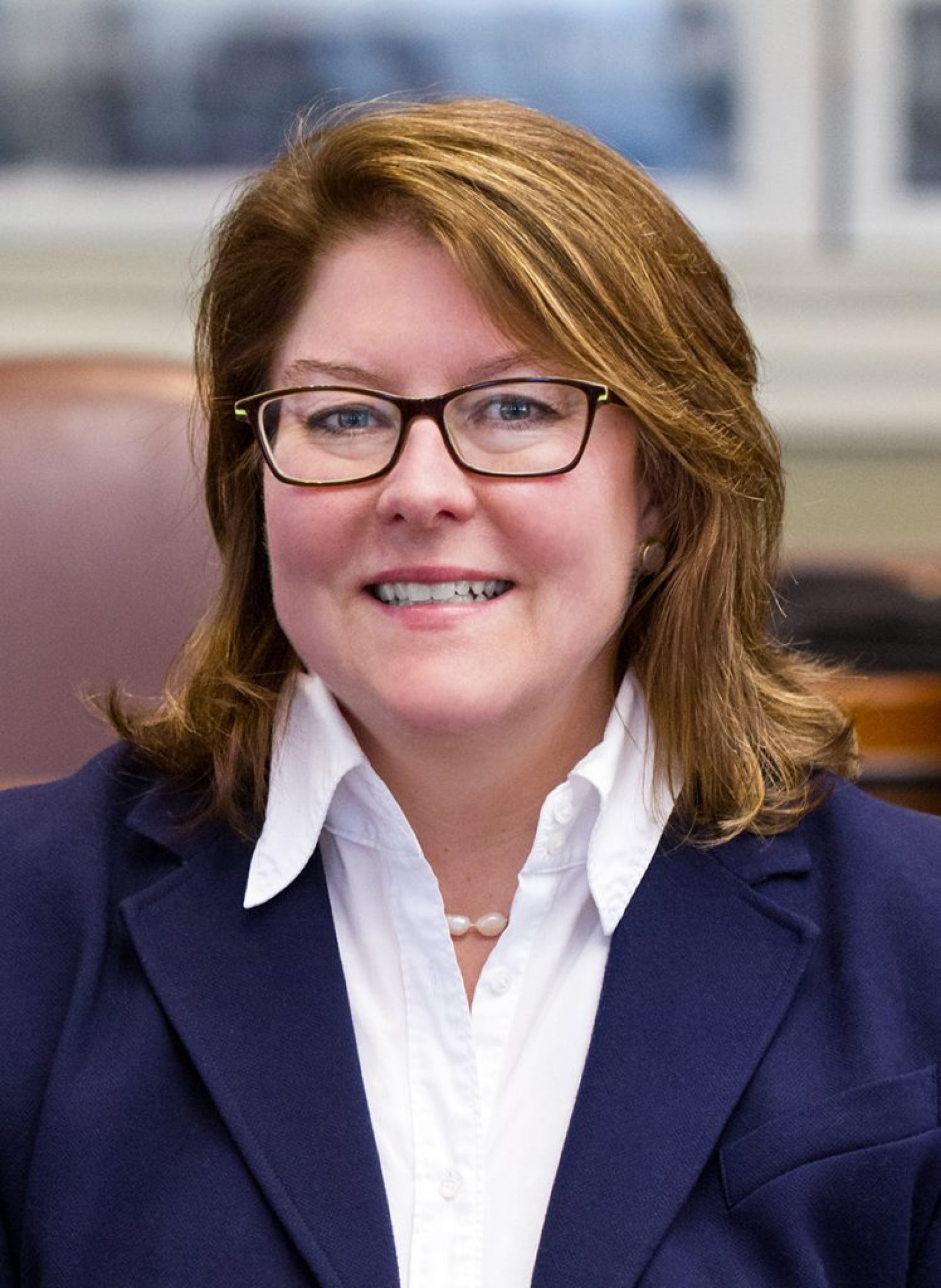
Sen. Teresa Pierce
Total votes
2,363
all sessions
Attendance
94%
146 missed
Higher than 87% of chamber peers
With party
95%
of cast votes
Near the chamber average
Bipartisan score
4%
crosses aisle rarely
Near the chamber average
Sponsored
321
bills & resolutions
Higher than 78% of chamber peers
Committees
7
assignments
321 bills and resolutions
Sponsored bills
Total
321
Primary
111
Co-sponsor
210
This page
321
matching current filters
Passed Feb 26, 2026
0 co-sponsors
Passed Feb 12, 2026
0 co-sponsors
Passed Feb 3, 2026
0 co-sponsors
Passed Jan 27, 2026
0 co-sponsors
An Act To Amend The Education Laws Regarding The State Board Of Education'S Authority Concerning Degree-Granting Institutions
Maddy summaryThis bill modifies Maine's education laws to clarify the authority of the State Board of Education over degree-granting institutions, specifically by creating exemptions for certain religious and out-of-state branch campuses. For religious institutions, the bill allows exemption from state authorization if the school is owned by a church, primarily serves members of that faith, and prepares students for religious leadership roles, provided it does not claim to offer general education equivalent to non-exempt schools. For out-of-state institutions operating branch campuses in Maine, the exemption applies only if the parent institution has been authorized for at least five years in Maine, accredited for ten years, eligible for federal financial aid, and recognized for extensive research and doctoral programs. Institutions receiving these exemptions must inform applicants in writing and prominently display a statement explaining that they are not required to obtain state authorization for using certain names, offering credit courses, or conferring degrees.
Failed Jan 27, 2026
0 co-sponsors
Passed Jan 20, 2026
0 co-sponsors
Passed Jan 13, 2026
0 co-sponsors
An Act To Establish A Grant Program To Increase Postsecondary Educational Opportunities For Students With Intellectual Or Developmental Disabilities Or Autism Spectrum Disorder
Maddy summaryThis bill establishes Maine's Inclusive Higher Education Grant Program, which provides funding to colleges and universities to develop programs supporting students with intellectual disabilities, developmental disabilities, or autism spectrum disorder. The program awards competitive grants to institutions to create inclusive higher education opportunities, requiring them to design "program plans" that mirror standard college experiences for students without disabilities. Institutions must meet federal standards for transition programs under the Higher Education Act, and the Department of Health and Human Services will administer the grants, including outreach and application support. The bill directly affects Maine's public and private colleges/universities and students with qualifying disabilities seeking postsecondary education.
Signed into law Jan 11, 2026
1 co-sponsor
An Act To Ensure Equal Access To A Full School Day For All Students
Maddy summaryLD 1098 requires Maine school districts to stop placing students in abbreviated school day programs (shorter instructional days) without strict justification and parental consent. It directly affects students with disabilities who are often placed in these programs, requiring schools to document medical or behavioral needs through special education plans (like IEPs), provide detailed plans showing how students will catch up academically, and obtain written parental consent every 45 days. The bill prohibits using abbreviated days due to staffing or resource shortages and mandates that schools return students to full-day instruction within 5 days if parents object. This law aims to ensure all students in the same grade receive equal instructional time, with the emergency clause allowing immediate implementation.
Signed into law Jan 11, 2026
1 co-sponsor
Ask Maddy
·
AI policy assistant
Ask Maddy about Teresa Pierce
Scope: maine
Hi! I can help you understand Teresa Pierce's legislative record. What would you like to know?
Try one of these
i
Maddy answers using official bill text and legislative records. Always verify before sharing.
Sources cited inline