

Maddy summaryLD 486 removes the requirement in Maine law that a person using self-defense must retreat or comply with a demand to stop an action if they can do so safely. This change allows individuals to stand their ground without having to step away or cease their actions when facing an immediate threat. The bill does not alter the existing exception for people defending themselves in their homes if they were not the initial aggressor. It directly affects anyone acting in self-defense by eliminating one condition they previously had to meet before using force.
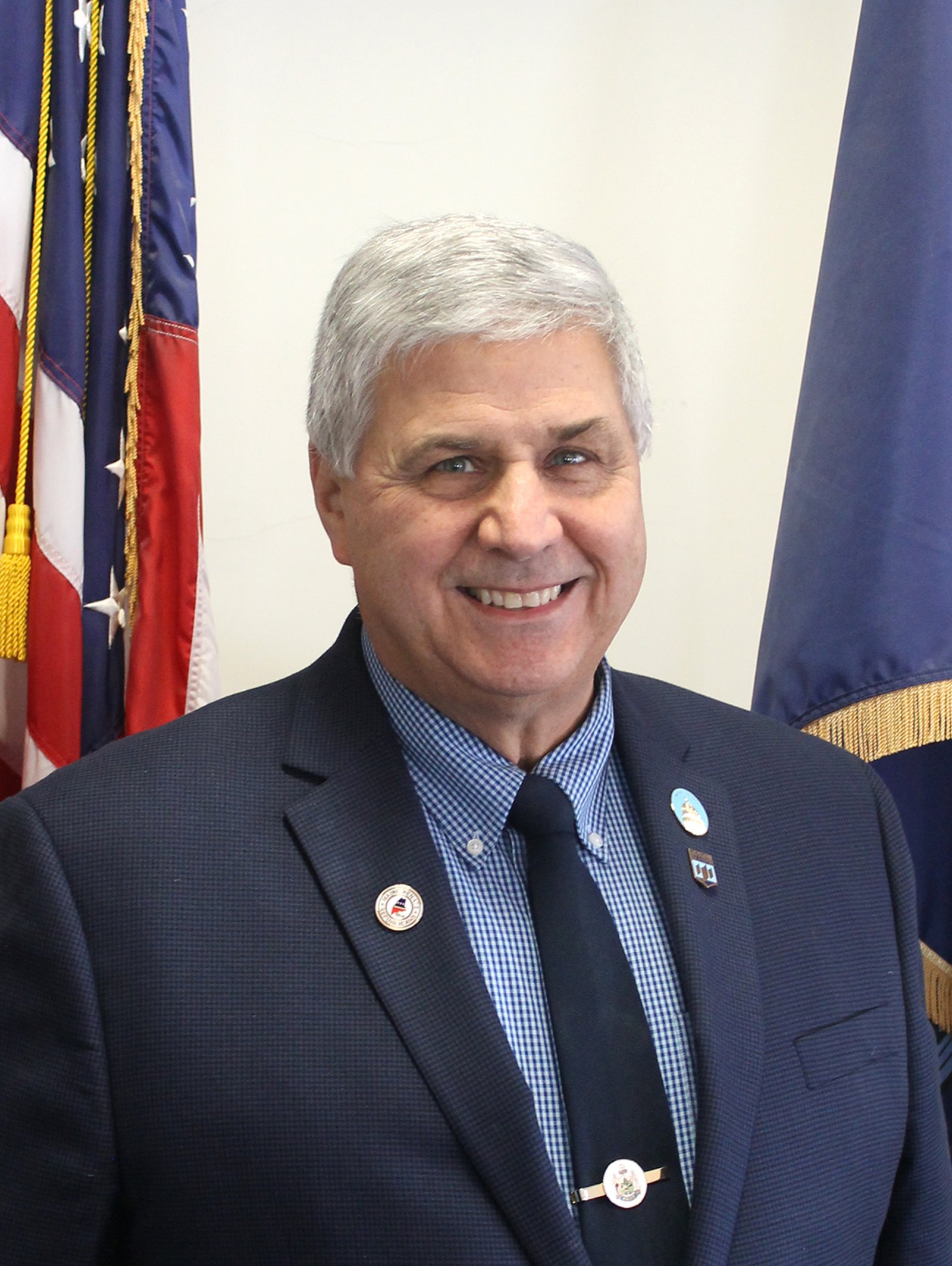
Sen. Scott Cyrway
Sponsored bills
Maddy summaryLD 988 allows licensed hunters to hunt on University of Maine System (UMS) property, excluding residential areas and university campuses. The bill amends Maine law to explicitly permit hunting under existing hunting regulations, removing prior restrictions on UMS land. This directly affects licensed hunters seeking access to UMS property for hunting and the University of Maine System, which must manage these areas accordingly. The key provision is the statutory change enabling hunting where it was previously unclear under existing law, with clear exceptions for campus and residential zones.
Maddy summaryThis bill creates the Electric Vehicle Firefighting Fund to provide grants to Maine fire departments for purchasing equipment and training specifically for electric vehicle fires. It imposes a $250 fee on the sale of new or used battery electric vehicles and plug-in hybrid electric vehicles by dealers. Revenue from this fee will be collected monthly by the Secretary of State and deposited directly into the fund. Fire departments can apply for grants to cover costs related to electric vehicle fire response, with funding administered by the commission.
Maddy summaryLD 955 prohibits Maine health insurance carriers from denying claims or coverage solely based on artificial intelligence decisions, effective January 1, 2026. It requires carriers to conduct physician reviews - by a licensed Maine doctor - before denying benefits or reducing payments using AI, covering medical necessity, provider judgment, and health impacts. Carriers must submit quarterly reports to the state on AI-related denials and appeals, with annual summaries by the state bureau starting in 2027. The bill applies directly to insurers, healthcare providers submitting claims, and policyholders affected by coverage decisions.
Maddy summaryThis Maine legislative joint resolution commemorates the 50th anniversary of the Mayaguez incident (May 12-15, 1975), recognized as the last U.S. combat mission in Southeast Asia during the Vietnam War. It honors the 18 U.S. service members who died and 50 wounded during the rescue operation involving the seized SS Mayaguez cargo ship and Marines on Koh Tang Island. The resolution specifically acknowledges Maine’s connection, noting 48,000 Mainers served in Vietnam, 343 are memorialized at the Vietnam Veterans Memorial, and 11 remain missing. It expresses gratitude for all Maine veterans’ service and sacrifice during the conflict, with no policy or financial provisions.
Maddy summaryLD 359 prohibits certain customers from participating in net energy billing (a system where solar/wind energy credits offset electricity bills) unless they have a direct financial stake in the renewable energy system. It requires customers to own, lease, or have a power purchase agreement for the system, effectively ending shared solar programs where multiple customers pool resources without direct ownership. The bill limits shared arrangements to 10 meters for investor-owned utilities and sets size limits (under 5 MW for most systems). It directly affects residential and commercial customers in "shared solar" programs who previously could join without owning the equipment. Existing projects approved before June 2021 are exempt from these new requirements.
Maddy summaryThis bill (LD 28) is a simple naming resolution that directs the Town of Fairfield to rename its firefighter training facility. Currently called the Twin Rivers Fire Academy, the facility will be renamed the Duane Bickford Fire Academy. The resolution does not change any operations or funding but formally honors Duane Bickford, likely a local firefighter or community figure. The change applies only to the facility's official name within the Town of Fairfield.
Maddy summaryLD 644 removes current restrictions that limit work hours and conditions for minor students aged 16-17 in Maine. It repeals specific rules prohibiting minors from working more than 50 hours weekly when school is out, 24 hours when school is in, and set time limits (like not working after 10:15 p.m. the night before school or before 7 a.m. on school days). The bill also eliminates the ban on minors working during school hours and removes employer record-keeping requirements for minor employees' work schedules. As a result, minor students gain greater flexibility in scheduling work around school without these legal constraints.
Maddy summaryThis bill allows Maine's Department of Administrative and Financial Services to deny or not renew cannabis cultivation registrations for locations with repeated violations under state cannabis laws or other applicable regulations. It authorizes a 10-year moratorium on such locations for issuing or renewing cultivation licenses, preventing new or renewed operations there. The moratorium also prohibits relocating licensed cultivation facilities to these restricted areas. This policy directly affects cannabis cultivators and businesses operating in locations with a history of regulatory non-compliance under Maine's medical and recreational cannabis laws.
Maddy summaryLD 1455 prevents illegal cannabis operations by updating Maine's cannabis laws. It defines future convictions for unauthorized cannabis cultivation or distribution (after October 1, 2025) as disqualifying for participation in Maine's legal cannabis program. The bill prohibits the state from registering or licensing any cannabis business if its location is under investigation for illegal activity or was previously used for such activity. This directly affects cannabis businesses seeking licenses, caregivers, and individuals with recent unauthorized cannabis convictions. The law aims to block illegal operations from using licensed facilities or registering under the state's medical cannabis program.