

Maddy summarySB 42 amends Louisiana law to explicitly prohibit using artificial intelligence to create child sexual abuse materials, directly affecting individuals or entities generating such content through AI. The bill updates definitions to include "digitally generated, including by artificial intelligence" under "child sexual abuse materials" and expands "produce" to cover causing AI-generated content. It makes it illegal to create, distribute, or solicit child sexual abuse materials using AI tools, aligning with existing prohibitions on physical or non-AI generated materials. The law applies to all such content involving children under 17, treating AI-generated depictions as equally prohibited as traditional media. This is a substantive policy change adding AI to existing legal frameworks without altering enforcement mechanisms.
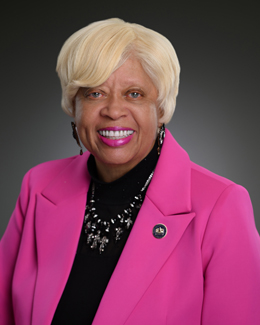
Sponsored bills
Maddy summaryHB 401 designates the elevated section of U.S. Highway 190 over the Bogue Falaya River in Covington, St. Tammany Parish, as the "Corporal Justin D. McLeese Memorial Bridge" to honor a military corporal. The bill requires the Louisiana Department of Transportation to install signage reflecting this name, using local or private funds to cover costs up to $2,250 per sign. This is a ceremonial naming bill with no substantive policy changes, solely commemorating an individual through a public infrastructure designation.
Maddy summaryHB 42 creates a phased retirement program for Louisiana teachers in the Teachers' Retirement System. It allows eligible teachers to gradually transition to full retirement by working reduced hours (e.g., 50% effort = 50% of full benefit) while receiving a proportionally reduced benefit based on their work percentage. During participation, their retirement benefit, compensation, and service credits are frozen at the program start date, and neither they nor their employer pay contributions to the retirement plan. Starting July 2027, employers will cover the full monthly administrative fee for the program, shifting from current cost-sharing. The bill is pending legislative action and would affect current teachers in the system who qualify for phased retirement under their employer’s policy.
Maddy summaryThis bill amends Louisiana statutes to create legal protections for parent-driven learning microschools and public school learning pods. It allows parents to group their children together for personalized education in private homes or other buildings without triggering zoning changes or additional fire safety regulations. The legislation also exempts these microschools from standard licensure requirements and clarifies that they cannot be forced to register with government agencies. Additionally, the bill expands the definition of public school learning pods to include small group instruction settings and directs the state law institute to update related terminology.
Maddy summaryThis bill requires all K-12 school employees in Louisiana to immediately report any threats of violence or terrorism to local law enforcement and, if applicable, to the school administrator. It also mandates that law enforcement agencies forward these threat reports to the state's Louisiana Fusion Center within seven days, while protecting the privacy of students and individuals who made the reports. Additionally, the bill establishes a program where the Fusion Center will conduct free physical security assessments of public schools every three years starting in 2027, with optional assessments available for charter and nonpublic schools. The assessments will identify safety vulnerabilities and provide nonbinding recommendations for improvements, but schools are not required to implement these suggestions and will be protected from liability regardless of their decisions.
Maddy summaryHB 579 in Louisiana establishes specific rights for sexual assault survivors by amending the state's Sexual Assault Survivor Bill of Rights. It requires that unreported sexual assault evidence collection kits be preserved without cost for at least 20 years (or longer per state policy), ensures survivors are notified of all their rights under the law, and confirms survivors retain any additional rights granted by other Louisiana laws. The bill directly affects individuals who have experienced sexual assault in Louisiana, focusing on preserving evidence and ensuring awareness of legal protections. These provisions aim to strengthen support systems for survivors through concrete policy changes in evidence handling and rights communication.
Maddy summaryHB 590 creates two new programs to improve communication during traffic stops for drivers with specific conditions. The Green Envelope Program provides specially designed green envelopes (for drivers with mental health conditions or their guardians) and the Blue Envelope Program provides blue envelopes (for drivers with autism spectrum disorder or their guardians). Each envelope includes exterior communication guidelines for law enforcement and can hold essential documents like licenses, registrations, and medical information, with no medical documentation required to request either envelope. The programs aim to help officers interact more effectively during stops, directly affecting drivers with these conditions and their families.
Maddy summaryHB 807 establishes a special fund within Louisiana's state treasury to support the Community and Technical College System's workforce training programs. It directly affects community colleges and private-sector employers in high-demand industries like healthcare, manufacturing, and information technology by providing funding to hire more instructors and expand training capacity. Key provisions include using the fund for rapid-response instructor deployment, recruitment incentives, temporary instructors, and salary supplements - while prohibiting these funds from replacing existing state higher education funding. The program requires annual reporting to legislative committees on fund usage, supported industries, and credentials awarded.
Maddy summaryHB 761 creates an advisory board within Louisiana's Department of Health to review and recommend new treatments for rare cancers. The 17-member board includes health officials, cancer researchers, oncologists from major institutions (like LSU, Tulane, and Xavier), and representatives from cancer research centers. The board must hold quarterly public meetings, compile findings within 30-45 days, and submit written reports to the Insurance Committees of both legislative chambers. This process directly affects how the Department of Health evaluates rare cancer treatments, streamlining recommendations to the agency for potential adoption.
Maddy summaryHB 719 mandates minimum staffing levels for assistant district attorneys (ADAs) across all 42 judicial districts in Louisiana, including Orleans Parish (New Orleans). The bill specifies exact minimum numbers - such as 35 ADAs for the First Judicial District and 83 for Orleans Parish - requiring district attorneys to appoint at least these numbers in each district. It also requires approval from the Governor’s Advisory and Review Commission on Assistant District Attorneys before implementation, with the changes taking effect on January 1, 2027. This bill directly affects district attorneys’ offices by setting enforceable staffing requirements, without altering legal procedures or creating new programs.