Issue · Technology

Technology

Every technology bill, vote, and legislator stance in Louisiana, automatically classified by Maddy, our AI policy reader.

Total bills
93
119th Congress
Top supporter
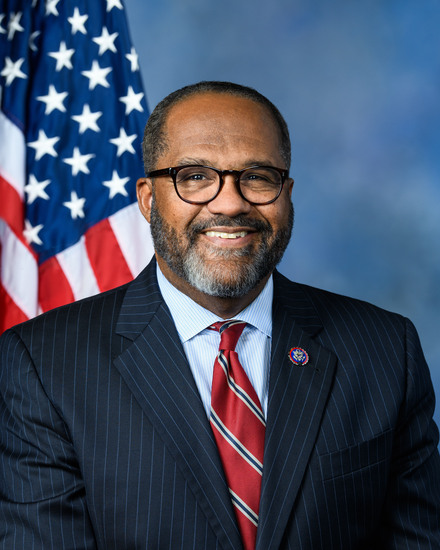
Cleo Fields
77% support rate
Top opponent
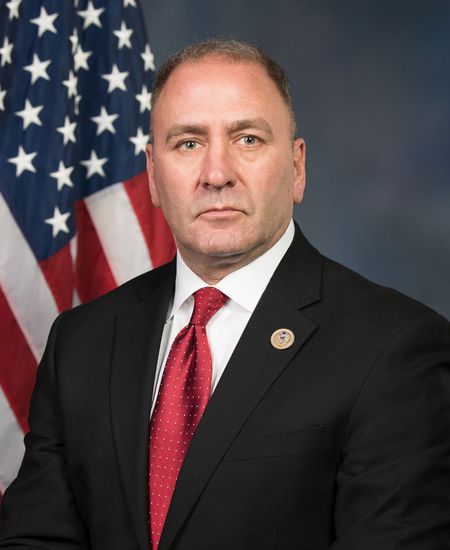
Clay Higgins
24% support rate
Ranked legislators
8
3 support · 5 oppose
Key legislators

Who's moving technology in Louisiana

Legislators moving technology in Louisiana
Legislator Party Stance Support rate Votes
Cleo Fields
Cleo Fields House · District 6
D
Support
77% 253
Troy A. Carter
Troy A. Carter House · District 2
D
Support
73% 263
Bill Cassidy
Bill Cassidy Senate
R
Mixed
50% 225
Clay Higgins
Clay Higgins House · District 3
R
Oppose
24% 258
Mike Johnson
Mike Johnson House · District 4
R
Oppose
29% 197
John Kennedy
John Kennedy Senate
R
Oppose
31% 230
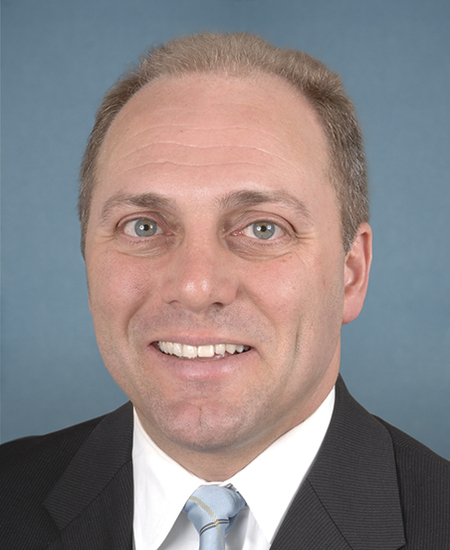
Steve Scalise
Steve Scalise House · District 1
R
Oppose
32% 257
Julia Letlow
Julia Letlow House · District 5
R
Oppose
32% 253
Showing 1–10 of 93 bills

All technology bills

in committee · United States · House Aug 3, 2026

HR 10017: Permanent CBDC Ban Act

This bill, titled the Permanent CBDC Ban Act, aims to permanently prohibit the Federal Reserve from issuing a central bank digital currency. It achieves this by amending the Federal Reserve Act to remove the specific legal authority that allows the Reserve to create such a digital currency. The legislation directly affects the Federal Reserve by stripping away its power to launch a digital version of the dollar. By deleting the relevant subsection of the law, the bill ensures that the Reserve cannot issue a CBDC in the future.
in committee · United States · Senate Jul 30, 2026

S 5176: National Guard for National Service Act

This bill creates a pilot program that brings together the National Guard and the Corporation for National and Community Service to address workforce needs and national security goals. The program would allow National Guard members to work alongside national service participants on projects such as protecting critical infrastructure like energy grids and water systems, improving cybersecurity for schools and local governments, and enhancing disaster preparedness. It also aims to build a career pipeline that connects part-time Guard and Reserve members with structured employment opportunities to help address economic insecurity. Ultimately, the legislation seeks to expand community resilience and ensure workforce stability through these coordinated activities.
in committee · United States · Senate Aug 4, 2026

S 5224: Runway SAFE-T Act

The Runway SAFE-T Act establishes a task force to study and recommend improvements for driver training programs at airports, ensuring that ground vehicle operators receive consistent and modern safety instruction. Additionally, the bill authorizes federal grants from 2027 to 2031 to help airports purchase advanced technologies, such as sensors and simulation systems, that enhance situational awareness and reduce vehicle-related safety incidents on airport runways and taxiways. These grants are intended to assist airport sponsors in overcoming barriers like cost and workforce availability while prioritizing projects tailored to specific airport layouts and safety needs.
Sub-Topics Airports
in committee · United States · Senate Aug 4, 2026

S 4965: Railroad Retirement Board Stability Act

This bill creates a new administrative account for the Railroad Retirement Board to manage funds specifically for its operations and technology upgrades. It establishes strict limits on how much money can be moved into this account between 2027 and 2031, based on a percentage of benefits paid or investment trust amounts, while also setting aside millions of dollars annually for modernizing outdated computer systems. Additionally, the bill requires the Government Accountability Office to produce reports reviewing the Board's efforts to update its legacy IT systems and consult with various stakeholders, including railroads and unions.
in committee · United States · Senate Jul 14, 2026

S 4959: STOP Child Care Fraud Act

The STOP Child Care Fraud Act aims to reduce fraud and improve oversight within the federal child care subsidy program by requiring stricter verification processes for parents and providers. States must now verify family income and assets without relying on self-certification, limit payment exceptions for absent children to six days per month, and use electronic tools to confirm attendance. The bill also mandates that states integrate data from various systems to detect suspicious patterns and requires the federal government to review state compliance at least every three years. Additionally, the law establishes a national database of disqualified providers, imposes stricter penalties for audit failures, and sets specific asset and income limits for eligible families.
in committee · United States · House Jun 25, 2026

HR 9493: Home Internet Accessibility Act

The Home Internet Accessibility Act requires the Comptroller General to produce a detailed report within a year on which federally assisted housing units currently have or lack the infrastructure to support high-speed internet. This report will analyze specific challenges, costs, and timelines for upgrading these properties, broken down by location and demographic data, while also reviewing past retrofitting efforts and pilot programs. Following this analysis, the Department of Housing and Urban Development must create a formal plan to upgrade necessary housing to support broadband service and submit it to Congress within 18 months. The legislation directly affects residents of government-subsidized housing by aiming to ensure their living spaces can accommodate modern internet connectivity.
in committee · United States · House Jun 25, 2026

HR 9453: End EPA Abuse Act of 2026

The End EPA Abuse Act of 2026 amends the Clean Air Act to limit the Environmental Protection Agency's authority to create new regulations. Specifically, it prohibits the EPA Administrator from issuing rules that restrict the sale or use of internal combustion engine vehicles, force power plants to switch fuel sources, or reduce the reliability of the electric grid. The bill also bars the agency from mandating technologies that are commercially unavailable, too expensive without subsidies, or technically unfeasible due to geographic or infrastructure limitations. Additionally, the law prevents the EPA from expanding its regulatory power beyond what Congress originally intended. These changes directly affect the EPA's ability to enforce environmental standards and impact industries such as automotive manufacturing and energy production.
in committee · United States · House Jun 11, 2026

HR 9286: Broadband Deployment and Economic Impact Study Act of 2026

This bill directs the Assistant Secretary of Commerce for Communications and Information to conduct a comprehensive study on various broadband internet technologies, including fiber-optic cables, satellite systems, and mobile wireless networks. The study will examine specific factors such as workforce needs, deployment costs, internet speed and latency, equipment lifespan, and monthly subscription prices for consumers. The findings will be compiled into a report submitted to Congress within one year of the bill's enactment to inform future policy decisions regarding broadband infrastructure.
in committee · United States · Senate Jun 3, 2026

S 4678: SIMS Act

The SIMS Act prohibits companies from creating or operating chatbots that simulate minors engaging in sexually explicit conduct or conversations. This law applies to any person offering such software in the United States and defines a minor as anyone under 18 years old. While the ban covers simulations of real or fictional minors, it includes specific exemptions for law enforcement agencies investigating child sexual exploitation. Violations can result in criminal fines of up to $100,000 or civil penalties, and the Attorney General is required to submit annual reports on enforcement actions and investigations related to the new rules.
Sub-Topics Law Enforcement
in committee · United States · Senate Jun 2, 2026

S 4667: Open Courts Act of 2026

The Open Courts Act of 2026 creates a single, modernized online system to store and display public records for most federal courts in the United States. This centralized platform will automatically make court documents, audio recordings, and opinions available to the public immediately upon filing, while also offering features like searchable databases, email notifications for case updates, and permanent links for easy access. To help fund the development and maintenance of this new system, the bill introduces a fee structure that charges higher rates for high-volume users and government agencies while keeping basic access free for everyone. Additionally, the law sets strict standards for digital accessibility, cybersecurity, and data privacy, and requires regular audits to ensure the system meets user needs and remains secure.
Sub-Topics Courts Cybersecurity Data Privacy Tags Government Transparency
Showing 1 to 10 of 93 bills
1 2 3 10 Next