Issue · Education

Education

Every education bill, vote, and legislator stance in Louisiana, automatically classified by Maddy, our AI policy reader.

Total bills
15
119th Congress
Top supporter
Bill Cassidy
71% support rate
Top opponent
Clay Higgins
22% support rate
Ranked legislators
8
4 support · 4 oppose
Key legislators

Who's moving education in Louisiana

Legislators moving education in Louisiana
Legislator Party Stance Support rate Votes
Bill Cassidy
Bill Cassidy Senate
R
Support
71% 163
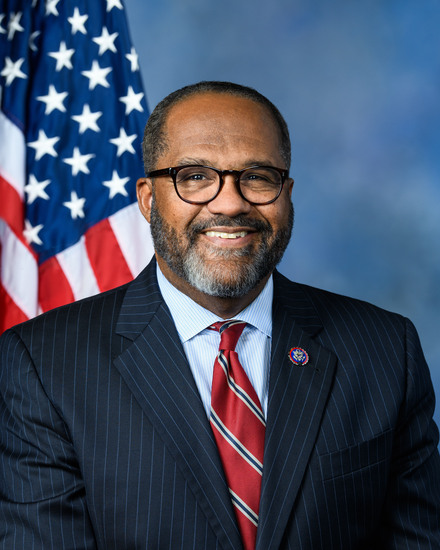
Troy A. Carter
Troy A. Carter House · District 2
D
Support
67% 130
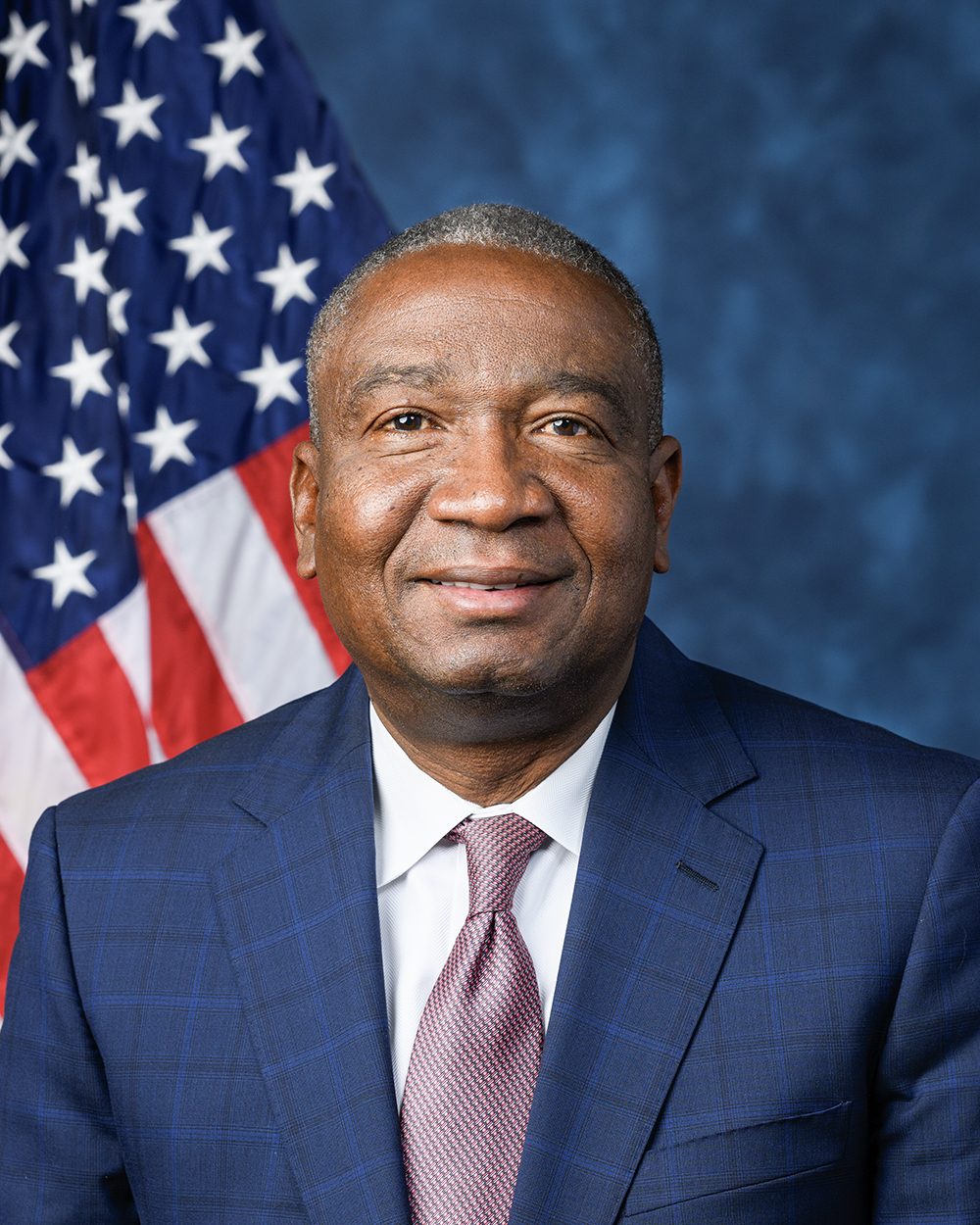
Cleo Fields
Cleo Fields House · District 6
D
Mixed
56% 129
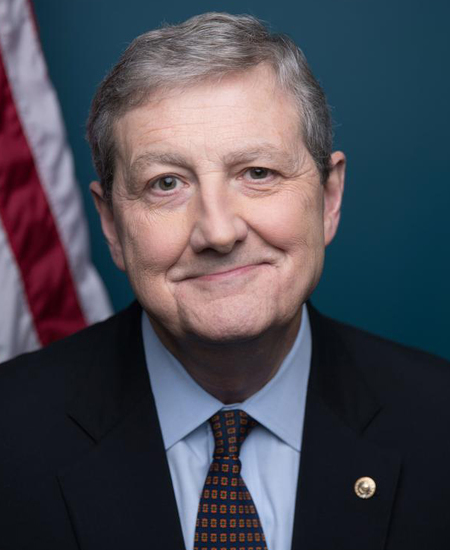
John Kennedy
John Kennedy Senate
R
Mixed
50% 166
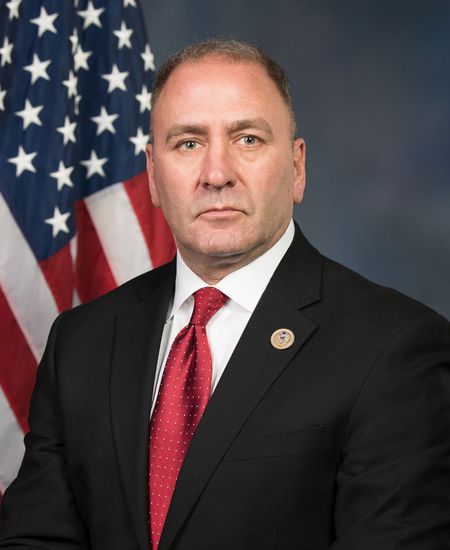
Clay Higgins
Clay Higgins House · District 3
R
Oppose
22% 131
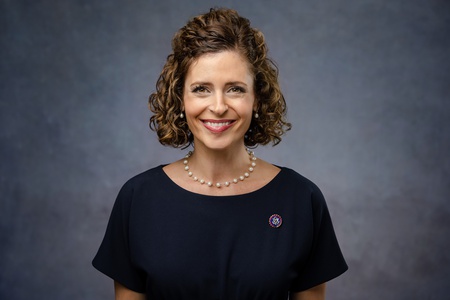
Julia Letlow
Julia Letlow House · District 5
R
Oppose
22% 126
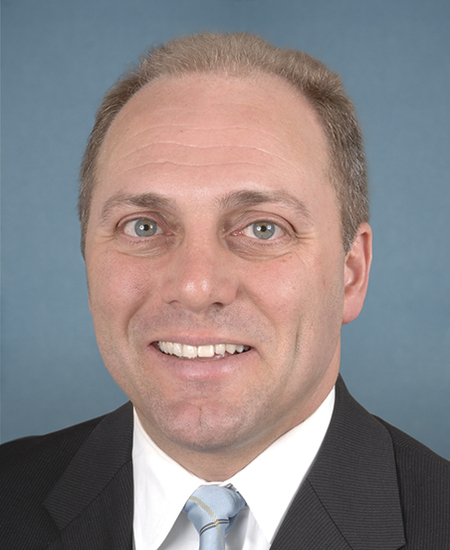
Steve Scalise
Steve Scalise House · District 1
R
Oppose
33% 128
Mike Johnson
Mike Johnson House · District 4
R
Oppose
33% 105
Showing 1–10 of 15 bills

All education bills

in committee · United States · House Jun 2, 2026

HR 9103: Merit Restoration Act

The Merit Restoration Act prohibits federal research agencies and grant recipients from using specific diversity, equity, and inclusion practices in their work. This law targets requirements that mandate employees or researchers sign statements or complete training asserting that certain races, sexes, or national origins are inherently superior or inferior. If a recipient is found to have violated these rules, the agency must freeze their funding and may require them to repay any money used during the violation. The restrictions apply to grants awarded on or after the bill becomes law, affecting scientific and medical research funded by the federal government.
in committee · United States · House May 21, 2026

HJRES 189: Providing for congressional disapproval under chapter 8 of title 5, United States Code, of the rule submitted by the Department of Education relating to "Reimagining and Improving Student Education-Federal Student Loan Program Final Regulations".

This joint resolution seeks to officially reject a final rule issued by the Department of Education regarding federal student loan programs. If passed, the measure would prevent the new regulations from taking effect, leaving the previous rules in place. The bill directly impacts borrowers, lenders, and the Department of Education by nullifying the specific changes outlined in the "Reimagining and Improving Student Education" proposal. It is a procedural action that uses the Congressional Review Act to disapprove the agency's policy without altering the underlying law.
in committee · United States · House Apr 23, 2026

HR 8485: No Rogue Jurors Act

The "No Rogue Jurors Act" prohibits the use of federal funds for organizations, schools, or entities that promote jury nullification. Specifically, it bans federal grants, contracts, and financial assistance to any group that conducts training, produces materials, or engages in outreach to encourage individuals to seek jury service in federal or District of Columbia courts with the intent to vote contrary to evidence or applicable law. This includes promoting the deliberate act of voting to acquit a defendant regardless of whether the elements of the charged offense have been established. This bill directly affects organizations that advocate for or educate on jury nullification and receive federal funding.
in committee · United States · House Apr 9, 2026

HJRES 155: Providing for congressional disapproval under chapter 8 of title 5, United States Code, of the rule submitted by the Department of Education relating to "William D. Ford Federal Direct Loan (Direct Loan) Program".

This bill seeks to block a specific rule issued by the Department of Education that affects the William D. Ford Federal Direct Loan Program. If passed, it would prevent the rule from taking effect, meaning the proposed changes to federal student loans would not be implemented. The measure uses a legislative process known as a joint resolution of disapproval to override agency regulations. It directly impacts students, families, and institutions that rely on federal student loans by stopping the Department of Education from enforcing the new policy.
in committee · United States · Senate Mar 26, 2025

S 1147: Defining Male and Female Act of 2025

This bill defines biological sex for federal law by amending Title 1 of the U.S. Code. It specifies that "female" means a person biologically characterized by egg-producing systems at conception, "male" means sperm-producing systems at conception, and "gender identity" is not recognized as replacing biological sex in federal contexts. The law directly affects all federal agencies, departments, and laws requiring interpretation of terms like "sex," "female," or "male" by mandating these biological definitions. It does not create new programs or funding but changes how federal agencies must interpret existing laws and regulations.
in committee · United States · House Jan 23, 2025

HR 650: Families’ Rights and Responsibilities Act

HR 650, the Families’ Rights and Responsibilities Act, protects parents’ fundamental right to direct their child’s education, moral or religious upbringing, and health care decisions. It prohibits government (including agencies and officials) from substantially interfering with these parental choices without proving a "compelling governmental interest" using strict scrutiny. The bill applies to all federal laws and programs, allowing parents to challenge government actions in court and seek remedies if their rights are violated. It specifically exempts cases involving serious child safety risks but aims to prevent government overreach in parenting decisions based on disagreement with parental choices. This bill directly affects parents of children under 18 and sets a legal standard for how government can interact with family decisions.
Tags Families
in committee · United States · Senate Jan 23, 2025

S 204: Families’ Rights and Responsibilities Act

This bill declares parental authority over a child's education, upbringing, and health care as a fundamental constitutional right. It requires government agencies at all levels to demonstrate a compelling interest and use the least restrictive means before interfering with these parental decisions - defining a "substantial burden" as actions like withholding benefits or imposing penalties that constrain parental choices. Exceptions apply only when parental decisions risk serious physical harm or end a child's life. The law applies to all federal and state government actions affecting these rights, adding parental claims to existing legal frameworks like the Religious Freedom Restoration Act.
Tags Families
in committee · United States · House Nov 12, 2025

HR 6035: Second Amendment Restoration Act of 2025

HR 6035, the Second Amendment Restoration Act of 2025, would repeal specific firearm-related provisions from the Bipartisan Safer Communities Act (2022), including rules on background checks and gun sales, and restore federal gun laws as they existed before that law was enacted. It also reverses an education-related provision affecting school safety grants under the Elementary and Secondary Education Act. The bill directly affects federal regulations governing gun ownership and school safety funding by reverting to pre-2022 legal standards. It does not create new gun laws but undoes specific changes made by the 2022 law.
Sub-Topics Firearms School Safety
in committee · United States · House Jul 2, 2026

HR 7661: Stop the Sexualization of Children Act

This bill prohibits federal funding under the Elementary and Secondary Education Act for any program, activity, literature, or material provided to children under 18 that includes "sexually oriented material," defined as depictions of explicit conduct or content involving gender dysphoria or transgenderism. It exempts standard science courses (like biology and anatomy), religious texts, and specific "classic" works of literature and art listed in designated references (e.g., *Great Books of the Western World* and Smarthistory guides). The law directly affects federally funded K-12 educational programs, restricting how school districts can use federal dollars for curriculum materials. It does not ban teaching about human anatomy, art history, or literature, as those are explicitly excluded from the definition of prohibited material.
in committee · United States · House May 13, 2025

HR 3345: Sovereign States Education Restoration Act

The Sovereign States Education Restoration Act would abolish the U.S. Department of Education and transfer its programs to other federal agencies, including moving student loans (Pell Grants, Direct Loans) to the Treasury, special education to Health and Human Services, and Indian education to the Interior. It would create block grants for states to fund K-12 and postsecondary education, with funding allocated based on student enrollment in each state. States receiving these grants must submit annual data, pass audits, and comply with federal civil rights laws, enforced by the Justice Department. The bill authorizes funding equivalent to the 2019 Department of Education budget, allocating 50% for state block grants and 20% for oversight.
Showing 1 to 10 of 15 bills
1 2 Next