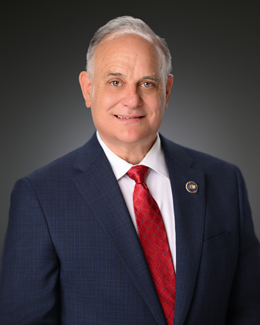
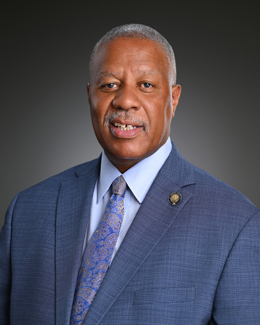
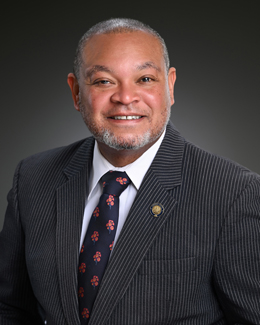
SB 14 allows retired Louisiana teachers to return to eligible teaching positions while receiving partial retirement benefits, affecting those who retired before June 2010, are age 65 or older, or return within 12 months of retirement. Retirees can choose between two options: working with earnings capped at 50% of their original salary (receiving reduced benefits but no additional retirement credits) or suspending benefits to regain full membership during reemployment, with a supplemental benefit calculated upon leaving. The bill requires retirees to pay employee contributions during reemployment but refunds these contributions (without interest) upon termination, while employer contributions are retained. Disability retirees are excluded, and the bill includes reporting requirements with an effective date of July 1, 2026.
HB 28 amends Louisiana's teacher certification appeals process to give the state superintendent of education new authority. It allows the superintendent to override a Teacher Certification Appeals Council's denial of certification if the denial resulted from circumstances beyond the applicant's control (e.g., administrative errors), but not if the certification would conflict with state or federal law. This applies to applicants denied certification after January 1, 2025, including retroactive review of past denials. The bill directly affects educators seeking certification who have been denied by the appeals council. The key change is adding this superintendent override option while maintaining the council's decision as final except under these specific conditions.
This resolution asks the Louisiana Departments of Health and Education to share de-identified student vision screening data from 2018 to the present with independent researchers. The requested information includes details such as the year of screening, grade level, visual acuity results, and demographic categories to help analyze long-term trends in student eye health. While the bill does not change existing laws or require immediate action, it seeks to facilitate studies that could inform future decisions about student well-being and educational practices. If the agencies agree to provide the data, researchers will conduct the analysis and report their findings back to the legislature.
This legislative resolution asks the Louisiana Department of Transportation and Development to build a roundabout at the intersection of Louisiana Highway 1019 and Old Louisiana Highway 16. The bill cites safety data suggesting roundabouts reduce severe collisions and encourages drivers to slow down, which is particularly relevant near the nearby Live Oak Junior High School. By formally requesting this infrastructure change, the resolution aims to improve traffic safety without mandating the construction.
SB 28 lowers the minimum age requirement for associate teachers in Louisiana from 25 to 21 years old. This change directly affects individuals seeking to join Louisiana's associate educator program as new participants. The bill amends existing law (R.S. 17:7.8(B)(3)) to update this age requirement, with no other substantive policy changes described in the text. The bill is currently in early stages, having been prefilled and referred to the Education Committee.
HB 201 creates a State Seal of Fine Arts to recognize Louisiana high school graduates who complete specific arts coursework. To earn the seal, students must complete four credits in one arts discipline (like music or visual arts), maintain a 3.0 GPA in those courses, and complete an arts-related capstone project or portfolio. The state superintendent will provide schools with an insignia to affix to qualifying students' diplomas or transcripts, while schools must track recipients and the State Board of Education will establish detailed implementation rules. This bill directly affects Louisiana public high school students pursuing arts education and requires participating schools to administer the recognition program.
SB 142 requires public university management boards in Louisiana to maintain compliance with the original conditions attached to Board of Regents Support Fund matches. Specifically, it ensures that nonstate contributions matched with public funds (through endowment programs) must continue to follow their initial terms, including preserving the original matching funds' purpose and not altering the combined corpus of state and nonstate contributions. This directly affects all public postsecondary institutions receiving these matched funds, as they must uphold the same rules governing how those funds are used, invested, and protected. The bill does not create new programs but reinforces existing requirements for handling these specific state-matched endowments.
HB 570 modifies Louisiana's property tax rules to allow local taxing authorities (like parishes, cities, or school boards) to adjust millage rates after reassessments. It permits elected bodies to raise rates up to the constitutional maximum with a two-thirds vote (no voter approval needed), while non-elected bodies face a 2.5% annual revenue cap on increases. Unspent rate allowances expire after 2024 (2023 for Orleans Parish), resetting to 2026 rates, and rates automatically decrease if reassessment increases property values. The bill directly affects local governments setting property taxes and property owners paying those taxes, effective January 1, 2027, pending constitutional amendment approval.
HB 285 allows Louisiana high school boards to partner with credit unions to operate on-site branches at high schools. The bill requires these branches to be integrated into the state-mandated financial literacy course (R.S. 17:270), giving students hands-on experience managing personal finances. School boards must establish rules for outside use of buildings, including fees, under this new partnership framework. The policy directly affects high school students, school boards, and credit unions by embedding practical financial education into existing coursework.
HB 268 requires Louisiana public schools to provide career exposure activities for students in grades 6-8, mandating at least six activities annually per grade level. Three of these activities must align with high-demand Louisiana jobs (via Louisiana Works), involve employer interaction, link to career pathways, or offer work-based learning. It also requires schools to provide at least one career awareness activity for K-5 students before fifth grade and document at least one activity per student in their Individualized Graduation Plan. School boards must annually certify compliance to the state Department of Education and maintain records of these activities.