

Maddy summaryHR 5940, the Seniors Deserve SMARTER Care Act of 2025, prohibits the implementation of the Medicare WISeR model (described in a July 2025 federal notice). The bill specifically blocks the Secretary of Health and Human Services from using the WISeR model, which would have required prior authorization for certain medical services under Medicare. This directly affects Medicare beneficiaries and healthcare providers who would have been subject to the model's requirements. The key provision is a clear ban on implementing WISeR or any substantially similar payment model, preventing changes to Medicare's service authorization process. The bill does not create new programs but stops a specific proposed Medicare policy change.
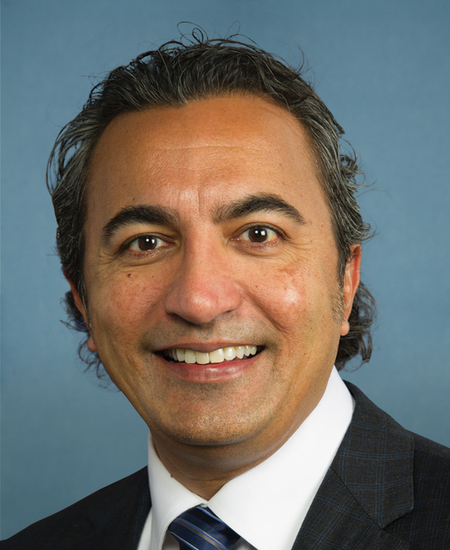
Rep. Ami Bera
Sponsored bills
Maddy summaryThe North Korean Human Rights Reauthorization Act of 2025 reauthorizes U.S. programs supporting human rights in North Korea through 2030, extending funding and reporting requirements from previous timelines. It mandates annual reports to Congress on U.S. efforts to improve human rights conditions, including coordination with international partners and support for nongovernmental organizations. The bill directs diplomatic actions urging China to halt forced returns of North Korean refugees, allow UNHCR access to refugees in China, and address refugee resettlement. It also requires the State Department to report on efforts to appoint a Special Envoy for North Korean Human Rights and expands U.S. support for information access into North Korea. These provisions directly affect U.S. foreign policy implementation, international humanitarian coordination, and the protection of North Korean refugees.
Maddy summaryThis bill, HR 5973, requires federal immigration enforcement personnel to follow strict limits on force use, including proportional application, mandatory de-escalation efforts, and prohibitions on equipment like flash bangs or rubber bullets except for specific public safety threats. It mandates body-worn and vehicle cameras for all operations, with footage retained for one year (three years for force incidents or complaints), and grants affected individuals the right to inspect recordings. The law also requires annual training on force policies, First Amendment compliance, and racial bias avoidance, while demanding detailed quarterly reports to Congress on force usage, assaults on agents, and equipment approvals. These provisions directly affect all federal immigration agents conducting enforcement actions, aiming to increase transparency and accountability during operations.
Maddy summaryThis bill extends the annual open enrollment period for health insurance marketplaces (Exchanges) to cover the 2026 plan year. It requires the Health and Human Services Secretary to adjust the enrollment window to begin November 1, 2025, and end May 1, 2026 - significantly lengthening the typical enrollment period. This change directly affects individuals and families purchasing health insurance through federal or state-based marketplaces who rely on the annual enrollment period to select or change coverage. The key provision modifies the existing enrollment timeline under the Affordable Care Act, providing a longer window for enrollment decisions.
Maddy summaryHR 5907 authorizes the U.S. Department of Housing and Urban Development (HUD) to award grants to local governments, tribal entities, and municipal organizations to select pre-approved construction plans for mixed-income housing structures. These structures include duplexes, cottage courts, and other small-scale developments (up to 25 units) designed to promote affordability, with a specific requirement that 10% of annual funding must support rural areas. The bill mandates grantees to report on housing impacts, permits issued using the approved designs, and units built, while requiring the return of funds if selected designs aren’t adopted within five years. It focuses on streamlining housing approvals through pre-reviewed plans, not construction funding, to increase affordable housing supply.
Maddy summaryHR 5913, the Community Investment and Prosperity Act, amends two existing banking regulations by increasing a percentage threshold from 15% to 20% in two specific legal provisions. It revises the Revised Statutes (12 U.S.C. 24) and the Federal Reserve Act (12 U.S.C. 338a), specifically altering the fifth sentence of designated paragraphs. These changes directly affect how national banks and financial institutions calculate certain regulatory requirements under federal law. The bill makes a technical adjustment to existing banking rules without creating new programs or altering broader community investment policies.
Maddy summaryHRES 846 is a symbolic resolution designating October 2025 as National Domestic Violence Awareness Month. It expresses the House's support for raising awareness about domestic violence and its impacts, and calls for continued congressional attention to ending domestic violence through existing programs. The resolution does not create new laws, allocate funding, or directly affect any specific groups - it is purely a statement of support. It references statistics on domestic violence prevalence but focuses on awareness rather than policy changes.
Maddy summaryThis non-binding resolution (HRES 844) expresses the U.S. House of Representatives' support for designating October 2025 as "Crime Prevention Month." It encourages federal agencies to fund evidence-based crime prevention programs - like youth mentorship, mental health services, and neighborhood safety initiatives - and urges state/local governments to adopt strategies such as Crime Prevention Through Environmental Design. The resolution also commends community workers and calls on all citizens to participate in public safety activities during October. It has no legal effect but aims to raise awareness and foster collaboration across communities, government, and private sectors to reduce crime.
Maddy summaryThe Eviction Helpline Act requires the Secretary of Housing and Urban Development to establish a free hotline within one year of enactment to provide eviction-related assistance to tenants living in HUD-assisted rental housing. This includes tenants in public housing, Section 8 voucher programs, and other federally subsidized housing units covered under specific HUD programs. The hotline will offer direct support for eviction issues, such as legal guidance or housing resources, without requiring tenants to pay for services. The bill does not change existing housing laws but creates a new service to help vulnerable renters navigate eviction processes. Funding for the hotline will be authorized annually starting in fiscal year 2026.
Maddy summaryHRES 824 is a ceremonial House resolution recognizing the religious and historical significance of Diwali, the festival of lights. It acknowledges Diwali’s meaning across Hindu, Sikh, and Jain traditions - symbolizing light over darkness, good over evil, and marking spiritual milestones like Guru Hargobind’s release and Lord Mahavira’s Nirvana. The resolution expresses respect for Indian-Americans and the global Indian diaspora, highlighting Diwali’s role in U.S. religious diversity. As a non-binding recognition, it does not create new laws, policies, or funding, but formally honors the cultural observance.