

Maddy summaryHR 7138 disallows tax deductions for mortgage interest and depreciation on single-family homes (1-4 units) owned by large investment entities with over $100 million in assets, while imposing a 100% excise tax on sales or transfers of such properties. The bill directly affects institutional landlords (e.g., large real estate investment firms), excluding government entities, nonprofits, and federally assisted housing. Revenue from the tax will fund low-income housing programs via the Housing Trust Fund. It also prohibits Fannie Mae, Freddie Mac, and Ginnie Mae from purchasing or guaranteeing mortgages for these properties. The provisions apply 18 months after enactment.
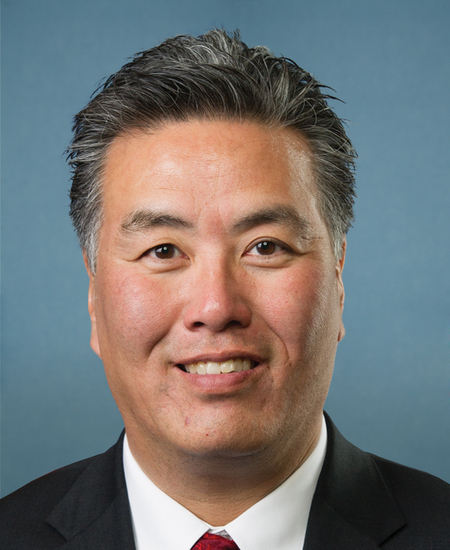
Rep. Mark Takano
Sponsored bills
Maddy summaryHRES 996 is a resolution introduced by multiple House members to impeach Kristi Lynn Arnold Noem, the Secretary of Homeland Security, for alleged violations of law and the Constitution. It outlines three articles of impeachment: obstructing congressional oversight by denying access to detention facilities and withholding funds, violating public trust through warrantless arrests and excessive force (including tear gas on children), and self-dealing by awarding federal contracts to associates without competitive bidding. If approved by the House, this resolution would formally charge Noem, triggering a Senate trial to determine her removal from office. The resolution itself does not enact new policy but initiates the constitutional impeachment process against a sitting Cabinet official.
Maddy summaryHRES 995 is a symbolic resolution supporting Korean American Day, commemorating January 13 as the anniversary of the 1903 arrival of the first large wave of Korean immigrants to the U.S. It urges all Americans to recognize Korean Americans' contributions to U.S. society, economy, and U.S.-South Korea relations, honoring their historical journey and ongoing impact. The resolution has no legal effect or policy changes - it serves solely as a formal acknowledgment of cultural heritage.
Maddy summaryHRES 994 is a resolution urging the Secretary of Defense to review section 504 of title 10, U.S. Code, which governs military enlistment of aliens. It specifically requests an assessment of whether current policy permits enlisting immigrants holding Deferred Action for Childhood Arrivals (DACA) employment authorization - a status created by a 2012 DHS memo. This resolution does not change military eligibility rules but asks for a formal review to determine if DACA holders could be recruited. It directly affects the Department of Defense’s enlistment procedures and potential recruitment of immigrants with DACA status.
Maddy summaryThe Unsubscribe Act of 2025 regulates "negative option" billing practices, where companies automatically charge consumers unless they actively opt out. It requires merchants to clearly disclose all terms before charging, obtain explicit consumer consent, and provide an easy online cancellation method. The bill specifically targets contracts like free-to-pay conversions (e.g., "free trial" followed by automatic charges), mandating clear upfront terms about pricing and renewal. Consumers directly benefit through greater transparency and control, while merchants must comply with new disclosure, consent, and cancellation rules starting one year after enactment. Enforcement falls to the Federal Trade Commission and state attorneys general.
Maddy summaryHR 6088, the *Restoring Food Security for American Families and Farmers Act of 2025*, repeals specific sections (10101-10108) from a prior reconciliation law. This action revives previous provisions related to food security programs that were modified by those repealed sections. The bill directly affects federal food assistance and agricultural support programs by restoring their prior legal framework. It does not create new policies but reverses recent changes to existing food security measures.
Maddy summaryThe Customer Non-Discrimination Act (HR 7005) amends the Civil Rights Act of 1964 to prohibit discrimination based on sex - including sexual orientation and gender identity - in public accommodations. It expands the definition of "public accommodations" to cover stores, online retailers, banks, healthcare providers, transportation services, and other establishments offering goods or services. The bill clarifies that "sex" includes sexual orientation, gender identity, pregnancy, and sex stereotypes, and specifies that individuals cannot be denied access to facilities like restrooms based on their gender identity. These changes apply directly to businesses and service providers covered under the Civil Rights Act, ensuring broader protection against discrimination for LGBTQ+ individuals.
Maddy summaryThis concurrent resolution (HCONRES 69) commemorates the 15th anniversary of the January 8, 2011, Tucson shooting that killed six people and injured 13, including former Congresswoman Gabby Giffords. It honors the victims, survivors, and Giffords - now a prominent advocate for gun violence prevention - and recognizes her leadership in promoting civility and reducing gun violence. The resolution also commends Tucson residents and first responders for their resilience and reaffirms Congress’s commitment to respectful dialogue and opposing political violence. As a ceremonial resolution, it does not create new laws or policies.
Maddy summaryThis resolution (HRES 980) commemorates the one-year anniversary of the 2025 Southern California wildfires, which impacted communities like Pacific Palisades and Altadena. It honors the 31 people who lost their lives, commends first responders who fought the fires, and affirms the House's ongoing support for affected communities. The resolution is purely ceremonial and does not create new laws, allocate funds, or change existing policies. It directly affects the Southern California communities devastated by the wildfires and their residents.
Maddy summaryHR 4611 (EACH Act of 2025) requires all federally funded health programs - including Medicaid, Medicare, military health plans, and the Indian Health Service - to cover abortion services without restrictions, repealing the Hyde Amendment's long-standing ban on federal funding for most abortions. This directly affects millions of people enrolled in these programs, particularly low-income women, women of color (including 25% of Black women and 22% of Hispanic women on Medicaid), and young people. The bill mandates coverage in all federally administered health plans and prohibits state or private insurers from restricting abortion coverage in health insurance. It aims to eliminate current federal and state barriers that deny abortion access to people who rely on government health programs.