Issue · Education

Education

Every education bill, vote, and legislator stance in Kentucky, automatically classified by Maddy, our AI policy reader.

Total bills
52
119th Congress
Top supporter
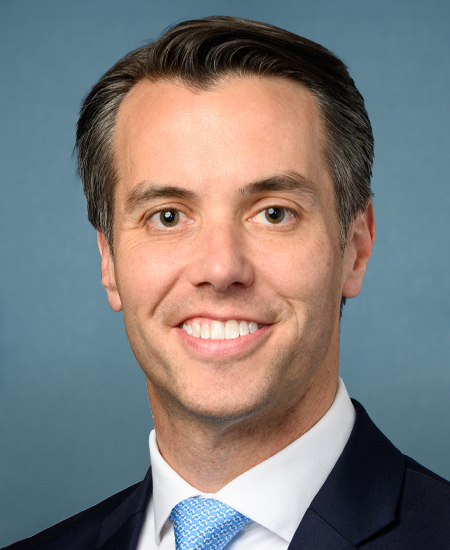
Morgan McGarvey
78% support rate
Top opponent
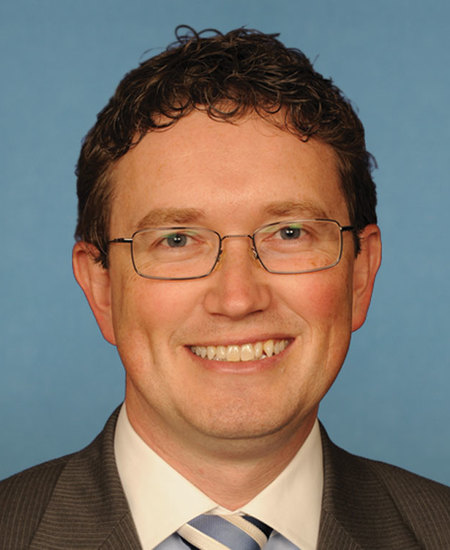
Thomas Massie
14% support rate
Ranked legislators
6
1 support · 5 oppose
Key legislators

Who's moving education in Kentucky

Legislators moving education in Kentucky
Legislator Party Stance Support rate Votes
Morgan McGarvey
Morgan McGarvey House · District 3
D
Support
78% 130
Thomas Massie
Thomas Massie House · District 4
R
Strong −
14% 126
Rand Paul
Rand Paul Senate
R
Oppose
29% 165
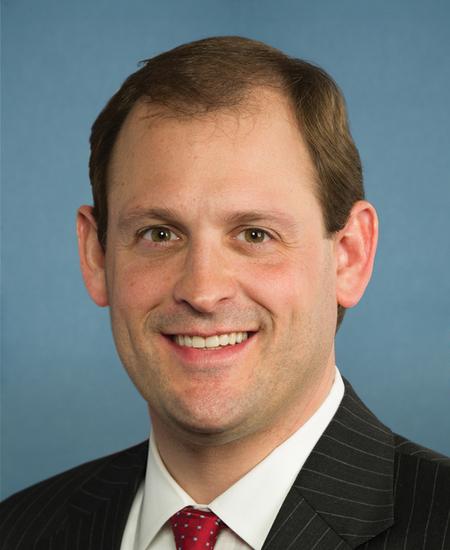
Andy Barr
Andy Barr House · District 6
R
Oppose
33% 126
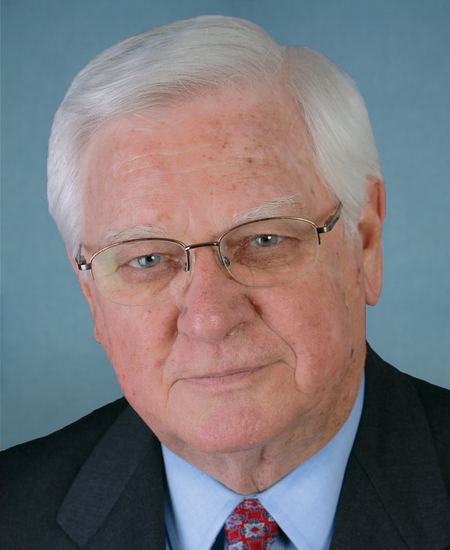
Harold Rogers
Harold Rogers House · District 5
R
Oppose
33% 129
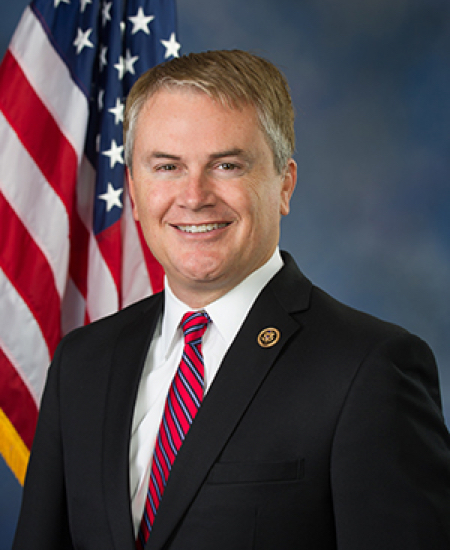
James Comer
James Comer House · District 1
R
Oppose
33% 128
Showing 1–10 of 52 bills

All education bills

in committee · United States · House Jun 8, 2026

HR 9196: Helen Keller Education Act

The Helen Keller Education Act aims to improve educational outcomes for children with deafblindness by requiring states to identify and serve these students regardless of how they are currently classified. The bill mandates that schools evaluate deafblind children using qualified professionals who understand their unique communication needs, including tactile sign language and other non-symbolic methods. It also establishes new requirements for state plans to ensure sufficient availability of specialized teachers and interveners, while providing technical assistance and updated policy guidance to parents and educators. Additionally, the legislation strengthens early intervention services for infants and toddlers with deafblindness by including specific language and communication goals in their individualized plans.
in committee · United States · House Jun 8, 2026

HR 9195: Alice Cogswell and Anne Sullivan Macy Act

This bill, known as the Alice Cogswell and Anne Sullivan Macy Act, amends the Individuals with Disabilities Education Act to improve special education services for children who are deaf, hard of hearing, deafdisabled, blind, visually impaired, or deafblind. It requires states to identify these students regardless of how they are currently classified, ensuring they receive specialized instruction in their primary language and access to qualified professionals. Key provisions mandate that state plans include specific strategies for language development, Braille instruction, and the use of assistive technologies, while also establishing a new national center to support research and training for educators of students with visual disabilities. Additionally, the legislation clarifies definitions for deafblindness and interveners, updates data reporting requirements to track these populations more accurately, and ensures early intervention services are delivered in natural environments to support language and communication milestones.
Sub-Topics Special Education
in committee · United States · House May 13, 2026

HR 8798: Universal School Meals Program Act of 2026

The Universal School Meals Program Act of 2026 mandates that all public schools provide free breakfast and lunch to every enrolled student, regardless of income. It establishes specific funding rates for these meals, adjusts payments based on the use of locally sourced food, and eliminates the ability of schools to collect debt for unpaid charges. Additionally, the bill expands free meal access to summer programs, afterschool care, and incarcerated juveniles while updating poverty measurement standards across various federal education and nutrition laws.
Sub-Topics Student Health
in committee · United States · House May 13, 2026

HR 8791: IGNITE HBCU Excellence Act

The IGNITE HBCU Excellence Act authorizes federal grants to Historically Black Colleges and Universities (HBCUs) to fund long-term improvements to their campus facilities and infrastructure. These grants are awarded competitively to eligible HBCUs based on criteria such as the age of their facilities, deferred maintenance needs, financial capacity, and student enrollment levels. Recipients may use the funds to construct or renovate buildings, upgrade technology and broadband systems, improve safety measures, and develop workforce training hubs, while being prohibited from using the money for routine maintenance or athletic facilities. The legislation also includes provisions for reporting on project outcomes and requires institutions to create comprehensive master plans that involve consultation with diverse campus and community stakeholders.
in committee · United States · House Feb 20, 2026

HR 7637: Head Start for America’s Children Act

The Head Start for America's Children Act amends the Head Start Act to enhance early childhood education services for low-income children, with specific provisions to improve culturally responsive programming for Native American and Native Hawaiian communities. It increases funding for Head Start programs, including $91.575 million for transportation, $37.5 million for workforce development, and $863 million for extended operations to provide full calendar year services. The bill updates definitions throughout the law to use more inclusive language, replacing "limited English proficient" with "children who are developing English proficiency," and establishes new requirements for staff compensation and benefits to improve recruitment and retention. Native American Head Start programs and migrant/seasonal programs are exempt from certain requirements, such as the full calendar year service requirement.
Sub-Topics Early Childhood
in committee · United States · House Sep 8, 2026

HR 5634: Veterans Flight Training Responsibility Act of 2026

This bill limits the amount of Post-9/11 GI Bill benefits available for flight training at public colleges and universities. It sets a $100,000 maximum total benefit for such training (adjusted annually for inflation), affecting veterans pursuing flight programs at public institutions. The inflation adjustment uses the Consumer Price Index, increasing the cap each year based on prior cost-of-living changes. The limit applies only to veterans starting flight training on or after August 1, 2026. This is a direct change to benefit eligibility under the VA's education program.
in committee · United States · House Jun 17, 2025

HR 4032: Lowering Broadband Costs for Consumers Act of 2025

This bill requires major internet companies (including social media, streaming services, and app stores) and broadband providers to contribute to the Universal Service Fund, which subsidizes affordable broadband in rural and high-cost areas. It exempts smaller companies that transmit less than 3% of U.S. broadband data or earn under $5 billion annually. The Federal Communications Commission must create a new support mechanism to help rural broadband providers cover costs, while ensuring contributions remain fair and predictable. The bill explicitly states it does not grant the FCC new authority over these companies.
Sub-Topics Broadband Access Social Media Telecommunications Tags Rural Communities
in committee · United States · House Apr 9, 2025

HR 1423: Guard and Reserve GI Bill Parity Act of 2025

HR 1423, the Guard and Reserve GI Bill Parity Act of 2025, expands GI Bill benefits to National Guard members who serve on full-time National Guard duty or active duty under Title 32. It removes previous exclusions by counting this service toward eligibility for Post-9/11 educational benefits, just like active-duty service. The change applies retroactively to service performed since September 11, 2001, allowing affected veterans to access benefits they were previously denied. This policy adjustment directly affects National Guard members who completed qualifying full-time duty since 2001.
in committee · United States · House Mar 2, 2026

HR 7472: To amend title 38, United States Code, to repeal a certain limitation on the receipt of assistance under both the Department of Veterans Affairs Veteran Readiness and Employment program and Department of Veterans Affairs educational assistance programs.

HR 7472 repeals a restriction that previously prevented veterans from receiving both Department of Veterans Affairs (VA) Veteran Readiness and Employment (VR&E) program support and VA educational benefits simultaneously. This change directly affects veterans who seek job training or employment assistance through VR&E while also pursuing education under VA programs. The bill amends Section 3695 of Title 38 by removing the existing limitation (formerly subsection (b)) and renumbering the remaining provisions. As a result, eligible veterans will no longer face an automatic disqualification from one program when receiving the other.
in committee · United States · House Jun 26, 2025

HR 4178: Enforce the Caps Act

HR 4178, the "Enforce the Caps Act," sets specific annual spending limits for non-defense discretionary programs in federal budgets from fiscal years 2026 through 2029. It establishes new budget authority ceilings of $1.622 trillion for 2026, increasing to $1.671 trillion by 2029. These caps directly affect federal agencies managing programs like education, transportation, and scientific research by restricting their annual funding levels. The bill amends the 1985 Balanced Budget Act to insert these fixed spending levels into law, creating binding limits for those fiscal years.
Showing 1 to 10 of 52 bills
1 2 3 6 Next