

Maddy summaryThis bill, known as the STOP Nitazenes Act, directs the federal government to permanently classify nitazenes and related synthetic opioids as Schedule I controlled substances, placing them in the same legal category as heroin and fentanyl. The legislation specifically targets a broad range of chemical compounds, including etonitazene and other variants, by defining them as 2-benzylbenzimidazole opioids and requiring the Attorney General to publish a list of qualifying substances. Under the bill, any nitazene substance temporarily scheduled under emergency provisions would be made permanently scheduled upon enactment, ensuring long-term federal control. The law also mandates that the Attorney General issue implementing rules within one year, allowing for immediate interim enforcement while providing opportunities for public comment before final regulations are established.
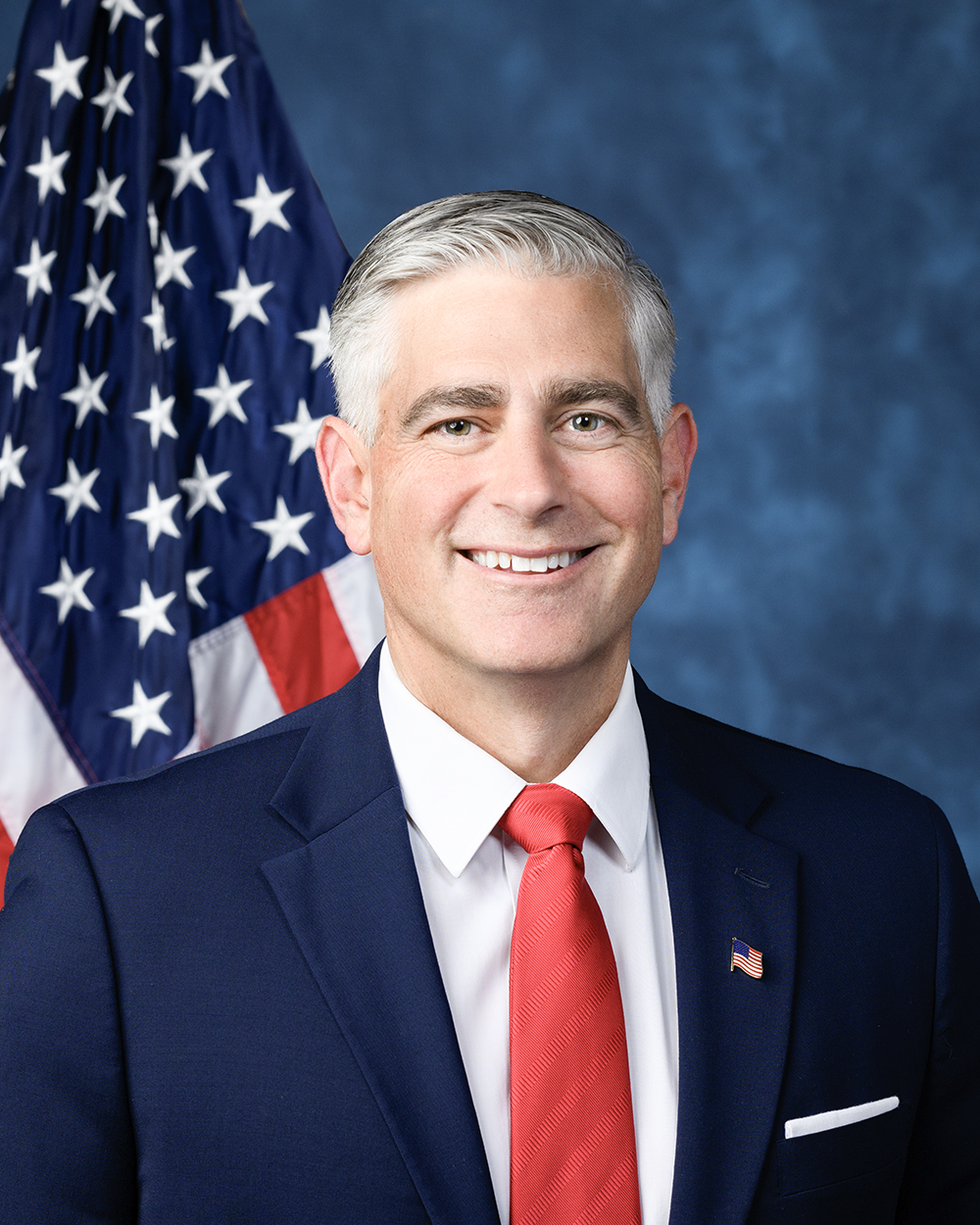
Rep. Michael Baumgartner
Sponsored bills
Maddy summaryHR 6213, the Heat Workforce Standards Act of 2025, prohibits the U.S. Department of Labor from finalizing, implementing, or enforcing OSHA's proposed "Heat Injury and Illness Prevention" standard (published August 30, 2024). This bill directly blocks the specific regulatory proposal targeting heat safety in both outdoor and indoor work settings. It does not create new requirements or affect workers; it solely prevents the implementation of the existing OSHA proposal. The bill is procedural, focusing on halting a regulatory action rather than establishing new policy.
Maddy summaryThis bill, known as the Daughters of the American Revolution Membership Integrity Act, amends federal law to explicitly limit membership in the Daughters of the American Revolution to adult human females. It defines a female as someone who naturally possesses or would have the reproductive system capable of producing ova for fertilization, regardless of any congenital anomalies or medical disruptions. By adding this specific definition to the organization's governing code, the legislation clarifies the genealogical and biological requirements for joining the group. The change directly affects the organization's eligibility rules but does not alter its internal operations or funding.
Maddy summaryThis bill transfers the responsibility for managing disclosures of foreign gifts received by U.S. colleges and universities from the Department of Education to the Department of State. The key mechanism involves moving all related duties, personnel, and funds to the Secretary of State, who will then have the authority to administer these functions under existing laws. To ensure a smooth transition, the Office of Management and Budget is tasked with certifying that the move does not increase the total number of federal employees and that all pending applications and legal proceedings continue without interruption. The changes are designed to centralize oversight of international gift transparency within the foreign affairs department while maintaining the status of existing administrative actions.
Maddy summaryHR 7651, the Chloe Cole Act of 2026, prohibits healthcare providers from performing certain medical interventions on minors under 18 aimed at altering physical development to align with gender identity. These "covered interventions" include puberty blockers, hormone treatments, and specific surgeries, but exclude medically necessary care for conditions like disorders of sexual development or traumatic injuries. The bill creates a federal civil lawsuit right for affected minors or their parents against providers who perform such interventions, allowing claims for damages including emotional distress and punitive awards, with strict liability for providers after the law's enactment. It explicitly allows exceptions for legitimate medical treatments and requires providers to prove such exceptions apply if challenged.
Maddy summaryThis bill requires Medicare Advantage plans to implement electronic pre-approval systems for medical services by 2028 and meet transparency reporting standards starting in 2027. Plans must publicly report data on approval/denial rates, appeal outcomes, response times, and technology use for pre-approval requests, including details on how denials relate to clinical criteria. It establishes a 24-hour response timeframe for certain requests and mandates annual reviews of pre-approval requirements based on data and input from seniors and providers. The law directly affects Medicare Advantage plans, seniors enrolled in these plans, and healthcare providers who submit pre-approval requests. These changes aim to make the pre-approval process faster, more transparent, and more accountable for seniors seeking covered medical services.
Protecting Privacy in Purchases Act This bill prohibits payment card networks from using merchant codes that distinguish firearms retailers from general-merchandise retailers or sporting-goods retailers. The Department of Justice must enforce this bill and report annually on the resulting investigations and cases.
Maddy summaryHR 5549, the Efficient Nuclear Licensing Hearings Act, streamlines the licensing process for nuclear facilities by reducing mandatory hearings. It allows the Nuclear Regulatory Commission (NRC) to issue construction permits, operating licenses, or amendments without a hearing if it provides 30 days' notice and Federal Register publication, skipping the hearing requirement only when an amendment involves "no significant hazards." This change applies to all pending NRC applications after enactment, shifting from current rules requiring hearings unless waived. The bill directly affects nuclear facility developers, the NRC, and communities potentially impacted by licensing decisions through its revised notice and hearing procedures.
Maddy summaryThe Jewish American Security Act aims to combat antisemitism by strengthening protections for Jewish students, securing Jewish communities, and increasing transparency regarding online hate speech. For educational institutions receiving federal funds, the bill mandates the creation of specific coordinators to handle discrimination complaints, requires annual training on handling antisemitism, and establishes a new federal clearinghouse to share best practices for campus safety. To support physical security, the legislation expands grant funding for nonprofit organizations and directs the Attorney General to provide resources for law enforcement agencies protecting houses of worship. Additionally, the act requires major online platforms with over 50 million monthly users to submit detailed reports to the Federal Trade Commission on how they detect, remove, and moderate antisemitic content.
Maddy summaryHR 2332, the SHARE Act of 2025, standardizes how states share criminal history background check information for professional licensing across state lines. It requires the FBI to provide this information to state licensing authorities through agreements with law enforcement, specifically for verifying applicants seeking licenses or practice privileges in multiple states. The bill strictly prohibits states from sharing detailed criminal history records with other states or the public, allowing only a simple "satisfactory" or "unsatisfactory" result to be shared. This directly affects licensed professionals (like nurses or contractors) seeking to practice in multiple states and the state agencies that issue their licenses.