

Maddy summaryHR 5562, the Tropical Plant Health Initiative Act, authorizes research and extension grants to address plant health threats affecting specific tropical crops. The bill directly supports researchers and agricultural programs working with crops like coffee, cacao, bananas, mangos, and vanilla by funding science-based tools to combat pests and weeds. Key provisions include developing pest management strategies, collecting production data, and researching biological factors affecting these plants' health. The initiative extends federal funding authorization through 2030, focusing on practical research to protect economically important tropical agriculture.
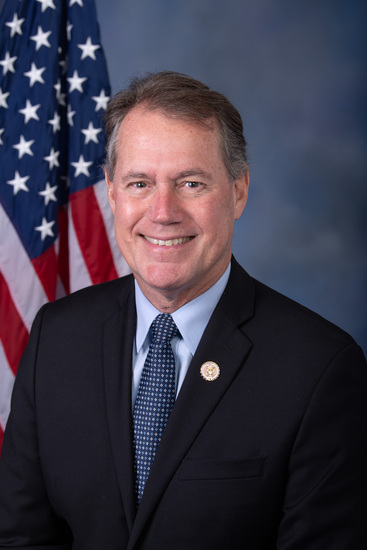
Rep. Ed Case
Sponsored bills
Give Kids a Chance Act of 2025 This bill expands the Food and Drug Administration’s (FDA’s) authority with respect to research on rare pediatric diseases, including by permitting the FDA to take enforcement action against drug sponsors that fail to satisfy pediatric study requirements and by reauthorizing programs that support pediatric research. Specifically, the bill modifies requirements relating to molecularly targeted pediatric cancer investigations to permit research on new drugs in combination with active ingredients that have already been approved, provided certain conditions are met; permits the FDA to take enforcement action against drug sponsors that fail to comply with pediatric study requirements, if such sponsors demonstrated a lack of due diligence in satisfying the requirement; renews the FDA’s authority to award priority review vouchers to sponsors of new products intended to treat rare pediatric diseases through September 30, 2029; and reauthorizes through FY2027 certain funding for the National Institutes of Health to support priority pediatric research. The bill also provides statutory authority for the FDA’s interpretation of the orphan drug exclusivity period. The bill specifies, consistent with FDA regulations, that the seven-year market exclusivity period for drugs for rare diseases or conditions (i.e., orphan drugs) prohibits the approval of the same drug for the same approved use or indication with respect to the disease or condition. (In Catalyst Pharmaceuticals, Inc. v. Becerra , a court rejected the FDA’s interpretation and held that orphan drug exclusivity extends to all uses or indications for the disease or condition.)
Maddy summaryThis bill requires military child and youth programs - including military child development centers, Department of Defense youth programs, and family home day care providers receiving DoD funding - to notify parents or guardians within 24 hours of suspecting child abuse or neglect. It also mandates that these programs report such incidents to the Senate and House Committees on Armed Services, state senators representing the location, and the local House representative within 72 hours. The law directly affects military-connected families and child care providers operating under DoD programs, ensuring faster transparency for both families and oversight bodies. The policy creates a clear timeline for reporting suspected abuse, aiming to improve responsiveness without altering existing child welfare protocols.
Maddy summaryThe CHARGE Act of 2025 establishes a $50 million annual grant program (2026-2030) to fund solar energy systems and energy storage technologies at Federally Qualified Health Centers (FQHCs). Eligible recipients - including FQHCs, state/local governments, or nonprofits representing FQHCs - can use grants to install renewable energy systems or receive technical assistance for their design and operation. The program, administered by the Department of Energy, directly supports community health centers in improving energy resilience and reducing operating costs. It specifically targets FQHCs serving underserved populations, as defined under the Social Security Act.
Maddy summaryThe Native Arts and Culture Promotion Act amends the American Indian, Alaska Native, and Native Hawaiian Culture and Art Development Act to update governance for grants supporting Native Hawaiian art and culture. It requires that governing boards for these grants include Native Hawaiians and recognized experts in Native Hawaiian art, with members serving fixed terms. The bill also removes the word "private" from a section of the law, clarifying that such grants are not restricted to private entities. These changes specifically apply to Native Hawaiian cultural programs and do not alter funding or administration for other tribal groups.
Maddy summaryHR 6286, the Indo-Pacific Partner and Ally Tariff Repeal Act, repeals tariffs imposed on 39 specific Indo-Pacific countries and territories through two executive orders. The bill directly affects these nations, including Australia, Japan, India, South Korea, and others, by eliminating tariffs that were applied under Executive Orders 14257 and 14326. Its key provision requires the immediate termination of these tariffs upon the bill's enactment. The legislation targets only the listed countries and does not alter tariffs on other nations.
Maddy summaryThe ROTOR Act narrows the definition of "sensitive government mission" for aircraft operations, excluding training flights and flights by officials below Cabinet rank. It requires regular reporting to Congress about exceptions to ADS-B Out requirements, establishes deadlines for requiring ADS-B In equipment on most aircraft, and mandates safety reviews for airports with military operations. The bill also improves coordination between the FAA and Department of Defense on airspace management and safety information sharing. These changes increase transparency around aircraft operations that don't broadcast their location while enhancing safety oversight. The bill directly affects Federal agencies operating aircraft, the FAA, and aircraft operators required to equip with ADS-B technology.
Maddy summaryHRES 898 is a non-binding resolution recognizing November 2025 as "National Family Caregivers Month" in the U.S. It directly acknowledges the work of approximately 63 million family caregivers who provide unpaid care worth an estimated $600 billion annually. The resolution encourages federal agencies, states, and the private sector to support existing efforts like the 2022 National Strategy to Support Family Caregivers, and urges policies such as tax credits, paid leave, respite care, and home-based services. It does not create new laws or funding but aims to raise awareness and advocate for caregiver support. This is a symbolic recognition measure, not a legislative change.
Maddy summaryThis bill would expand Medicare Part B coverage to include medical nutrition therapy for beneficiaries with a wider range of chronic conditions beyond current limits (diabetes and kidney disease). It specifically adds conditions like obesity, hypertension, eating disorders, cancer, gastrointestinal diseases, and HIV to the list of covered illnesses, allowing coverage for prevention, management, or treatment. The bill also allows more healthcare providers - including dietitians, nurse practitioners, and clinical psychologists - to deliver these services. This change would directly affect millions of Medicare beneficiaries managing these conditions who previously lacked coverage for medically necessary nutrition therapy.
Maddy summaryThis bill amends a section of U.S. law governing national park air tours to explicitly require federal officials to consider the "well-being of communities overflown by aircraft" when making decisions about commercial air tour operations in national parks. It directly affects commercial air tour operators and park management officials by adding community impact as a mandatory factor alongside air traffic control needs. The key mechanism inserts this community well-being consideration into existing decision criteria, ensuring it is formally weighed in regulatory choices. The bill does not create new restrictions but changes how existing rules are applied to prioritize community concerns.