

Maddy summarySRES 529 is a symbolic Senate resolution recognizing January 2024 as "National Mentoring Month." It does not create new laws or allocate funds, but formally acknowledges the value of mentoring relationships for youth development. The resolution highlights mentoring's benefits - including improved academic outcomes, mental health, and career readiness - while noting that one-third of U.S. youth lack a mentor. It urges support for mentoring programs but has no direct effect on individuals or policy implementation.
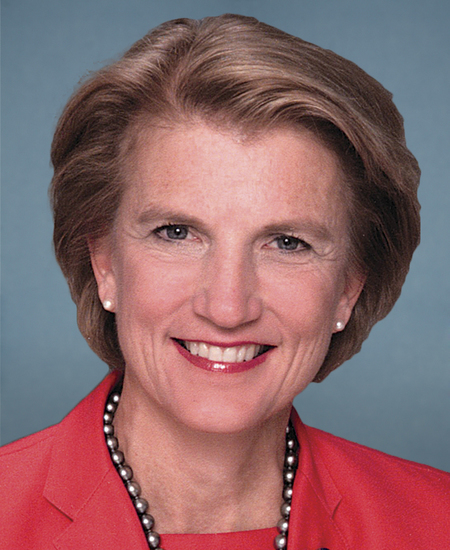
Sen. Shelley Moore Capito
Sponsored bills
Maddy summaryThis bill requires the Secretary of Defense to submit a comprehensive report on maternal health care access for military families within two years. The report will analyze staffing shortages (like obstetricians and nurses), challenges in accessing care (including wait times and travel), and continuity issues during military relocations. It will also track funding and out-of-pocket costs over a decade, identifying gaps in facilities located in "maternity care deserts." The bill directly affects military service members' spouses and dependents who rely on TRICARE or military medical facilities for prenatal, birthing, and postpartum care. Its key mechanism is mandating this detailed assessment to inform future improvements.
Maddy summaryThe SCREENS for Cancer Act of 2023 reauthorizes and expands the National Breast and Cervical Cancer Early Detection Program (NBCCEDP), which provides free screenings and care coordination to low-income, uninsured, or underinsured women. It increases annual funding from $275 million in 2024 to $500 million by 2028 and adds specific provisions to reduce racial disparities, including enhanced patient navigation, evidence-based screening strategies, and targeted outreach to underserved communities. The bill directly affects women in all 50 states, territories, and tribal organizations who face barriers to cancer screening, particularly Black women and other minority groups disproportionately impacted by pandemic-related screening declines. Key mechanisms include requiring states to ensure equitable access to services and expanding program goals to focus on prevention, detection, and reducing cancer death rates in high-risk populations.
Maddy summaryS 3702, the Credit for Caring Act of 2024, creates a tax credit for working family caregivers who provide care for a certified family member needing long-term assistance. Eligible caregivers (with over $7,500 in earned income) can claim a credit equal to 30% of qualified care expenses exceeding $2,000 annually, capped at $5,000 per year. Qualified expenses include human assistance, home modifications, respite care, counseling, lost wages for unpaid care time, and transportation - provided the care recipient (e.g., a parent or spouse) is certified by a healthcare provider as requiring long-term care for at least 180 days. The credit phases out for taxpayers with modified adjusted gross income above $75,000 (single) or $150,000 (joint returns).
Maddy summaryThis resolution supports the New Heights Bid Committee's effort to secure the 2027 FIFA Women's World Cup for a U.S.-Mexico joint bid. It asks Congress to recognize the committee's work and encourages federal agencies to help meet hosting requirements. If selected, the resolution states Congress would consider future legislation to support the event's infrastructure and economic goals. The resolution does not create new laws or directly affect specific groups, as it is a formal expression of support for the bid process.
Telemental Health Care Access Act of 2024 This bill eliminates certain restrictions relating to Medicare coverage of mental health services that are provided through telehealth. Current law allows for coverage of such services regardless of the geographic location of the originating site (i.e., the location of the beneficiary), as long as the beneficiary previously received in-person services and continues to receive in-person services at specified intervals (effective January 1, 2025). The bill eliminates these in-person requirements.
Maddy summaryS.1108, the Death Tax Repeal Act of 2023, repeals the federal estate tax and generation-skipping transfer tax for estates of people who die after the bill's enactment. It also modifies the gift tax by establishing a $10 million lifetime exemption (adjusted for inflation) and creating a new tax rate schedule for gifts. This bill directly affects high-net-worth individuals who would have paid estate or gift taxes on large transfers of wealth. The changes take effect after the bill's passage, with the exemption adjusted annually for inflation.
Maddy summarySRES 523 is a Senate resolution honoring the late Senator Herb Kohl of Wisconsin. The resolution expresses the Senate's sorrow at his death, directs the Secretary of the Senate to communicate it to the House of Representatives and send a copy to his family, and instructs the Senate to adjourn as a mark of respect. This procedural resolution does not create new laws or affect policy, but formally commemorates Kohl's service and legacy. It was introduced by a bipartisan group of Senators and passed unanimously on January 11, 2024.
Maddy summaryS 1507, the POWER Act, authorizes $20 million in federal funding for fiscal year 2023 to provide grants to state, local, territorial, and Tribal law enforcement agencies. The grants allow agencies to purchase chemical screening devices and train personnel to identify substances like fentanyl, methamphetamine, and other narcotics. Agencies must certify that at least one employee will be trained to operate the devices and interpret results, and must share devices with neighboring agencies when applicable. Recipients must submit annual reports on how funds were used to meet identified needs, such as improving substance identification speed and officer safety.
Maddy summaryS 993, the Combating Illicit Xylazine Act, makes the illicit distribution and use of xylazine illegal under federal drug laws. The bill defines xylazine broadly (including multiple chemical variants) and prohibits all human use or non-lici distribution, while allowing only veterinary and pharmaceutical uses approved under existing regulations. It requires the DEA and FDA to report to Congress within a year on xylazine's spread and impacts, with a follow-up report four years later. This directly affects drug traffickers and distributors adding xylazine to illicit drugs like fentanyl, aiming to address a public health threat linked to severe health consequences including necrosis.